The Story
Why it exists.
The beginning
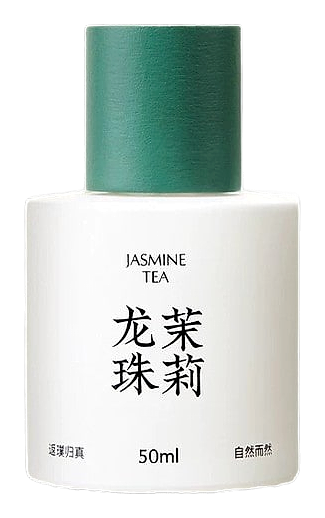
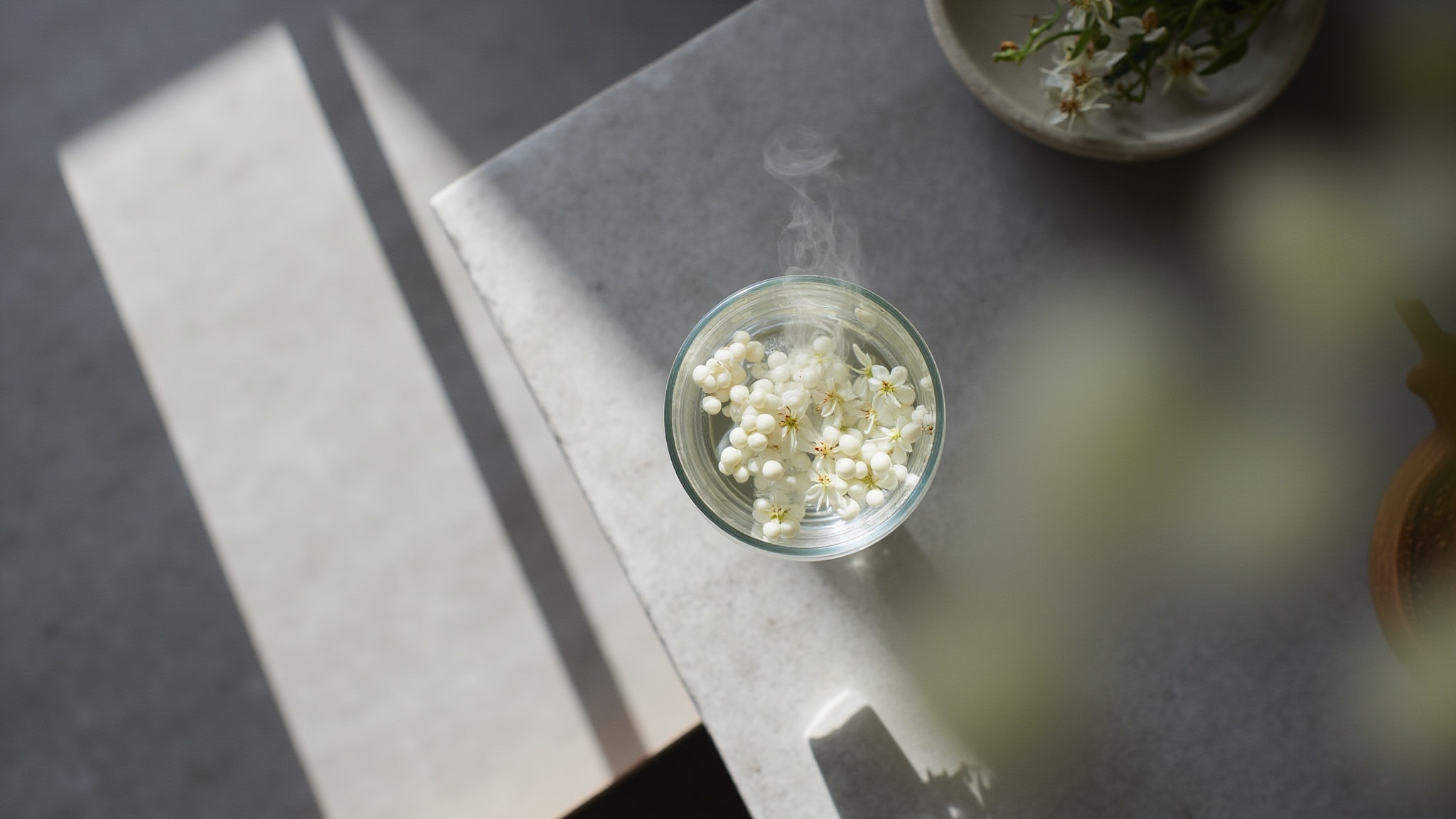
Lóngzhū Mòlì points directly to the Chinese tradition of scenting tea leaves by layering them with fresh jasmine flowers until the leaves absorb the flower's character. The name carries the cultural weight of jasmine tea, a practice tied to Chinese tea culture for generations, where the marriage of blossom and leaf becomes something greater than either ingredient alone. Black Paw released this scent in 2023 as part of their ongoing Tea Collection, a catalog where each release draws its name and inspiration directly from tea traditions rather than abstract fragrance concepts. The jasmine here is treated as a process, something that unfolds the way tea steeps: slowly, through layers, with restraint.
What makes this composition worth noticing is the choice to anchor jasmine in green tea rather than the usual indolic blowout. Bergamot and green tea lead with a clean, almost vegetal clarity that you rarely find in jasmine-driven fragrances, a brightness that keeps the scent from collapsing into sweetness. The heart stacks honeysuckle, jasmine, and orange blossom, three white florals that share a sugary softness without competing for volume or shouting over one another.
The evolution
The opening belongs to green tea and bergamot, bright and almost unsweetened, like the moment hot water first hits leaves and the air fills with something vegetal and alive. That initial phase is brisk and clean, the kind of clarity that cuts through morning stillness, with the bergamot lifting the green tea into something almost effervescent before the florals begin to surface. The white florals arrive gradually: honeysuckle first, bringing its sweet green-water character, then jasmine, soft and fresh, then orange blossom with its faint citrus bitterness. The jasmine here is the clean, fresh-petal version rather than the heavy indolic kind, the kind that smells like morning air after watering a garden, dewy and alive rather than dense and narcotic.
Cultural impact
Jasmine Tea 龙珠茉莉 draws on the practice of jasmine-scented tea, where fresh blossoms are layered with green tea leaves until the tea absorbs the flower's fragrance. This is a craft with deep roots in Chinese tea culture, a process that transforms both ingredients through patience and repetition, the leaves taking on the scent of the flower and the flower yielding its essence to the leaf. The composition is restrained, deliberately so, in a category where jasmine often means intensity.