The Story
Why it exists.
The beginning
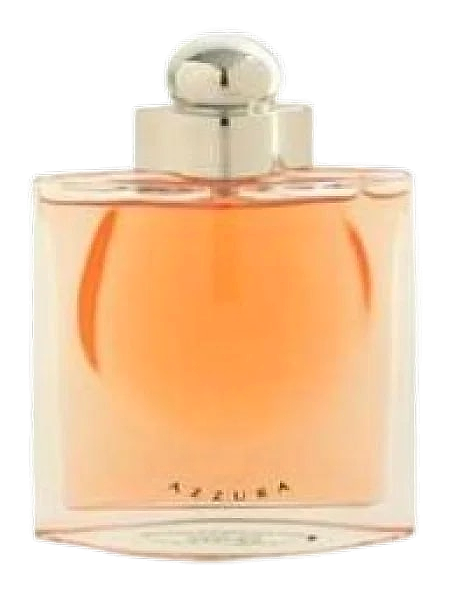
Azzura arrived in 1999, the work of perfumer Laurent Bruyère. It was composed with a brief that the juice makes obvious: uncomplicated pleasure, a daytime composition that feels like a sun-soaked afternoon rendered in scent. Bruyère built it around a generous fruit-floral opening, the kind designed to be smelled before it was analyzed. The top spills out in bright, juicy accords, likely a tumble of berry and tropical notes cut with a sparkle of citrus, the kind of opening that fills a room the moment you cross a threshold. As it settles, the florals rise to take the lead.
What makes Azzura worth noticing is the way its opening reads less like a traditional fruity floral and more like a sunlit orchard in bloom. Cyclamen and forget-me-not bring a green, almost watery quality that lifts the blackcurrant and bergamot above the usual sugary territory. The heart pulls back on density, choosing a few well-placed florals over a heavy bouquet. And the base is where it gets quietly interesting: vanilla softened by sycamore, with yuzu adding an unexpected citrus flicker that keeps the drydown from going too dessert-like. It is a composition that knows when to stop adding things.
The evolution
The first fifteen minutes are where Azzura does its best work. Blackcurrant, bergamot, and mandarin orange hit with a bright, juicy clarity, lifted by the cool green of cyclamen and the dewy softness of lily of the valley. There is a transparency to it that feels almost like drinking cold water on a warm day. As the opening recedes, around the thirty-minute mark, the heart emerges with apricot and rose taking over the sweetness, while jasmine adds just enough indolic warmth to keep things from feeling thin. The fruit gets rounder, softer. By the two-hour mark, the composition has settled into its drydown: vanilla is the dominant voice, creamy rather than dense, propped up by the slightly nutty, woody quality of sycamore. That yuzu note in the base does something subtle but effective, a late citrus flicker that keeps the vanilla from going too heavy.
Cultural impact
Azzura occupies a particular place in late-nineties and early-aughts perfumery, the era of the bright, wearable fruity floral that could move from a daytime setting to an evening one without missing a beat. It belongs to a moment when women's fragrance was at its most cheerful, when the brief for many houses seemed to be charm, not statement, and Azzura leans fully into that brief. The opening is all fruit and a citrus glint, juicy and unself-conscious, the kind of accord that smells like the first cold drink of a warm afternoon.