Sycamore
Sycamore wood brings a rare, understated elegance to fragrance compositions. Its subtle sweetness and clean timber character offer perfumers a distinctive alternative to bolder woody notes, lending quiet sophistication when it appears.
Character
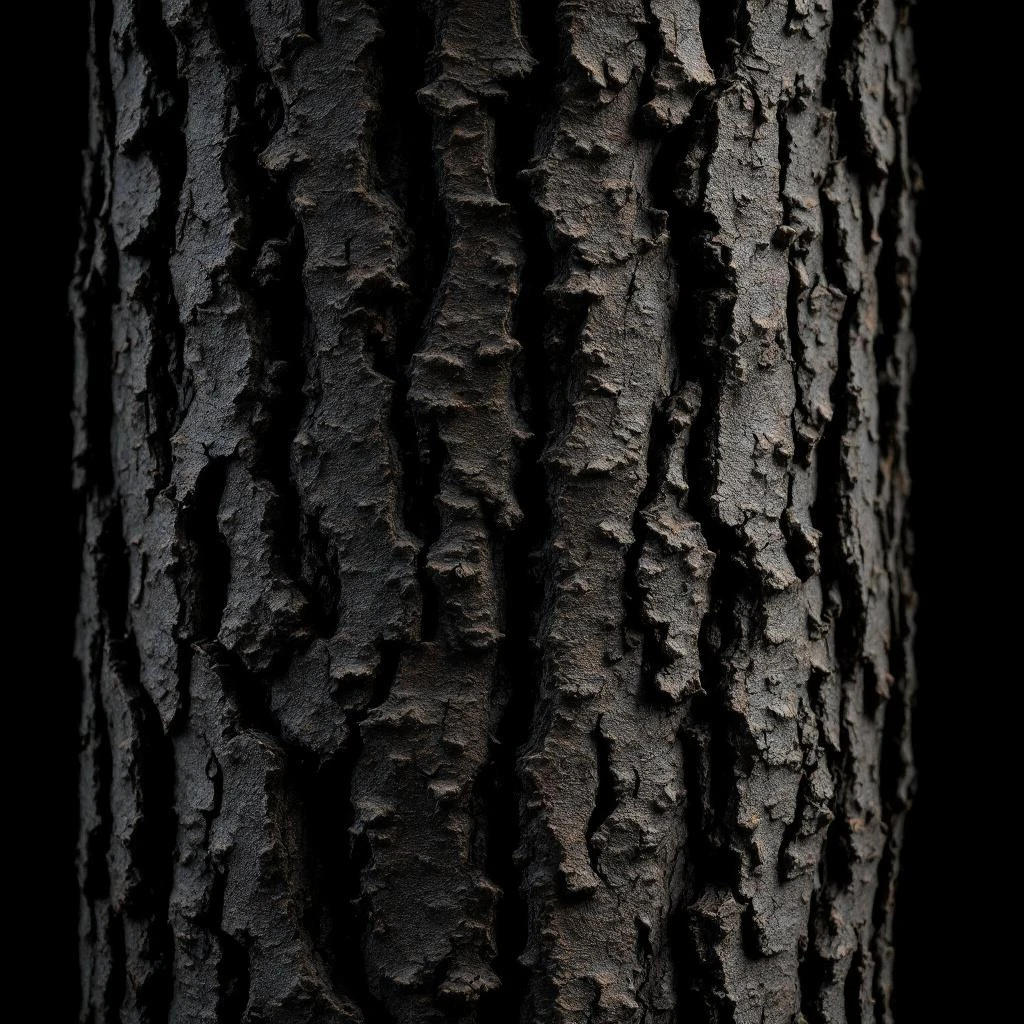
How it smells
Quiet timber, subtle sweetness.
Sycamore belongs to the Platanus family, the same genus as London's iconic plane trees lining many European boulevards.




Origin
United Kingdom
The sycamore tree held significance in ancient Mediterranean cultures long before its use in perfumery. Egyptian and Greek societies utilized the tree's broad canopy for shade and ritual purposes.
Platanus trees became woven into urban landscapes across Europe, particularly in Britain where they replaced elms lost to disease. While perfumers favored bolder materials like sandalwood and cedar for most compositions, sycamore found its place among specialty wood notes appreciated for restraint rather than power.
The ingredient represents perfumery's ongoing exploration of unusual botanical sources, extending beyond conventional woody materials into subtler territory. Its presence in modern fragrances often signals a composer's intention to explore quieter, more nuanced aromatic narratives.
Wears it best
Fragrances featuring Sycamore
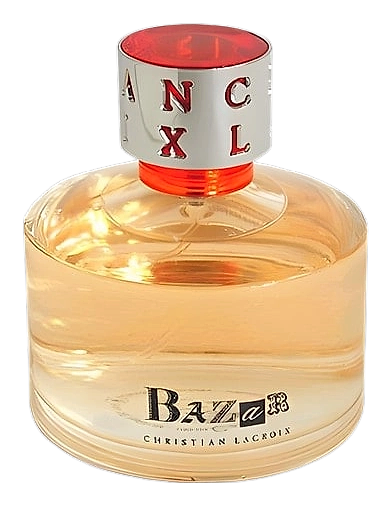
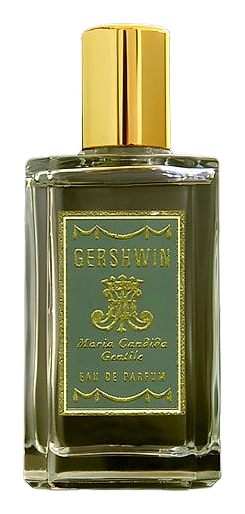
Brands
Brands known for Sycamore
Good to know
Questions, answered
The essentials on Sycamore in perfumery: how it smells, where it comes from, and how it behaves on skin.
What does sycamore smell like in perfume?
Sycamore wood offers a subtle, clean timber scent with gentle sweetness. Unlike assertive cedars or creamy sandalwood, it presents understated woodiness with faint maple and vanilla undertones.
Is sycamore a common perfumery ingredient?
No, sycamore remains a niche ingredient. Most woody fragrances rely on sandalwood, cedar, or vetiver. Sycamore appears selectively in compositions seeking quieter, more refined wood notes.
How does sycamore compare to other wood notes?
Sycamore sits softer than cedar's pencil-shaving intensity or sandalwood's creamy richness. It provides understated warmth without dominating a composition, suited for subtle drydown work.
What extraction method preserves sycamore's character?
Supercritical CO₂ extraction best captures sycamore's delicate profile. This method produces materials closer to the living plant's scent than traditional steam distillation.
Is natural sycamore extract widely available?
Limited supply exists. Sycamore lacks the commercial cultivation infrastructure of sandalwood or vetiver, making natural extracts rare and specialty-priced.
Which fragrance families typically feature sycamore?
Sycamore appears in refined woody and aromatic compositions. Niche houses use it most often, pairing it with vetivers, grasses, and clean musks for sophisticated effect.
Does sycamore have any historical perfumery tradition?
Sycamore lacks the centuries-old perfumery heritage of frankincense or rose. Its use represents contemporary perfumery's expansion into lesser-explored botanical territory.
Can synthetic sycamore alternatives replace natural extract?
Specialty aroma chemicals can approximate sycamore's sweet wood character. However, natural extracts offer complexity that replicates remain imperfect at capturing.