Forget-me-not
Forget-me-not (Myosotis) appears in perfumery as a conceptual or named ingredient rather than a source of actual fragrance material. Myosotis flowers produce negligible volatile compounds, making commercial extraction impossible. Despite this, the flower's rich symbolism of memory and devotion has inspired named fragrances like Carthusia's and Victorinox's versions, where the concept carries more weight than any material contribution.

Character
How it smells
A flower of memory and loss that perfumers honor without material form
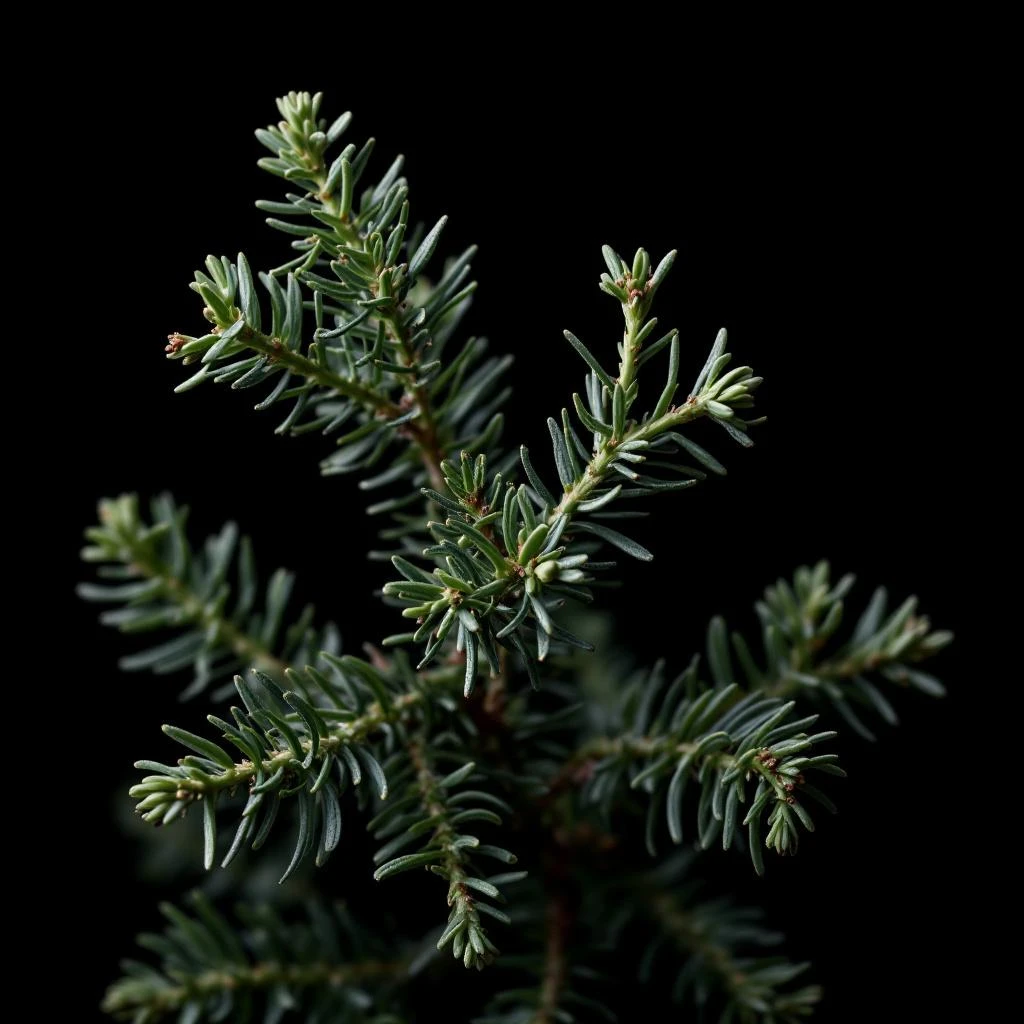
The name Myosotis derives from Greek for "mouse ear," describing the flower petal shape. Yet this botanical oddity cannot be extracted at all, making it one of perfumery's most compelling conceptual ingredients.








Origin
Pan-temperate cultivation
The forget-me-not carries one of Western culture's most enduring floral legends. Medieval Germanic folklore tells of a knight gathering the tiny blue flowers for his beloved beside a stream, when the weight of his armor pulled him into the water. His final words as he drowned were "forget me not," transforming the bloom into an emblem of remembrance that persists across continents and centuries.
In Victorian flower language, the forget-me-not communicated loyalty, enduring love, and the ache of separation with particular eloquence. Young women wore the flowers or pressed them into letters to signal constancy to distant sweethearts. The plant's natural habitat across European meadows and woodland clearings made it a familiar presence during the 15th and 16th centuries, when the language of flowers reached its peak cultural importance. By the early 20th century, Wyoming had adopted the alpine species Myosotis alpestris as its state flower, honoring the bloom's representation of fidelity and undying memory.
The flower's symbolic journey reached perfumery through this accumulated emotional capital rather than through any aromatic merit. When perfume houses like Carthusia chose to name compositions after the forget-me-not, they drew upon the plant's capacity to evoke remembrance, loss, and tender constancy. This represents a fascinating case where cultural history trumps material reality, demonstrating that perfumery can honor even those ingredients that refuse to yield their essence to the alembic.
Wears it best
Fragrances featuring Forget-me-not


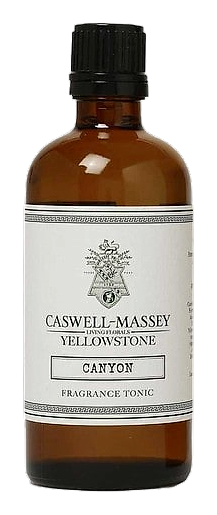
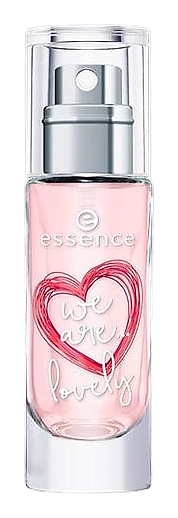
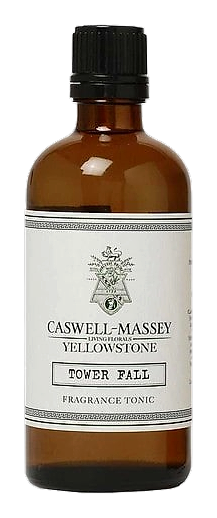
Brands
Brands known for Forget-me-not
Good to know
Questions, answered
The essentials on Forget-me-not in perfumery: how it smells, where it comes from, and how it behaves on skin.
What does Forget-me-not smell like in perfume?
Forget-me-not cannot be extracted, so it contributes no defined aroma to perfume compositions. When perfumers reference it conceptually, they suggest a light, fleeting floral character with subtle green and aquatic nuances. Carthusia's interpretation leans toward delicate, airy florals that honor the flower's ethereal presence rather than replicate any actual scent.
Why is Forget-me-not used in perfumery?
Forget-me-not serves as a conceptual ingredient driven by the flower's powerful symbolism of memory, loyalty, and enduring love. Perfumers use the name or concept to imbue compositions with emotional resonance rather than aromatic contribution. The flower's 15th-century Victorian language of flowers legacy continues to influence fragrance storytelling today.
Is Forget-me-not in perfume natural or synthetic?
No natural forget-me-not material exists in perfumery. Myosotis species produce negligible volatile compounds, rendering extraction impossible by any known method. Perfumes bearing the forget-me-not name rely on synthetic aromatics, carefully constructed floral accords, or purely conceptual associations to honor the flower.
What famous perfumes contain Forget-me-not?
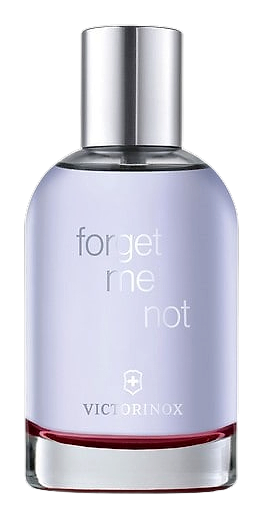
Carthusia's "Forget Me Not" (Capri, Italy) represents the most prominent fragrance bearing this name, capturing the flower's symbolic essence through delicate botanical construction. Victorinox also released an Eau de Toilette called "Forget Me Not," marketed as natural, vegan, and Swiss-made. Both fragrances engage the concept rather than any extractable material.
Is Forget-me-not a top note, heart note, or base note?
Forget-me-not occupies no fixed position in fragrance architecture since it provides no actual aromatic material. When referenced conceptually, its ephemeral quality and association with fleeting memory often suggest top notes, where fleeting impressions make their initial impact. The absence of material presence means traditional note placement does not apply.
What notes pair well with Forget-me-not in perfume?
Perfumers evoking forget-me-not typically combine delicate florals like violet and mimosa with fresh aquatic or ozonic notes and subtle green nuances. Light musks provide soft texture without overwhelming. The overall effect suggests dewy spring meadows, early morning walks, and the gentle persistence of memory itself.
How is Forget-me-not extracted?
Forget-me-not cannot be extracted by any commercial or artisan method. The Myosotis genus contains approximately 100 species distributed across temperate zones worldwide, yet laboratory analysis consistently shows insufficient volatile compounds for steam distillation, solvent extraction, CO2 extraction, or enfleurage. Perfumery honors the flower through concept alone.
Is Forget-me-not used in men's or women's fragrances?
Forget-me-not's symbolism of loyalty and memory transcends gender categories, making it suitable for unisex compositions. Victorinox's "Forget Me Not" EDT exemplifies this approach, marketed without gender constraints. The flower's emotional resonance rather than any masculine or feminine scent profile guides its application across fragrance categories.