The Story
Why it exists.
The beginning
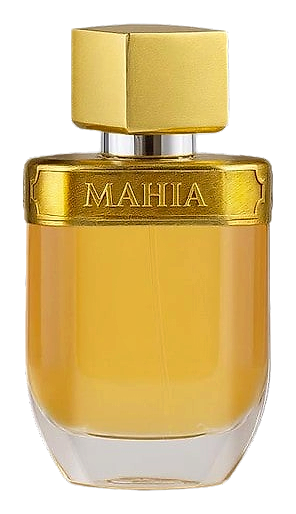
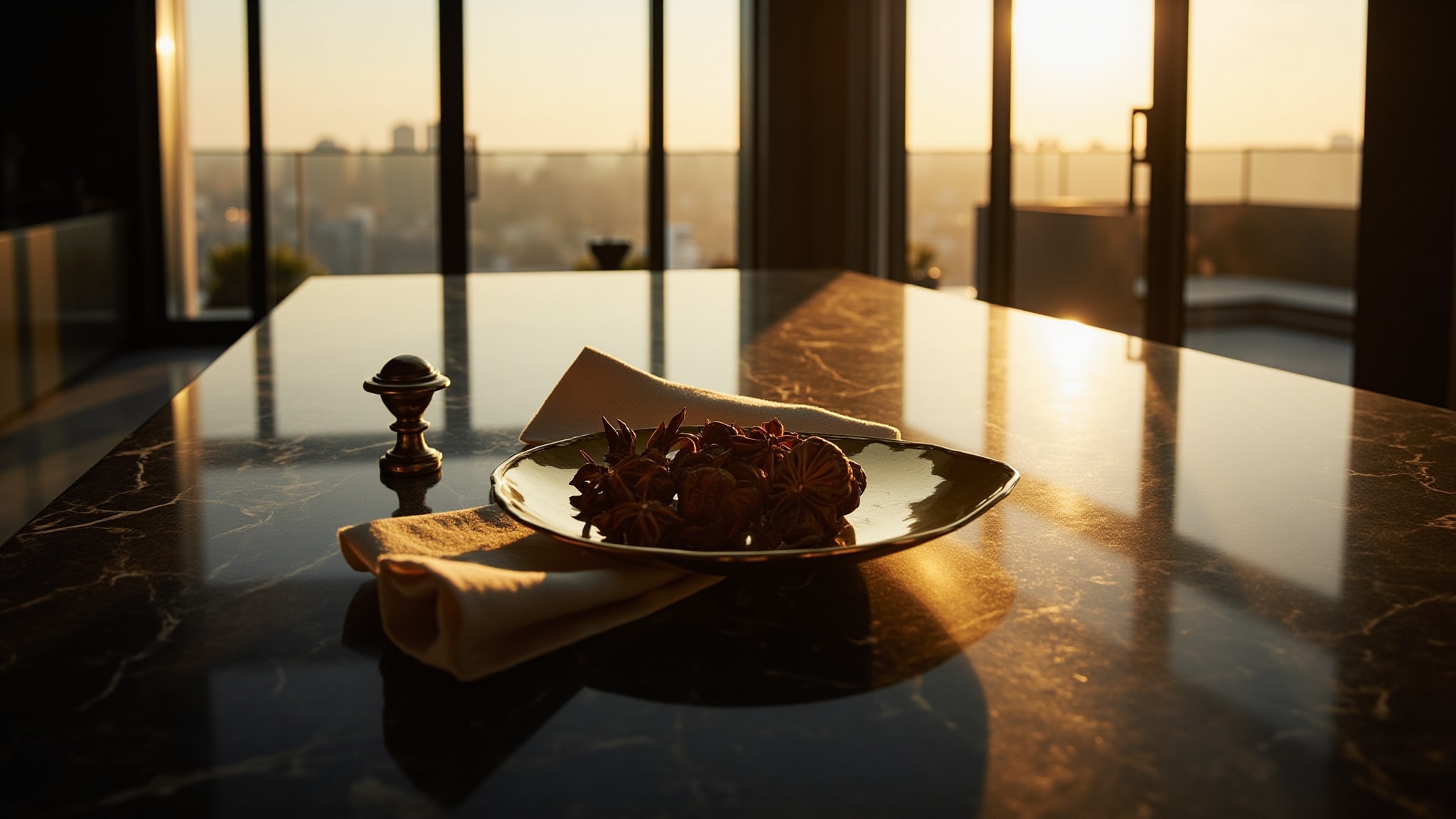
Mahia comes from Giovanni Festa, the perfumer behind Aulentissima, and it wears its inspiration on its sleeve. The fragrance captures a golden afternoon in Senegal, where open-air markets unfold under low sun, voices carry between stalls, and the earth itself burns red. Festa translates that sensory memory into scent. The composition opens with star anise, bergamot, and cinnamon, layering warmth onto brightness, before descending into a smoky heart of incense, lavender, patchouli, and cedar. The base anchors everything with Madagascar vanilla, tonka bean, ambrette, myrrh, and gaharu buaya. It's a travelogue written in raw materials, an Italian nose chasing West African light.
The interesting move here is the spice-to-smoke arc. Star anise and cinnamon give the opening a licorice-tinged heat that reads almost gourmand, but the heart pulls hard toward incense and patchouli, pulling the composition into resinous, meditative territory. The lavender keeps it from drifting into pure Middle Eastern territory. Then the base: Madagascar vanilla and tonka bring sweetness, but the myrrh and gaharu buaya (from Aetoxylon sympetalum) ground it in something earthier and older.
The evolution
The first thirty minutes are loud. Star anise and cinnamon announce themselves with a sweet, almost candy-like warmth, bergamot brightening the edges just enough to keep it from cloying. Then something shifts. The incense arrives, followed by lavender and patchouli, and the fragrance suddenly feels like it belongs in a different room, darker, smokier, more contemplative. Cedar adds a dry backbone that keeps the composition from collapsing into sweetness. By hour three or four, you're in the base: vanilla and tonka soften everything, ambrette adds a clean, musky warmth, and myrrh brings a quiet incense whisper that lingers like a memory of the smoke that passed through hours ago. The gaharu buaya sits underneath, barely perceptible but essential, a woody-animalic hum that gives the drydown depth.
Cultural impact
Mahia leans into a territory where spice, smoke, and sweetness meet without any single element dominating. It appeals to wearers who appreciate a perfumer willing to use unusual materials like gaharu buaya alongside more familiar vanilla and tonka, and who want depth without aggression. The composition doesn't announce itself from across the room, but it rewards close attention, revealing more with each hour of wear. It's a fragrance for someone curious about the edges of niche perfumery, where ingredients from across the globe end up in dialogue inside a single bottle.