
The Story
Why it exists.
The beginning
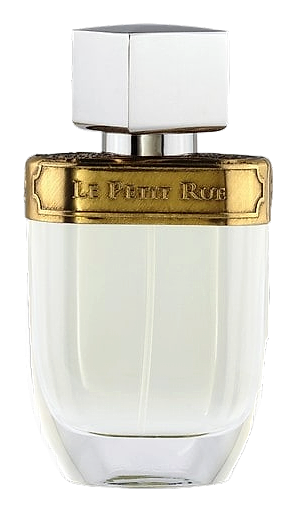
Le Petit Rue arrived in 2017 from Aulentissima, an Italian house that treats scent less like a luxury product and more like a notebook of small experiments. The name itself, French for "the little street," suggests something overheard rather than announced, a glimpse down a side passage rather than a boulevard performance. Perfumer Giovanni Festa built the composition around that idea: a floral that doesn't insist on itself. Where many Italian florals lean into opulence, this one pulls back. The official description calls it "delicato, elegante e luminoso," and the fragrance earns each of those words without overplaying any of them. It's a study in restraint from a house that tends to think in bigger, stranger concepts.
The structure is what makes Le Petit Rue worth noticing. Most white florals lead with a single loud bloom, tuberose or gardenia or jasmine, and let everything else serve as supporting cast. Festa flipped the arrangement. Bergamot, geranium, lily of the valley, and rose share the opening equally, creating a bright, almost sparkling prelude that gives the heavier florals room to breathe when they arrive. The heart is jasmine and gardenia, but in measured doses, creamy without becoming overwhelming. And the base: a single note of coriander, doing the work that musk or sandalwood usually handle in this genre.
The evolution
The first 15 minutes feel almost citrus-forward, bergamot and geranium giving it a clean, cologne-like lift that's unexpected for something labeled as a women's floral. Rose and lily of the valley soften that sharpness quickly, adding a soapy, green sweetness that settles into the skin rather than projecting outward. By the 30-minute mark, the jasmine and gardenia have fully arrived, and the scent shifts into its most recognizable phase: creamy, indolic, warm. The white florals dominate here, and for a while it reads like a classic Mediterranean floral. Then something unexpected happens in the drydown. The coriander emerges, clean and slightly peppery, almost like crushed seed rather than leaf, and it cuts through the remaining sweetness. The florals recede but don't disappear. What lingers is a soft, herbal warmth, closer to skin than to fabric, and surprisingly long-lasting for a composition this understated. On clothing the next day, traces of the rose and coriander reappear, faint but distinct.
Cultural impact
Le Petit Rue reflects the cultural role of niche fragrance as a form of personal storytelling and sensory memory. Its Italian identity is expressed through a restrained floral composition shaped by bergamot, geranium, lily of the valley, rose, jasmine, gardenia, and coriander. The name suggests a small, intimate street rather than a grand statement, aligning with contemporary tastes for understated, artistic scents. The profile also connects to the European tradition of botanical perfumery while presenting it in a modern, wearable format. Its close projection and moderate longevity encourage private, memorable encounters rather than conspicuous display.
The House
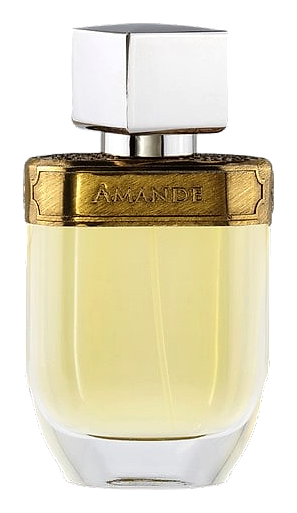
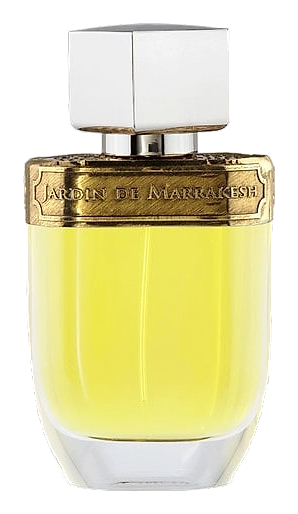
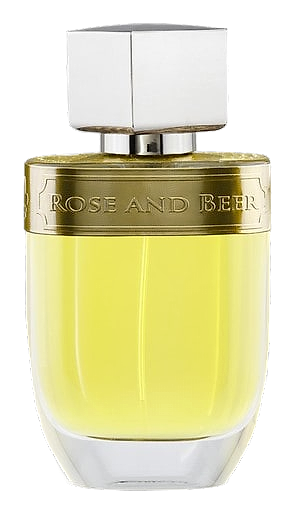
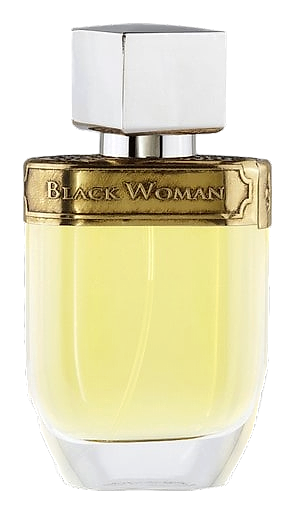
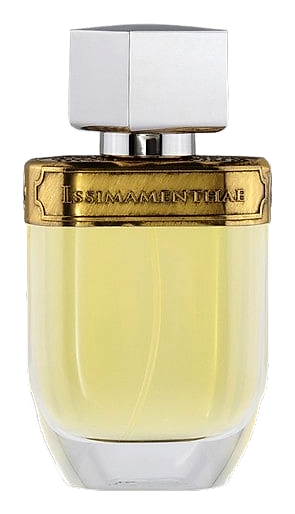
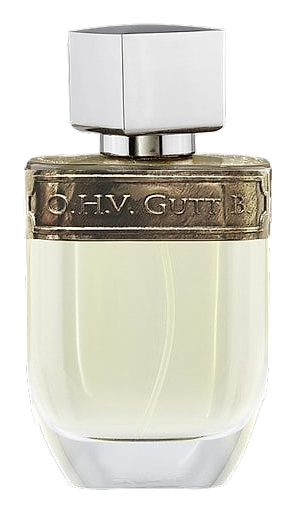
AulentissimaAulentissima is an independent fragrance house that emerged in the late 2010s, offering a catalogue that reads like a laboratory notebook of scent experiments. Its releases – Issimamenthae (2017), Rose and Beer (2020), O.H.V. Gutt B. (2022), Zacamutra (2020), Il Velo di Maia (2020), Spóros (2020), Jardin de Marrakesh (2017), Amande (2017), Black Woman (2017) and Men in Roses (2017) – span a range of aromatic concepts from botanical abstractions to urban narratives. The brand positions itself as a conduit for curious noses, inviting collectors to explore compositions that often juxtapose unexpected ingredients. While the label does not publish a traditional corporate history, its body of work suggests a commitment to pushing the boundaries of modern perfumery without relying on overt marketing slogans.
The Creator
Giovanni FestaIn the lab Festa favors a linear construction: a clear opening, a heart that expands, and a base that settles like stone. He often begins with a single botanical note—often a citrus or a rare rose—and builds layers of supporting accords that echo the primary scent without over…