The Story
Why it exists.
The beginning
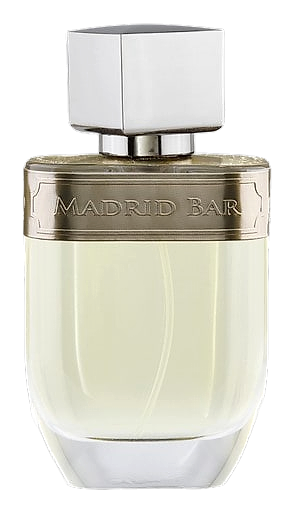
Madrid Bar is composed by Giovanni Festa, with ginger placed at the front, galbanum at the center, and musk and amber underneath. That arrangement gives the fragrance its basic structure: a note pyramid built around contrast rather than an elaborate historical narrative. Ginger frames the composition, galbanum forms its central accent, and the combination of musk and amber defines the base. The listed ingredients are few enough to remain clear, yet their roles create enough variety for exploration. Madrid Bar is most engaging as a study in how a compact set of materials can be arranged with a sense of proportion and deliberate emphasis.
The interesting part is the relationship between the top, heart, and base notes. Ginger establishes the opening, galbanum adds a distinct center, and amber and musk provide the underlying structure. Rather than describing a single uncomplicated impression, the composition gives you separate points of attention that remain connected through its arrangement. The contrast between the bright top note, the green character commonly associated with galbanum, and the soft, warm materials underneath makes the fragrance inviting to examine more closely.
The evolution
Madrid Bar is built around a clear sequence of listed notes: ginger at the top, galbanum at the heart, and musk and amber in the base. That progression provides a useful way to understand the composition without assigning it a specific character or claiming a particular wearing pattern. Ginger supplies the opening emphasis, while galbanum introduces a contrasting aromatic-green element. Beneath both, musk and amber establish the foundation. The structure is concise and easy to follow, but the different note families give it more than one point of interest. Exploring Madrid Bar becomes a matter of looking at how these materials are placed and how each contributes to the overall design.
Cultural impact
Madrid Bar carries a place name in its title, but the available material doesn't explain what that name is intended to represent. Its identity comes through the fragrance itself, particularly the combination of ginger, galbanum, musk, and amber. The note pyramid places a bright ingredient at the top, a green aromatic material in the center, and softer base notes underneath. That arrangement gives the composition a distinctive structure without requiring a larger cultural story.
The House
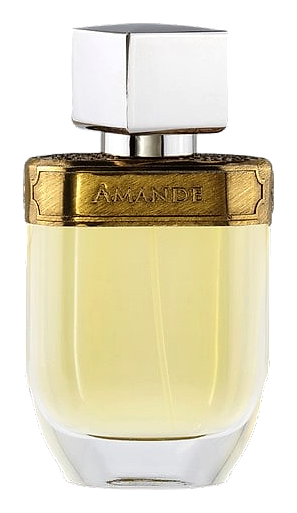
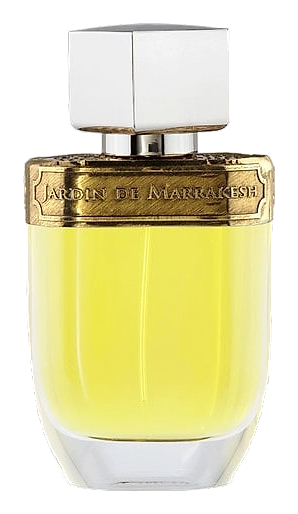
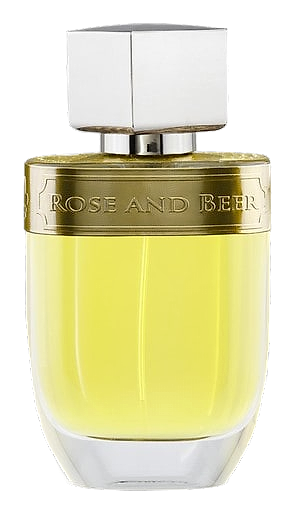
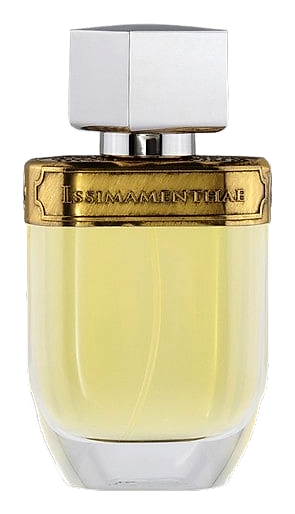
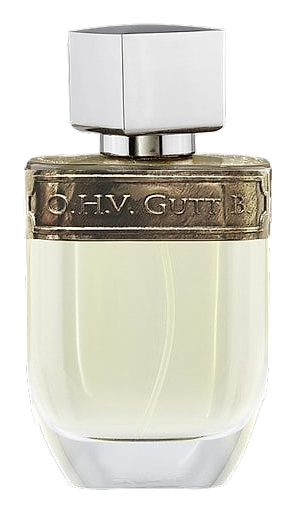
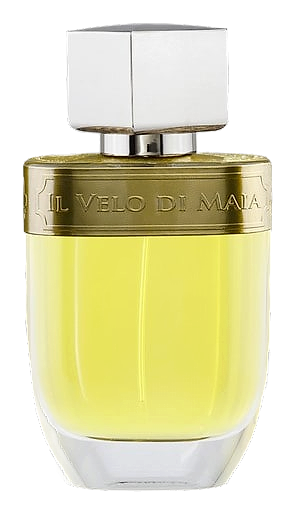
AulentissimaAulentissima is an independent fragrance house that emerged in the late 2010s, offering a catalogue that reads like a laboratory notebook of scent experiments. Its releases – Issimamenthae (2017), Rose and Beer (2020), O.H.V. Gutt B. (2022), Zacamutra (2020), Il Velo di Maia (2020), Spóros (2020), Jardin de Marrakesh (2017), Amande (2017), Black Woman (2017) and Men in Roses (2017) – span a range of aromatic concepts from botanical abstractions to urban narratives. The brand positions itself as a conduit for curious noses, inviting collectors to explore compositions that often juxtapose unexpected ingredients. While the label does not publish a traditional corporate history, its body of work suggests a commitment to pushing the boundaries of modern perfumery without relying on overt marketing slogans.
The Creator
Giovanni FestaIn the lab Festa favors a linear construction: a clear opening, a heart that expands, and a base that settles like stone. He often begins with a single botanical note—often a citrus or a rare rose—and builds layers of supporting accords that echo the primary scent without over…