
The Story
Why it exists.
The beginning
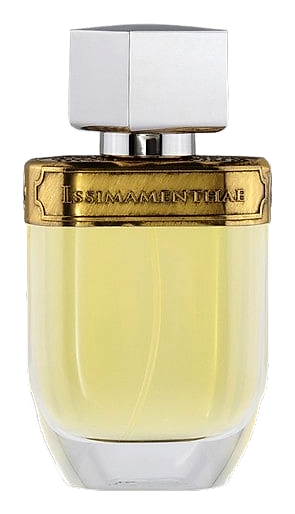
Issimamenthae presents a woody aromatic profile built around the contrast of fresh herbs and grounded forest materials. Water Mint and Basil establish a bright, green opening, their cool herbal character giving the composition its first clear sense of air and leaves. Lavender softens that brightness with a floral, gently sweet center, while Tonka Bean rounds the middle and adds a smooth, warm depth. As the fragrance develops, Oakmoss brings an earthy accent and Pine Tree deepens the woody character. The result is a study in aromatic contrast: fresh and green at first, then softer and rounder, and finally grounded in a dry, forest-like base that settles close to the composition’s natural weight.
The interesting part is the handoff between materials that seem to belong to different rooms. Water Mint and Basil bring a crisp, almost windswept feeling. Lavender gives the composition a familiar aromatic center, while Tonka Bean introduces a soft sweetness beneath that brightness. Then Oakmoss and Pine Tree pull everything toward bark, needles, and forest floor. The result is not a simple fresh scent, but a layered woody aromatic where cool herbs and earthy woods keep changing the temperature.
The evolution
At first, Water Mint and Basil make a clean, green entrance, like air moving through leaves. Their cool, crisp character gives the opening a lively herbal clarity. The brightness soon settles into Lavender and Tonka Bean, where the fragrance becomes softer, rounder, and faintly sweet without losing its herbal edge. Lavender brings a smooth floral transition, while Tonka Bean lends warmth and a rounder texture beneath it. Later, Oakmoss and Pine Tree take over. The drydown feels less like a bright meadow and more like shade beneath trees, with a dry, earthy, woody weight that stays close to skin. Over time, Issimamenthae moves from fresh snap to quiet forest floor, leaving a composed aromatic trace rather than a dramatic finale.
Cultural impact
Issimamenthae can be understood through its scent profile and the way its listed notes interact. Water Mint and Basil form a fresh, green beginning, followed by the softer floral character of Lavender and the rounded sweetness of Tonka Bean. Oakmoss and Pine Tree then give the composition an earthy, woody finish. Its appeal lies in this movement between bright herbs and shaded forest materials, a contrast that invites close attention to the details of the fragrance as it wears from opening into drydown.
The House
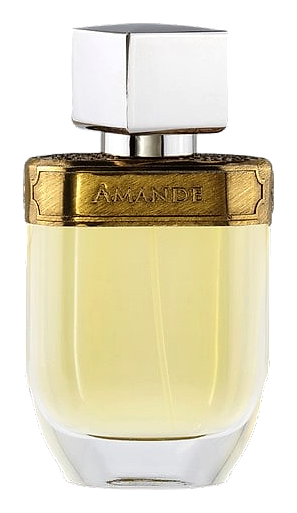
AulentissimaAulentissima is an independent fragrance house that emerged in the late 2010s, offering a catalogue that reads like a laboratory notebook of scent experiments. Its releases – Issimamenthae (2017), Rose and Beer (2020), O.H.V. Gutt B. (2022), Zacamutra (2020), Il Velo di Maia (2020), Spóros (2020), Jardin de Marrakesh (2017), Amande (2017), Black Woman (2017) and Men in Roses (2017) – span a range of aromatic concepts from botanical abstractions to urban narratives. The brand positions itself as a conduit for curious noses, inviting collectors to explore compositions that often juxtapose unexpected ingredients. While the label does not publish a traditional corporate history, its body of work suggests a commitment to pushing the boundaries of modern perfumery without relying on overt marketing slogans.
The Creator
Giovanni FestaIn the lab Festa favors a linear construction: a clear opening, a heart that expands, and a base that settles like stone. He often begins with a single botanical note—often a citrus or a rare rose—and builds layers of supporting accords that echo the primary scent without over…