




The Heritage
The Story of Aulentissima
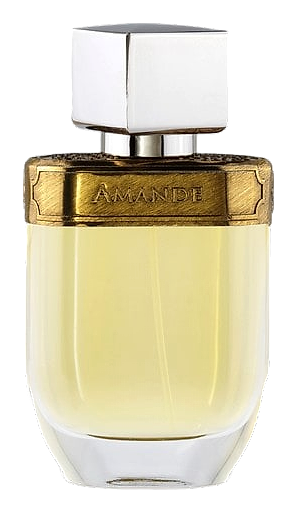
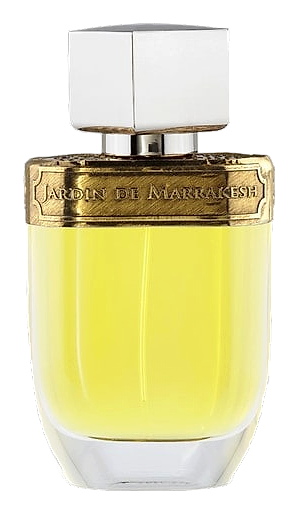
Aulentissima is an independent fragrance house that emerged in the late 2010s, offering a catalogue that reads like a laboratory notebook of scent experiments. Its releases – Issimamenthae (2017), Rose and Beer (2020), O.H.V. Gutt B. (2022), Zacamutra (2020), Il Velo di Maia (2020), Spóros (2020), Jardin de Marrakesh (2017), Amande (2017), Black Woman (2017) and Men in Roses (2017) – span a range of aromatic concepts from botanical abstractions to urban narratives. The brand positions itself as a conduit for curious noses, inviting collectors to explore compositions that often juxtapose unexpected ingredients. While the label does not publish a traditional corporate history, its body of work suggests a commitment to pushing the boundaries of modern perfumery without relying on overt marketing slogans.
Heritage
The story of Aulentissima unfolds against the backdrop of Italy’s centuries‑old perfume tradition, a lineage that can be traced to the Dominican apothecary founded in Florence in 1221. That historic institution, Officina Profumo‑Farmaceutica di Santa Maria Novella, preserved ancient recipes while gradually embracing contemporary creators. In the 2010s a new generation of perfumers began to draw inspiration from this heritage, establishing boutique houses that favored artistic freedom over mass production. Aulentissima appears to have been founded in the mid‑2010s, a period when social media platforms enabled small brands to reach niche audiences directly. The first documented releases – Issimamenthae and Jardin de Marrakesh – arrived in 2017, signaling a rapid entry into the market. Over the next five years the house expanded its portfolio, adding Rose and Beer, Zacamutra, Il Velo di Maia, Spóros and O.H.V. Gutt B., each bearing a distinct narrative thread. The brand’s evolution mirrors a broader shift in the perfume world, where independent creators leverage artisanal techniques and limited‑run drops to cultivate dedicated followings. By 2022, Aulentissima had established a modest but recognizable presence among collectors who value originality and the willingness to experiment with unconventional accords. The house continues to operate without a publicly disclosed corporate structure, relying instead on direct‑to‑consumer channels and collaborations with niche retailers. Its trajectory illustrates how modern perfume entrepreneurship can thrive by honoring historic craftsmanship while embracing contemporary storytelling.
Craftsmanship
Production at Aulentissima follows a hands‑on approach typical of small‑scale perfume ateliers. Formulations are reportedly created in a modest studio where the founder or lead perfumer experiments with raw ingredients before committing to a final blend. Ingredients are sourced from a mix of European suppliers and specialty farms, with a particular focus on high‑quality essential oils, absolutes and synthetics that meet the brand’s olfactory standards. For example, the mint note in Issimamenthae is said to derive from a French spearmint distillation, while the rose component in Rose and Beer comes from Bulgarian oil harvested in the early morning to preserve its freshness. The brand avoids mass‑production techniques, opting instead for small‑batch mixing in stainless‑steel vessels, which allows precise control over temperature and timing. After blending, the mixtures rest for a period of maturation, during which the perfume evolves and stabilises. Quality checks include thin‑layer chromatography to verify the integrity of each component and sensory evaluation by a panel of trusted noses. Bottles are filled manually, and each batch is sealed with a simple, recyclable cap that reflects the house’s understated aesthetic. The limited‑run nature of each release means that inventory is often exhausted quickly, reinforcing the notion of exclusivity through scarcity rather than through price positioning. Overall, Aulentissima’s craftsmanship balances artisanal dedication with a pragmatic use of modern lab equipment, ensuring that each scent maintains consistency while retaining the experimental spirit that defines the brand.
Design Language
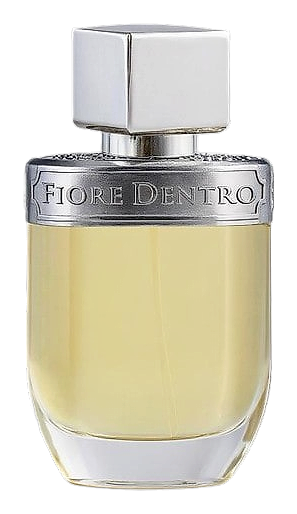
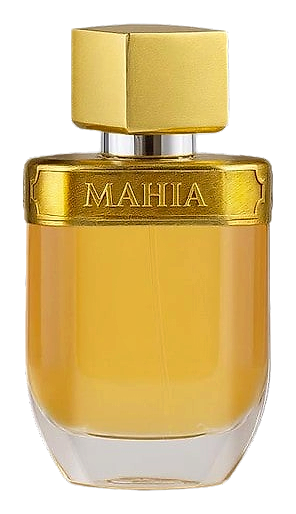
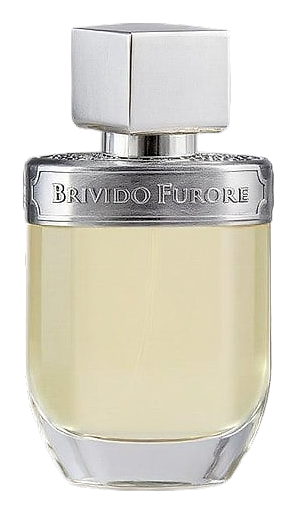
Visually, Aulentissima favors a minimalist language that lets the fragrance narrative take centre stage. Bottles are typically clear glass with thin, matte black or brushed‑metal caps, creating a stark contrast that feels both contemporary and timeless. Labels are printed in a clean sans‑serif typeface, often limited to the brand name, fragrance title and a brief scent description, avoiding ornamental flourishes. This restraint mirrors the brand’s emphasis on substance over spectacle. The packaging for limited editions sometimes incorporates textured paper inserts that provide a tactile cue related to the scent’s theme – for instance, a sand‑colored card for Jardin de Marrakesh evokes the desert landscape referenced in the perfume’s name. Marketing imagery tends to feature muted colour palettes and abstract compositions rather than overt product shots, reinforcing the idea that the fragrance is an invitation to imagination. Social media posts frequently showcase close‑up details of the bottle, the raw materials or the studio workspace, offering a behind‑the‑scenes glimpse that aligns with the brand’s transparent ethos. Overall, the visual identity communicates a quiet confidence, allowing collectors to focus on the olfactory experience rather than being distracted by flamboyant branding.
Philosophy
Aulentissima’s creative outlook centers on the idea that scent can act as a narrative device, translating personal memories and cultural moments into olfactory form. The brand’s statements, as gathered from interview snippets and product descriptions, emphasize curiosity, transparency and a refusal to conform to genre expectations. Each fragrance is presented as a chapter in an ongoing dialogue between the creator and the wearer, encouraging the latter to interpret the scent on their own terms. Sustainability is mentioned in passing, with the house noting a preference for responsibly sourced raw materials and minimal packaging waste. Rather than positioning itself through grandiose claims, Aulentissima lets the composition speak for itself, allowing the complexity of notes such as mint‑laden Issimamenthae or the floral‑spicy contrast of Black Woman to generate conversation. The brand also values community feedback, often sharing behind‑the‑scenes glimpses of formulation trials on social platforms. This openness reflects a broader movement among indie houses that view the perfume community as collaborators rather than passive consumers. In practice, the philosophy translates into a catalog that resists categorisation, blending classic structures with avant‑garde twists, and inviting collectors to view each bottle as a laboratory result rather than a finished product.
Key Milestones
2017
Launch of the first Aulentissima fragrances, Issimamenthae and Jardin de Marrakesh, marking the brand’s entry into the niche perfume market.
2018
Introduction of Amande, expanding the portfolio with a gourmand‑inspired composition.
2020
Release of a cluster of scents – Rose and Beer, Zacamutra, Il Velo di Maia, Spóros and Men in Roses – showcasing the house’s versatility across floral, woody and experimental categories.
2022
Debut of O.H.V. Gutt B., the most recent addition, reflecting continued commitment to innovative scent narratives.
At a Glance
Brand profile snapshot
Origin
Italy
Founded
2015
Heritage
11
Years active
Collection
1
Fragrances released
Avg Rating
4.0
Community sentiment
Release Rhythm


