The Story
Why it exists.
The beginning
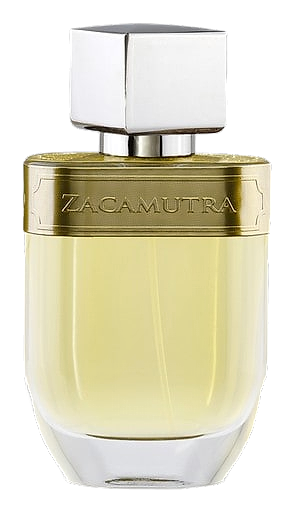
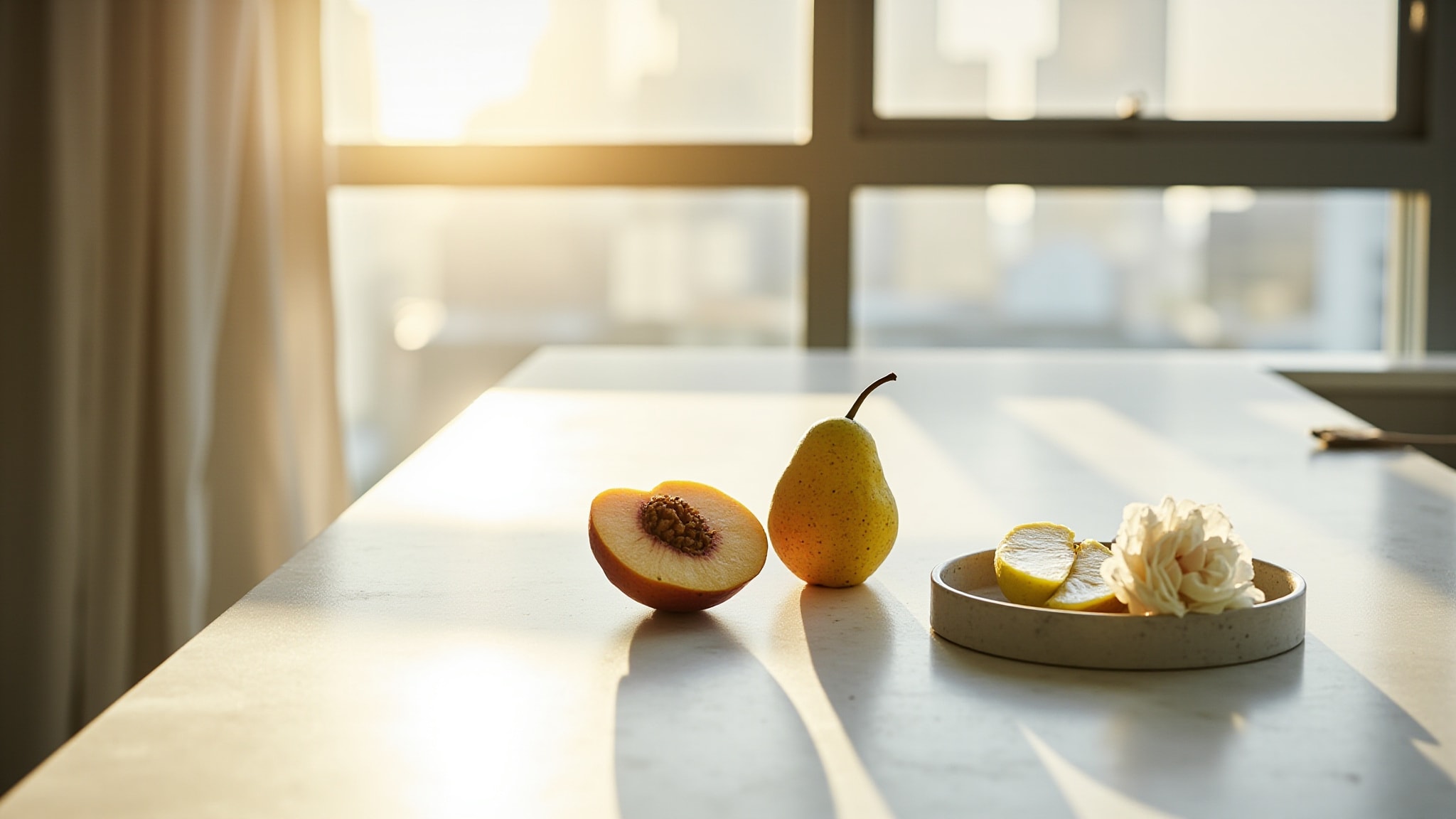
Zacamutra arrived in 2020 from Giovanni Festa, a fragrance designed as an artistic floral and fruity composition. Its official description offers a simple brief with plenty of room beneath the surface, and the title itself carries no verified narrative beyond that framing. The composition reads as a layered study: the fruit sits at the front, tuberose gives the heart a creamy floral shape, and sandalwood anchors the base with a smooth, quiet finish. With no documented story attached to the name, the scent becomes the clearest source for interpretation. There is an immediate brightness in the opening, a soft white floral character in the middle, and a controlled woody ending that lingers.
The interesting part is the contrast between edible freshness and tuberose's powdery floral fullness. Pear and peach make the opening immediate and familiar, while apple keeps the fruit idea rounded rather than sharp. Tuberose brings a creamy, almost sculptural white floral note into the middle. Sandalwood then changes the temperature, taking the composition away from syrupy fruit and toward a smoother, more composed finish. Nothing extra is needed. Five notes give the fragrance a clean line with enough tension to stay interesting.
The evolution
Zacamutra begins with a crisp, juicy impression: pear and peach bring a bright orchard snap before anything settles. The first phase feels airy and lightly sweet, like fruit cooling in an open window, with a clean brightness that catches the nose immediately. As the heart arrives, apple rounds the brightness and tuberose adds a creamy floral weight, softening the initial fruit without burying it. The scent becomes less about juice and more about a polished floral surface, with fruit still visible underneath like color bleeding through pale fabric. The interplay between the orchard notes and the white floral gives the middle phase a layered quality, where each element takes a turn at the front. During the drydown, sandalwood takes the edge off the sweetness and leaves a smooth, pale woody trail that gradually becomes the dominant voice.
Cultural impact
Zacamutra offers collectors a floral-fruity study built around orchard fruit, tuberose, and sandalwood, three materials that have long histories in perfumery. The pairing of juicy fruit with a creamy white floral and a smooth woody base places the scent in conversation with a wider tradition of composed fragrances that move from bright openings to soft, grounded closes. In practice, the composition reads as a study in contrast and balance, with the sweetness of the fruit tempered by the depth of the sandalwood and the soft weight of the tuberose sitting between them.
The House
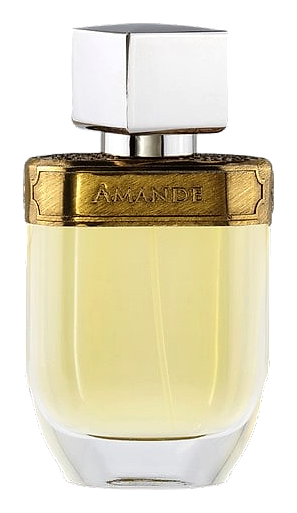
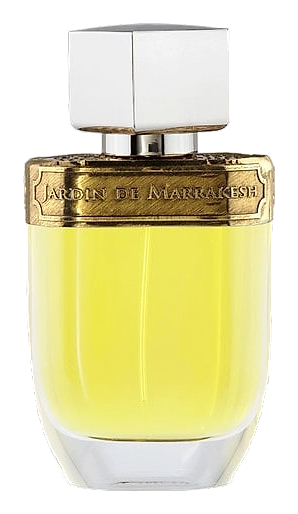
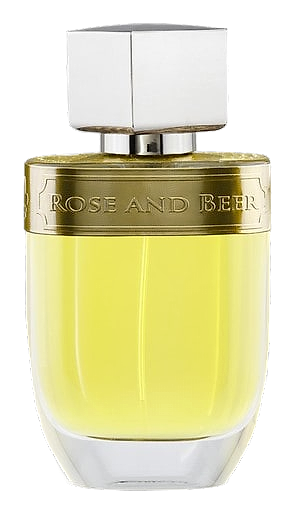
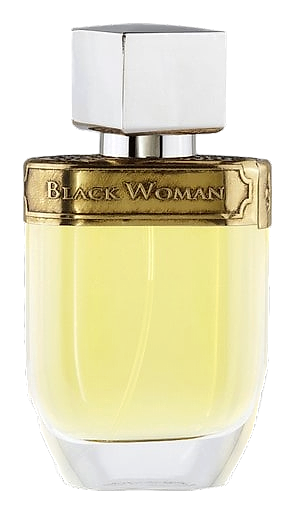
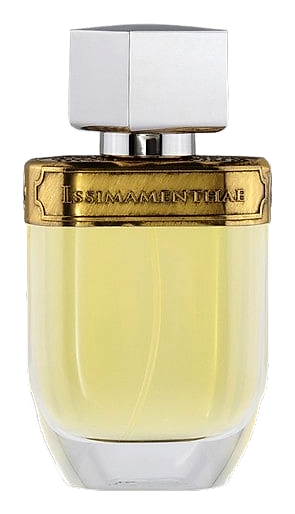
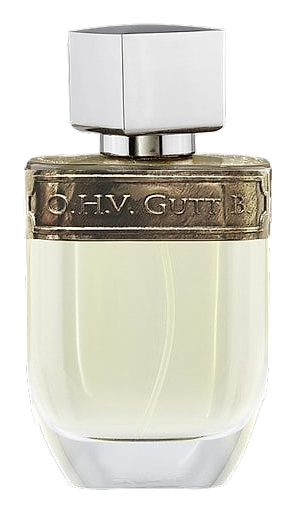
AulentissimaAulentissima is an independent fragrance house that emerged in the late 2010s, offering a catalogue that reads like a laboratory notebook of scent experiments. Its releases – Issimamenthae (2017), Rose and Beer (2020), O.H.V. Gutt B. (2022), Zacamutra (2020), Il Velo di Maia (2020), Spóros (2020), Jardin de Marrakesh (2017), Amande (2017), Black Woman (2017) and Men in Roses (2017) – span a range of aromatic concepts from botanical abstractions to urban narratives. The brand positions itself as a conduit for curious noses, inviting collectors to explore compositions that often juxtapose unexpected ingredients. While the label does not publish a traditional corporate history, its body of work suggests a commitment to pushing the boundaries of modern perfumery without relying on overt marketing slogans.
The Creator
Giovanni FestaIn the lab Festa favors a linear construction: a clear opening, a heart that expands, and a base that settles like stone. He often begins with a single botanical note—often a citrus or a rare rose—and builds layers of supporting accords that echo the primary scent without over…