The Story
Why it exists.
The beginning
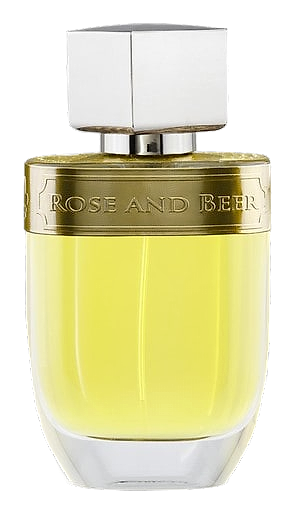
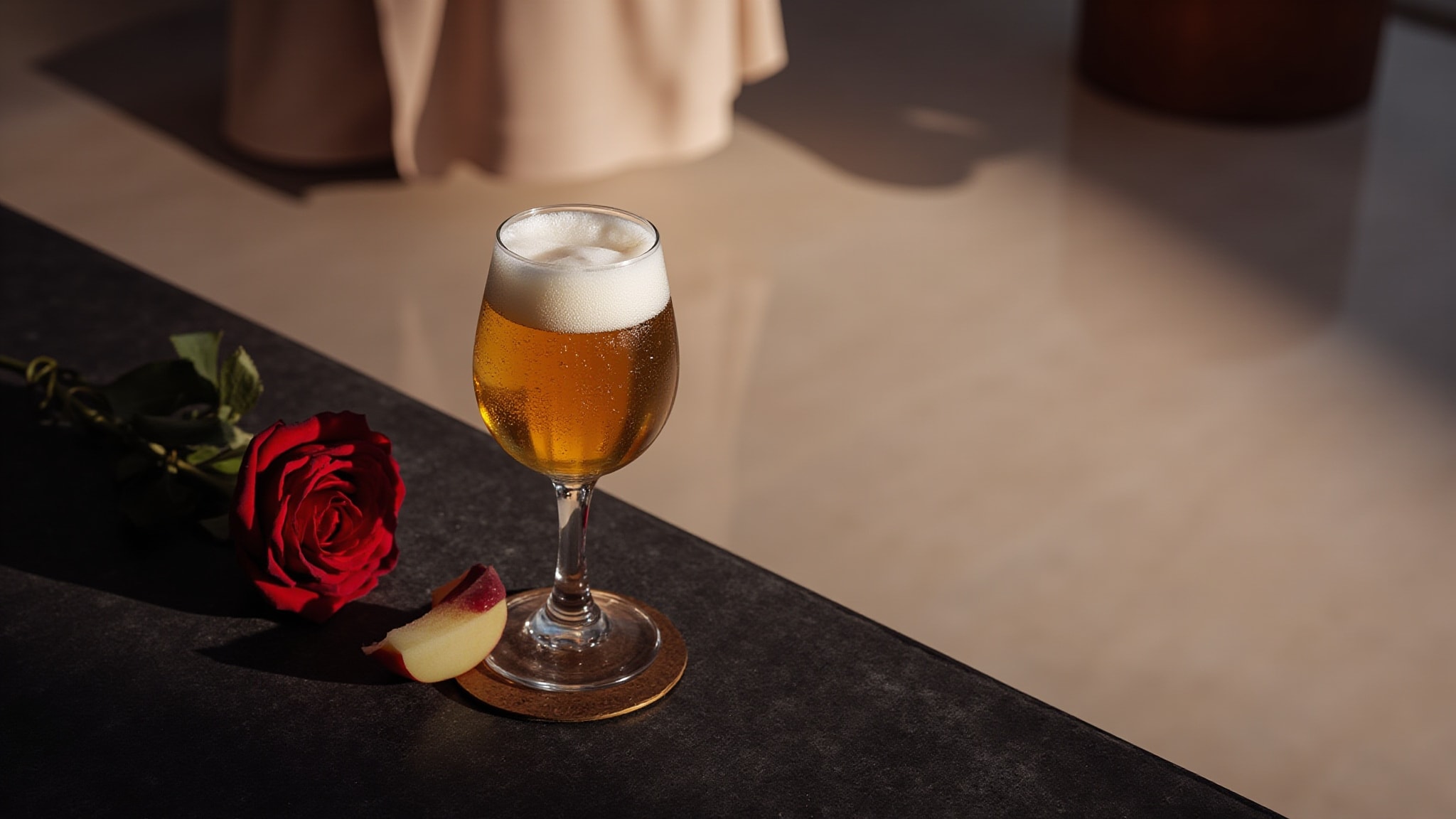
Rose and Beer launched in 2020 under Giovanni Festa. Its name sets up the central joke: rose brings elegance, while beer suggests carbonation, refreshment, and a little social disorder. The composition follows that contrast with rose, apple, sarsaparilla, saffron, amber, and musk. There is no grand mythology here, just a clear artistic idea: make the rose feel less predictable, less formal, and more alive. The fragrance is presented as ironic, elegant, and unisex, a fitting brief for a scent that treats familiar notes like ingredients in an experiment. Rose offers a polished floral impression, while apple introduces a lively fruit accent. As the composition develops, sarsaparilla and saffron deepen the bouquet with darker, spice-like dimensions.
The unusual part is the tension between materials that seem to belong in different rooms. Rose is soft and cultivated. Apple brings a crisp, almost edible brightness. Sarsaparilla adds a root-like, faintly medicinal depth, while saffron brings a dry, metallic warmth. Together, they keep the floral notes from becoming overly sweet or predictable. Amber and musk soften the arrangement as it develops, making the earlier brightness feel warmer and more wearable. The result is a floral that behaves less like a bouquet and more like a drink with flowers in it.
The evolution
The first impression is bright and buoyant, with rose and apple lifted by the imagined sensation of cold carbonation. As the scent settles, sarsaparilla introduces a darker, woody-rooted edge. Saffron adds a dry, slightly metallic heat underneath the floral brightness, so the composition never becomes simply sweet. Later, amber and musk soften that tension into a warm, close trail. Rose remains the clearest thread, but it changes meaning as the fruitiness recedes and the root, spice, and amber become more apparent. On skin, the fragrance develops from a fresh floral opening into a warmer combination of rose, spice, amber, and musk. Its projection and longevity are described as above-average, while the wearer's experience will vary according to skin and application. The final impression is softer and more blended than the opening, without losing the composition's playful contrast.
Cultural impact
Rose and Beer places a familiar luxury flower beside the lively idea of a cold drink, turning the name itself into part of the fragrance's appeal. It speaks to the wearer who enjoys fragrance as a concept, not just a polished signature. Its unisex positioning is part of that presentation, allowing rose and apple to share the foreground with sarsaparilla, saffron, amber, and musk. The composition offers several ways to read it: floral, fruity, spicy, warm, or softly musky. As the scent develops, the opening brightness gives way to a more layered impression, with the rose continuing to connect the different materials.
The House
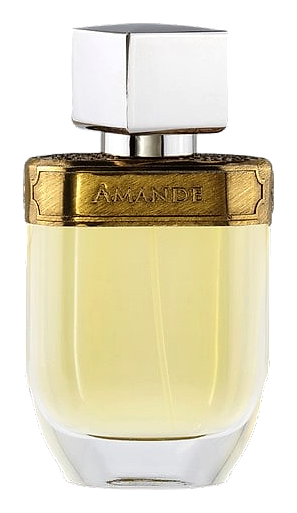
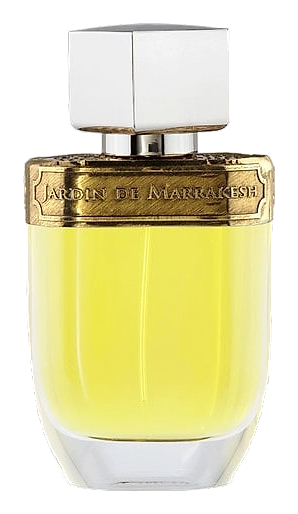
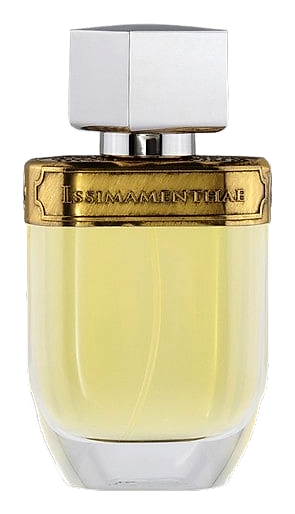
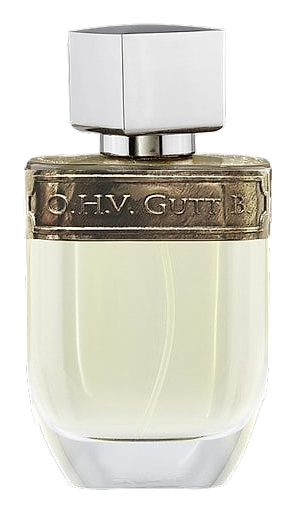
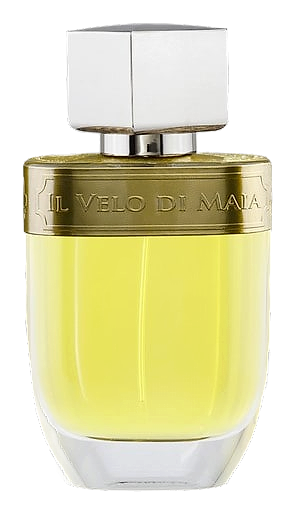
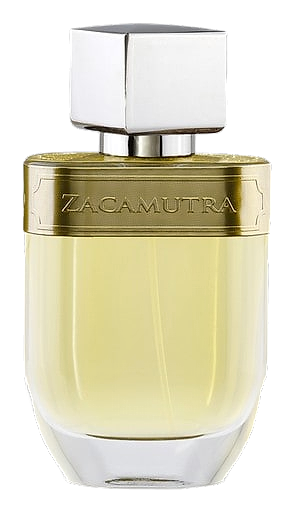
AulentissimaAulentissima is an independent fragrance house that emerged in the late 2010s, offering a catalogue that reads like a laboratory notebook of scent experiments. Its releases – Issimamenthae (2017), Rose and Beer (2020), O.H.V. Gutt B. (2022), Zacamutra (2020), Il Velo di Maia (2020), Spóros (2020), Jardin de Marrakesh (2017), Amande (2017), Black Woman (2017) and Men in Roses (2017) – span a range of aromatic concepts from botanical abstractions to urban narratives. The brand positions itself as a conduit for curious noses, inviting collectors to explore compositions that often juxtapose unexpected ingredients. While the label does not publish a traditional corporate history, its body of work suggests a commitment to pushing the boundaries of modern perfumery without relying on overt marketing slogans.
The Creator
Giovanni FestaIn the lab Festa favors a linear construction: a clear opening, a heart that expands, and a base that settles like stone. He often begins with a single botanical note—often a citrus or a rare rose—and builds layers of supporting accords that echo the primary scent without over…