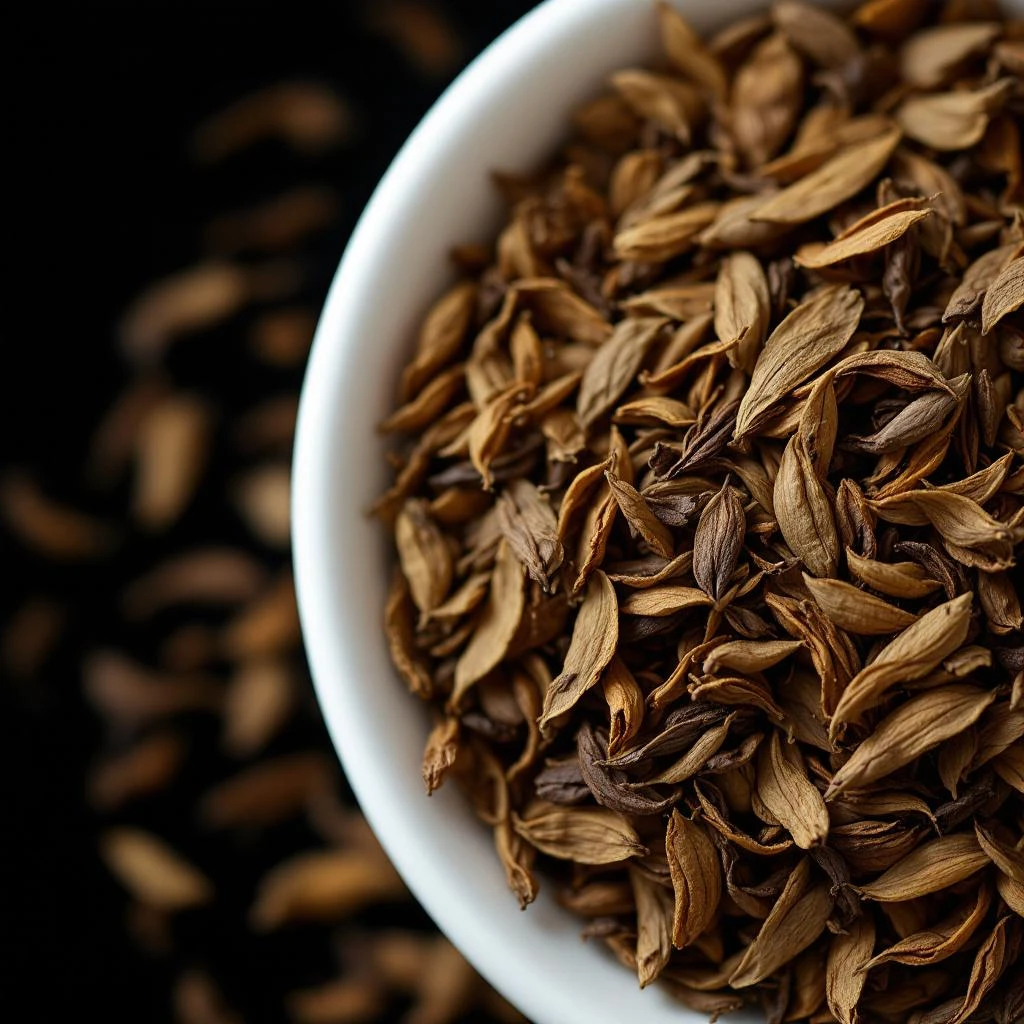
Smilax
Smilax root delivers warm, sweet, balsamic notes reminiscent of sarsaparilla and vanilla. In perfumery, it functions primarily as a natural fixative and base note ingredient, lending depth and a distinctive sweet-woody character to fragrance compositions, particularly in oriental and fougère families.
Character
How it smells
A warm, sweet root with centuries of aromatic tradition.
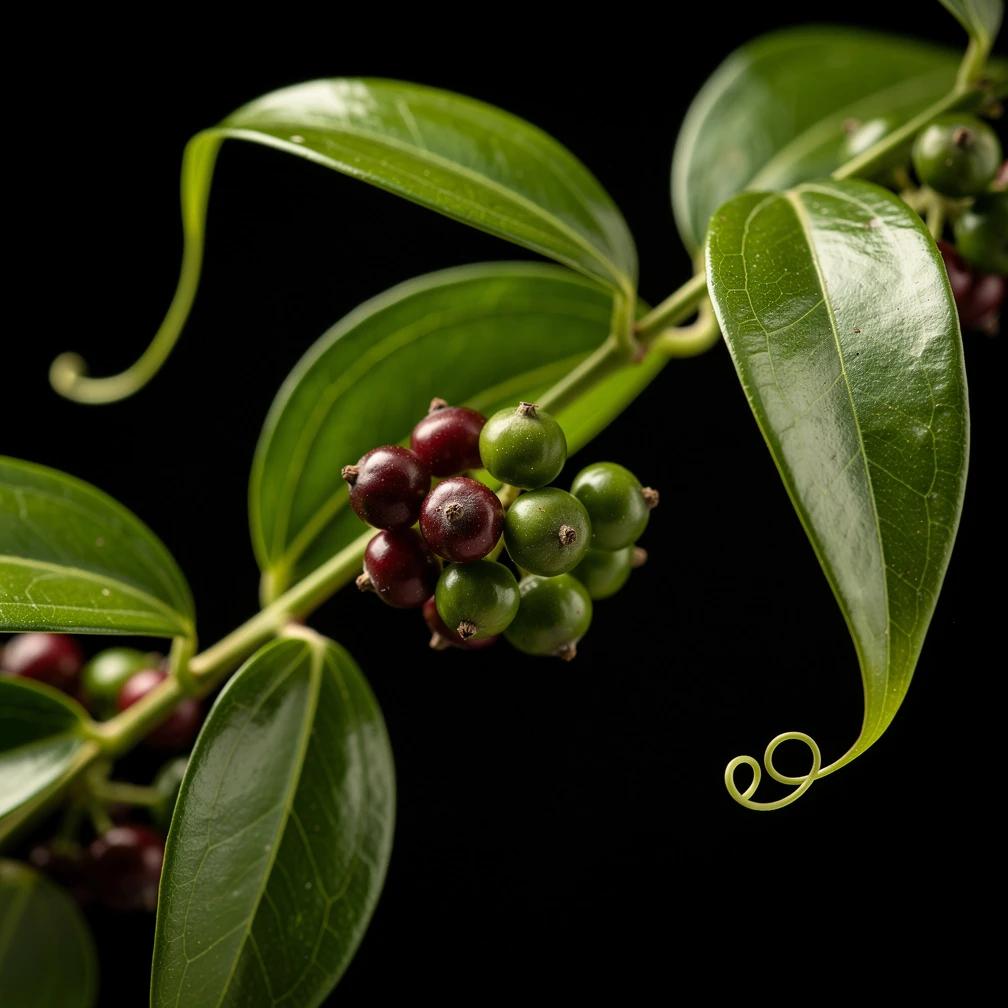
Smilax regelii shares its aromatic compound with the plant that originally flavored root beer, giving perfumery a nostalgic sweetness.





Origin
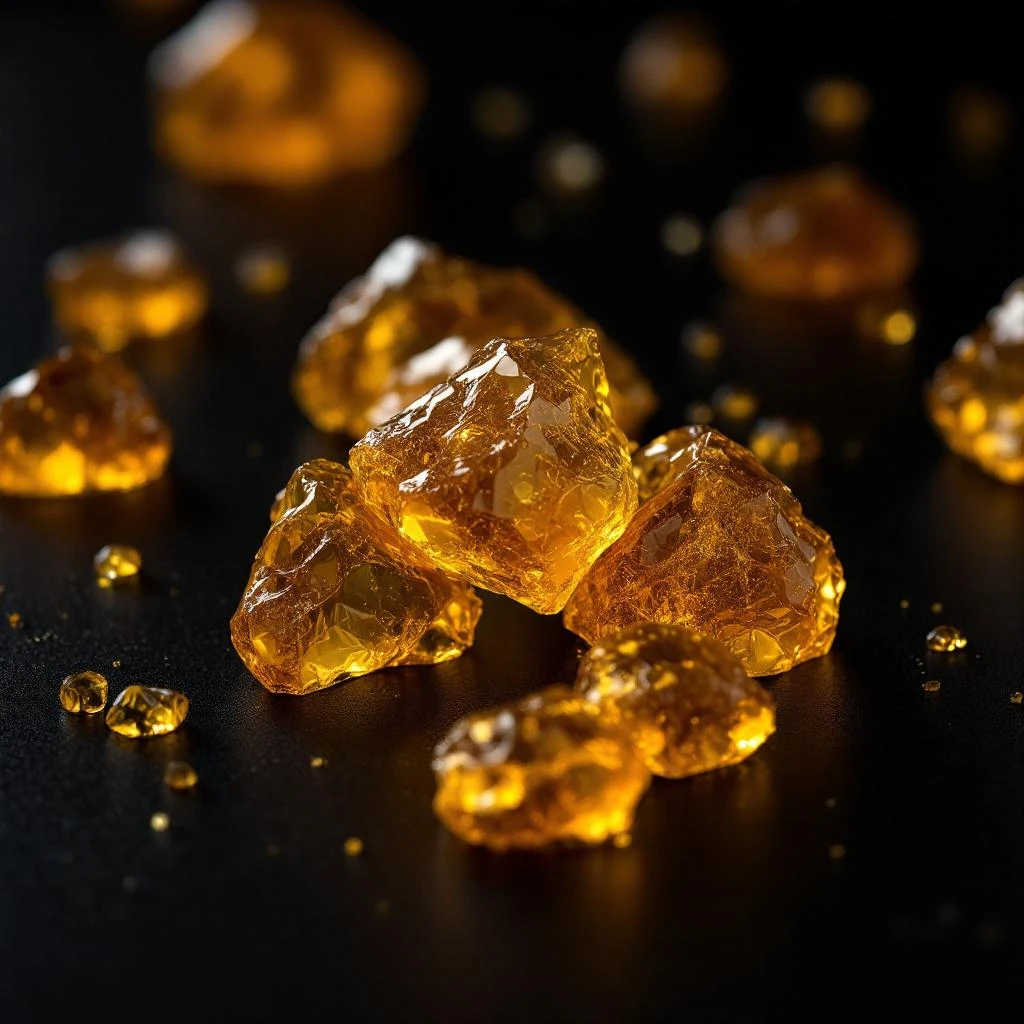
Honduras
Smilax has deep roots in traditional medicine across Central America and the Caribbean, where indigenous peoples used the plant for its purported healing properties long before perfumery adopted it. The plant gained wider attention during the colonial era when European traders encountered sarsaparilla preparations in Mesoamerican markets.
By the 19th century, Smilax extracts had entered the perfumer's palette, valued for their warm, sweet character and fixative qualities. The ingredient fell partially out of favor during the era of synthetic aromatics but has experienced renewed interest among natural perfumery practitioners seeking traditional materials with historical pedigree.
Wears it best
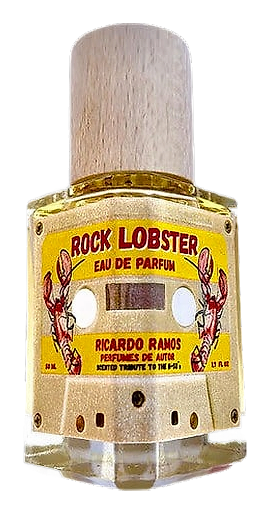
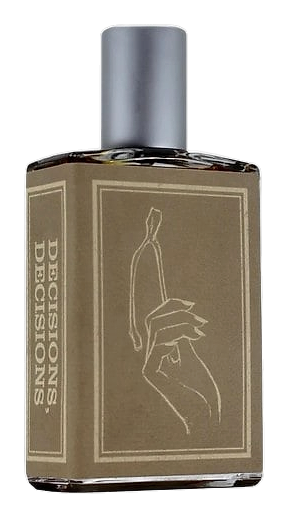
Fragrances featuring Smilax
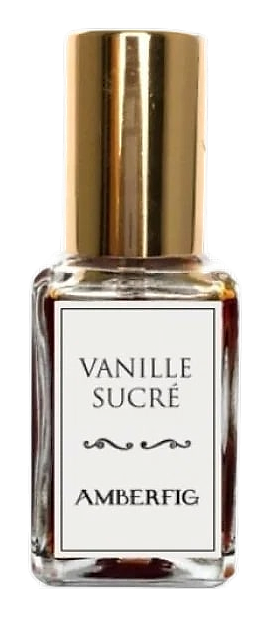
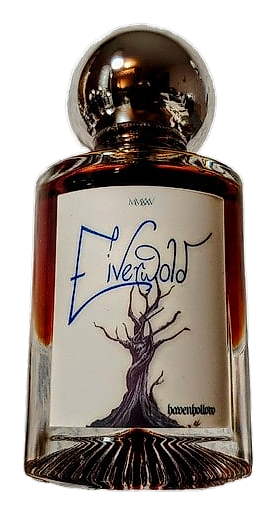
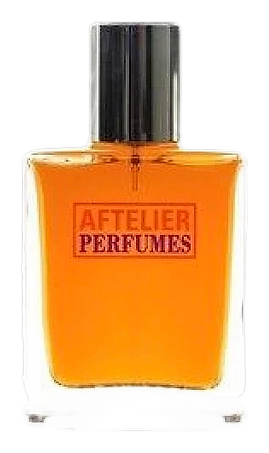

Brands
Brands known for Smilax
Good to know
Questions, answered
The essentials on Smilax in perfumery: how it smells, where it comes from, and how it behaves on skin.
What does Smilax smell like in perfume?
Smilax smells warm, sweet, and balsamic with sarsaparilla-like qualities and a subtle woody undertone. It adds a nostalgic, almost confectionary warmth to fragrance compositions, particularly in oriental and fougère formulations.
Why is Smilax used in perfumery?
Smilax serves dual functions as a fragrance material and fixative. The root material contains sarsaparillin, which contributes sweet, balsamic notes while helping retain volatile top notes in a fragrance blend for longer wear.
Is Smilax in perfume natural or synthetic?
Smilax used in perfumery is a natural ingredient, extracted from Smilax regelii roots via solvent extraction or steam distillation. No widely adopted synthetic equivalent exists, making natural Smilax the standard for authentic applications.
What famous perfumes contain Smilax?
Smilax appears in several traditional fougère and oriental fragrances, though major houses rarely disclose complete ingredient lists. Its use is documented in classical perfumery references as a base note component in formulations requiring warm, sweet undertones.
Is Smilax a top note, heart note, or base note?
Smilax functions as a base note material. Its分子 weight and fixative properties mean the scent develops slowly and lingers, making it suitable for the foundation of a fragrance rather than initial impression.
What notes pair well with Smilax in perfume?
Smilax pairs well with complementary warm materials such as vanilla, benzoin, labdanum, and coumarin-rich ingredients like tonka bean. It also harmonizes with lavender and oakmoss in traditional fougère structures.
Where does Smilax come from?
Smilax regelii grows natively across Central America, with Honduras and surrounding nations serving as primary harvest regions. The roots are collected from wild or cultivated plants before processing through extraction facilities.
Is Smilax used in men's or women's fragrances?
Smilax is traditionally associated with masculine fragrances, particularly within the fougère family. However, its warm, sweet character has also appeared in unisex and feminine oriental compositions, making it versatile across gender categories.