The Story
Why it exists.
The beginning
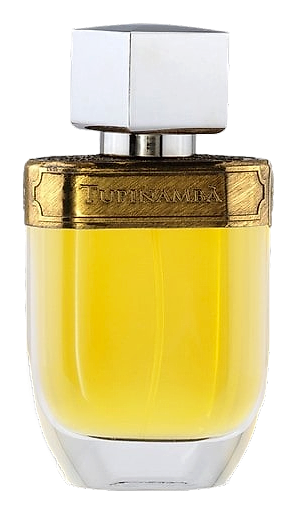
Tupinambà arrived in 2017, composed by a perfumer whose work is described as wild, modern, and sensual. The fragrance joins a floral surface with a woody, musky structure, giving the name a striking tension: delicate notes set against a darker material trail. The composition reads as a deliberate study in contrast, where brightness is shadowed rather than banished, and where rose operates not as a single gesture but as part of a layered architecture. Its 2017 release date anchors it in a specific moment, yet the scent itself resists any easy period framing. The documented facts already make a compelling brief: a 2017 release that treats floral materials not as a pretty convention, but as the opening argument for something more shadowed and structural.
What makes Tupinambà interesting is the handoff between flowers and woods across its development. The opening registers a dry, aromatic snap, while a green floral lift gives the first impression its lift, and rose adds a classic, polished center to the accord. Lily of the Valley and iris make the heart feel almost powdery, but the base pulls it back toward something earthier. Vanilla softens the finish; tobacco adds a dry, lived-in shadow that lingers. The result is less a neat bouquet than a composed contradiction, floral at first glance and distinctly woody once it settles.
The evolution
Tupinambà begins with a cool, articulate brightness. The opening creates a floral entry that feels clean but not innocent, with a dark aromatic edge already showing through. As the heart arrives, Lily of the Valley and iris soften the composition into a powdery, elegant center. Then the base changes the temperature. Vanilla rounds the edges while tobacco introduces a dry, smoky depth that refuses to disappear politely. In the following hours, the floral notes become a memory rather than the main event. The trail shifts into a woody, musky register, faintly sweet, and still recognizably rose-shaped. What remains is the tobacco-and-wood shadow, softened by vanilla rather than erased by it.
Cultural impact
Tupinambà sits within a broader artistic context where fragrance operates as a form of expression rather than a simple category label. Its floral-woody-musk profile gives it a layered character that invites closer attention, and the way it transitions from brightness to shadow across its wear offers a kind of slow narrative arc. The composition appeals to a wearer who appreciates articulation over volume, and who values the interpretive space a scent can offer.
The House
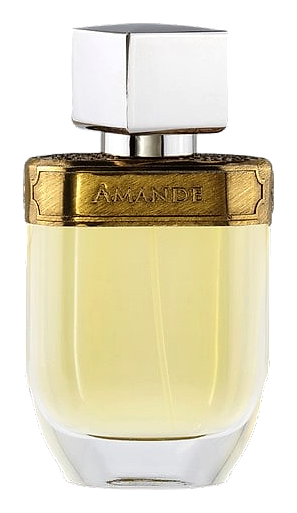
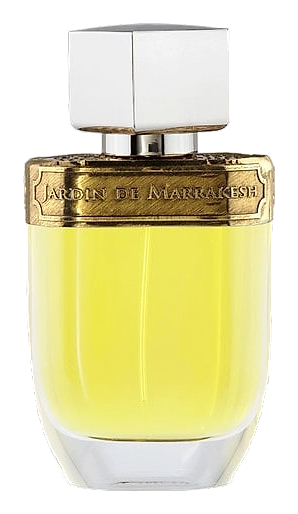
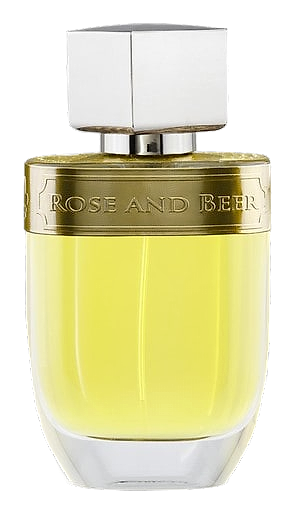
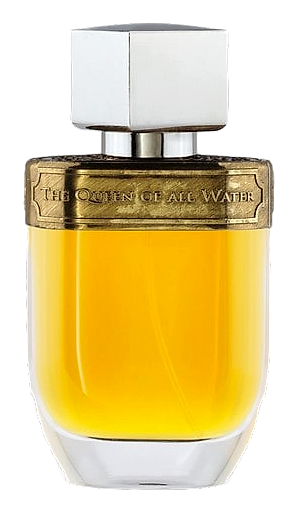
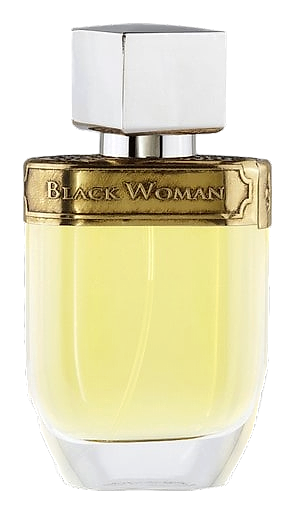
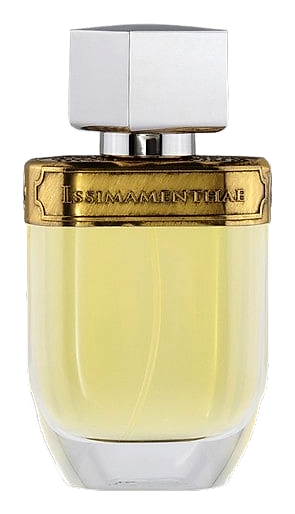
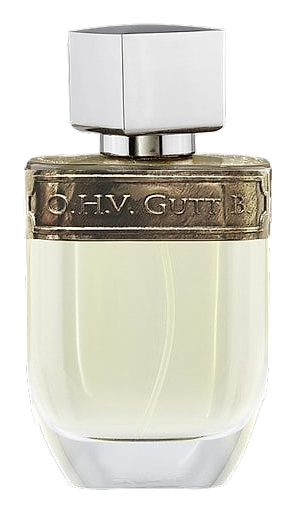
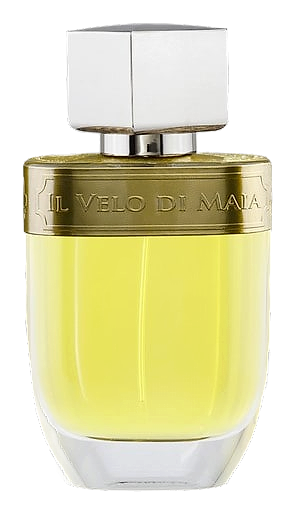
AulentissimaAulentissima is an independent fragrance house that emerged in the late 2010s, offering a catalogue that reads like a laboratory notebook of scent experiments. Its releases – Issimamenthae (2017), Rose and Beer (2020), O.H.V. Gutt B. (2022), Zacamutra (2020), Il Velo di Maia (2020), Spóros (2020), Jardin de Marrakesh (2017), Amande (2017), Black Woman (2017) and Men in Roses (2017) – span a range of aromatic concepts from botanical abstractions to urban narratives. The brand positions itself as a conduit for curious noses, inviting collectors to explore compositions that often juxtapose unexpected ingredients. While the label does not publish a traditional corporate history, its body of work suggests a commitment to pushing the boundaries of modern perfumery without relying on overt marketing slogans.
The Creator
Giovanni FestaIn the lab Festa favors a linear construction: a clear opening, a heart that expands, and a base that settles like stone. He often begins with a single botanical note—often a citrus or a rare rose—and builds layers of supporting accords that echo the primary scent without over…