
The Story
Why it exists.
The beginning
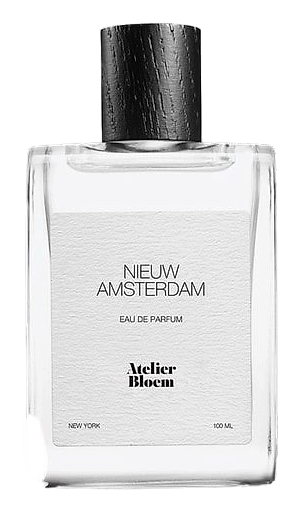
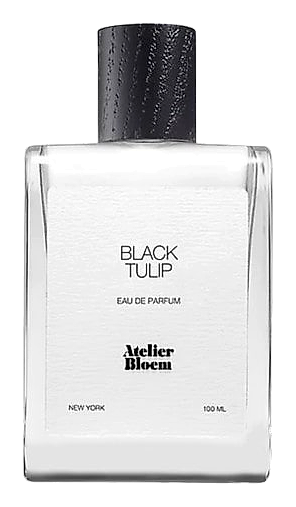
Black Tulip was composed by perfumer Irina Burlakova and released in 2017 as part of the Atelier Bloem line. The fragrance was designed to capture something rarer than a pretty flower, a bloom that absorbs light rather than reflecting it, that feels closer to ink than pigment. Burlakova built the composition around a tulip heart, supported by violet for shadow and water jasmine for translucence, letting the flower's distinctive cool-green character carry the weight without ornament. On skin, the tulip accord reads with an almost vegetable freshness, the crisp snap of a stem just cut rather than the honeyed sweetness of a fully opened blossom. The violet underneath doesn't announce itself as powder or iris so much as a cool wash of shade, deepening the green rather than softening it.
Tulip is a tricky note to work with in perfumery. The bloom carries a watery, slightly rubbery greenness that doesn't always translate into compositions, and many fragrances that include it tend to bury the note under more recognizable flowers or abstract it into something smoother. Atelier Bloem's approach was to let the tulip speak plainly, flanked by violet for its powdery shadow and water jasmine for a sheer, almost transparent lift. Ivy in the opening adds a damp, climbing-vine quality that grounds the composition before it ever reaches the bloom.
The evolution
The first ten minutes belong to ivy. Wet, green, faintly bitter, the kind of leaf-smell that makes you think of garden walls after light rain. Freesia slips in underneath, sweetening the green without softening it, and bergamot adds a thin citrus current that keeps everything bright. Then the tulip arrives. Not loud. Not showy. It opens like a petal rather than a flower, cool and slightly waxy, and the violet folds into it almost immediately, lending a powdery gray rather than purple. Water jasmine hovers at the edge, adding a clean, sheer quality that keeps the heart from going heavy. Two hours in, the amber begins to surface, and the composition shifts from cool floral to warm skin. The vetiver arrives with it, dry and rooty, and the musk settles underneath like a second layer of fabric. By the five-hour mark the green is mostly gone, replaced by a soft amber-woody closeness that stays within arm's reach for another two hours easily. On a sweater the next morning, there's a faint violet-amber trace, like a pressed flower left between pages.
Cultural impact
Black Tulip occupies a specific niche within fragrance, one defined by botanical specificity rather than broad appeal. It's a composition for people who already know what tulip smells like as a raw material and want to see it rendered in wearable form. The fragrance doesn't aim to be universally flattering or seasonlessly versatile. Instead, it commits to a single idea and executes it with unusual precision, building a heart that feels intentional from start to finish. This kind of specificity tends to attract a particular kind of wearer, someone who treats scent as a form of literacy and values accuracy over accessibility.