
The Story
Why it exists.
The beginning
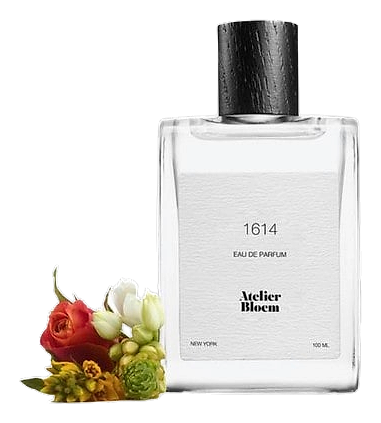
1614 carries a year as its name, and that kind of precision is the point. Launched in 2016, the scent draws from the Dutch floral tradition that gave the house its name. 1614 reaches for the brighter, dewier side of that legacy, the kind of green-fresh white floral that feels cut from a garden rather than composed at a bench. The opening neroli and bergamot bring a citrus brightness that reads as cool and clean rather than syrupy or overripe. The heart is white floral, layered and translucent, with jasmine sambac and orange blossom building a soft, almost watery core. There's a botanical specificity to the composition that keeps it from drifting into the indolic territory that haunts heavier white florals.
What sets 1614 apart from the broader white-floral category is the clover. Sweet clover, or melilot, brings a green, hay-like sweetness that grounds the neroli and prevents the jasmine sambac from tipping into indolic territory. It's the kind of note that feels pulled from a hedgerow rather than a formula, and it gives the heart of 1614 a quiet botanical backbone. Rose water softens the edges without adding weight, lending a translucent sweetness that keeps the florals from feeling constructed or perfumey. The black pepper in the opening isn't sharp enough to read as spice.
The evolution
The first twenty minutes belong to neroli and bergamot, with the black pepper flickering underneath like a change in temperature rather than a separate note. There's a soapiness to it, but not in a bad way. It smells like washing your hands in a kitchen where the windows are open, bright and clean with a faint herbal edge. Then the jasmine sambac arrives, and it doesn't announce itself. It just shows up in the composition, thickening the air with a creamy, almost waxy sweetness that never crosses into the heavy or animalic. Orange blossom follows, adding a sunnier, more honeyed facet to the white floral heart. Rose water adds a translucent sweetness that keeps everything lifted, a cool drink rather than a syrup.
Cultural impact
1614 sits in a specific niche category that doesn't get written about often: the green-fresh white floral. It's a corner of perfumery where the goal is to capture the feel of a garden in early bloom rather than the heavier, more indolic territory of classic white florals like tuberose or gardenia. The melilot clover note gives it a botanical specificity that most modern florals skip, lending a hay-like green sweetness that keeps the composition from drifting into syrup or sweetness.