The Story
Why it exists.
The beginning
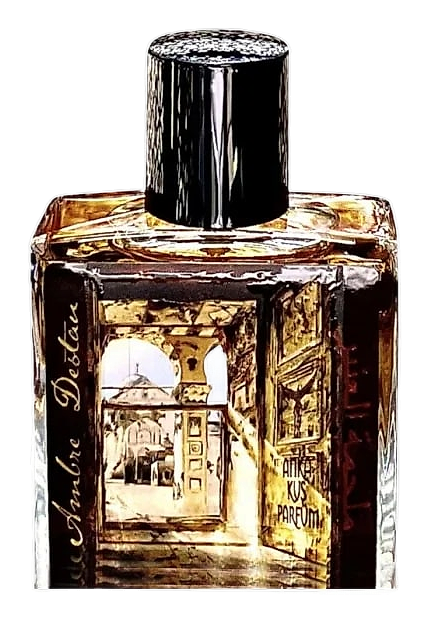
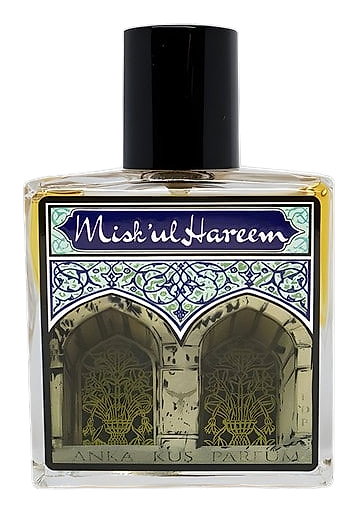
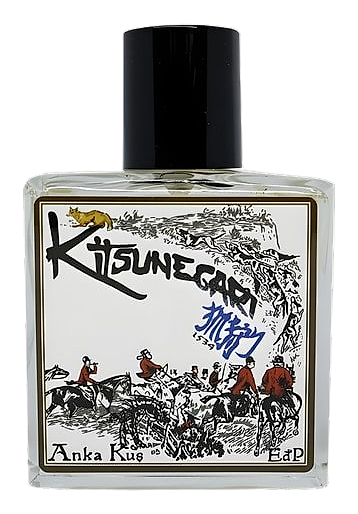
Kitsunegari draws from Japanese kitsune lore, the fox that shifts form, never quite what it seems. Anka Kuş has built a catalog around ambiguity and layered meaning, and this fragrance carries that same tension: classical structure that refuses to stay in its lane. Released in 2021, it arrived with a citrus-barbershop opening that reads familiar on paper but develops differently on skin. The name suggests pursuit, transformation, something caught between hunter and hunted. That ambiguity is the point.
The note pyramid reveals a deliberate structure: seven top notes for an energetic opening, then a heart that refuses to commit cleanly to masculine or feminine. Damask rose and jasmine provide traditional floral weight, but carnation's cheeky spice and vanilla's warmth push it somewhere less expected. What makes Kitsunegari unusual is how the civet appears not as a dramatic statement but as a quiet undercurrent, present in the base, felt more than announced. Oakmoss brings the classic chypre structure, leather grounds it, and the whole thing settles into something that rewards patience rather than instant gratification.
The evolution
The first hour belongs to citrus and basil, that sharp barbershop opening the community keeps mentioning. Energetic. Vigorous. Bergamot, lemon, tangerine, and lime arrive together in a blast that feels familiar, almost safe. Then the basil shifts the register, adds something herbal that keeps it from reading as generic. The florals don't wait their turn. Rose and jasmine push through before the citrus fully fades, and carnation's spice threads between them. The vanilla starts early, sweetening the transition. By hour three, the civet announces itself, not aggressive, but unmistakable. This is the kitsune's tell. The base builds from here: sandalwood, patchouli, leather, oakmoss. Amber and benzoin warm the finish. Six to eight hours, moderate sillage, intimate projection. The drydown on skin the next morning? Leather and something faintly animalic, still present.
Cultural impact
Kitsunegari occupies an unusual position: structurally classical enough to feel accessible, unconventional enough to reward attention. The barbershop citrus opening satisfies on first wear; the civet-amber drydown reveals itself over hours. For wearers drawn to independent perfumery that challenges rather than comforts, this is the kind of composition that justifies the category. The fox, transformation, between states, never quite fixed, fits Anka Kuş's broader philosophy of fragrance as ambiguity rather than solved problem.