
The Story
Why it exists.
The beginning
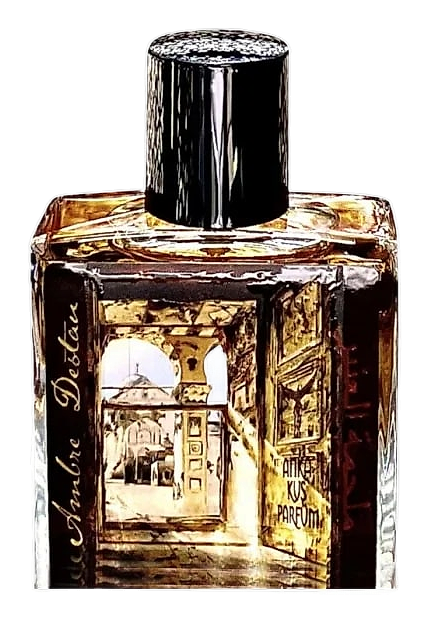
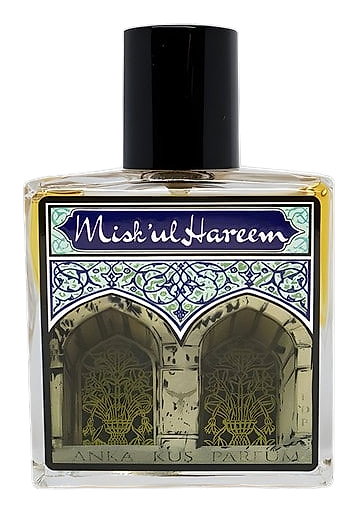
Misk'ul Hareem takes its name from a world of secrets and opulence, the Ottoman harem as a private sanctuary, removed from the outside world. In that context, fragrance was not decoration. It was devotion. Burnt wood, sandalwood, and oud filled enclosed spaces. Rose oil mingled with musk and coffee. The air itself was part of the architecture of desire. Anka Kuş Parfüm translated that atmosphere into a wearable composition: a fragrance that begins in brightness and arrives somewhere deeper, where warmth accumulates and nothing needs to be explained.
What makes Misk'ul Hareem distinctive is its structure. The musk appears in the top notes alongside citrus, an unconventional move that gives the opening unexpected softness beneath its brightness. Cherry arrives early in the development, sweeter than the resinous base might suggest, bridging the gap between the airy opening and the warm, complex drydown. The heart unfolds gradually, its florals revealing themselves layer by layer. Jasmine emerges first, bringing a heady sweetness that is tempered by the green, slightly peppery presence of geranium.
The evolution
The opening arrives bright and clear, citrus immediately present and assertive. Cherry follows almost immediately, softening the initial sharpness into something sweeter and more inviting. The florals emerge gradually: jasmine first, its heady sweetness tempering the citrus brightness, then geranium threading through with its green, slightly peppery character. Vanilla and benzoin provide warmth underneath, holding the composition together as the citrus begins to fade. By the hour, the base notes assert themselves. Oud and frankincense arrive together, bringing resinous weight that shifts the texture toward depth and complexity. Cedar and sandalwood smooth what could have been rough edges, their creamy woodiness tempering the more aggressive elements. The drydown is warm, deep, and substantial.
Cultural impact
Misk'ul Hareem appeals to wearers who seek complexity over comfort, who understand fragrance as a form of cultural conversation rather than a consumer product. The composition draws from the traditions of oriental perfumery, reinterpreting them through a contemporary lens that feels both rooted and fresh. Its structure challenges conventional expectations, refusing to follow the linear arc that many fragrances adhere to. Instead, it presents an olfactory atmosphere that shifts and evolves, rewarding repeated wearings with new discoveries.