The Story
Why it exists.
The beginning
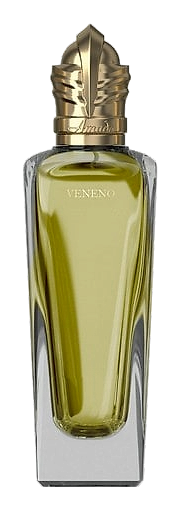
Veneno landed in 2023, a composition that wears its name openly: venom, the Spanish word for poison, the kind that doesn't kill you but rearranges how you think for a while. The fragrance was built as a collision course, tropical fruit against deep amber resin, white florals against smoked-out wood. Provenzano constructed a scent that opens like a dare and finishes like a memory you can't quite place. The opening minutes deliver a burst of juicy pineapple laced with bergamot brightness, the kind of sugary acidity that makes your mouth water before the drydown even begins.
What's interesting here is the structural argument. Most amber-woody compositions lead with their weight, all resin and smoke from the first spray. Veneno flips that. Pineapple, peach, and ylang-ylang arrive before the sandalwood or labdanum gets a vote, and that fruit-floral front changes what the base means once it shows up. The amber and vanilla don't read as heavy because the opening already gave you something bright to compare against. Cashmere wood in the heart acts as a bridge material, softer than sandalwood, less defined than cedar, something that holds the rose and jasmine in place without sharpening them.
The evolution
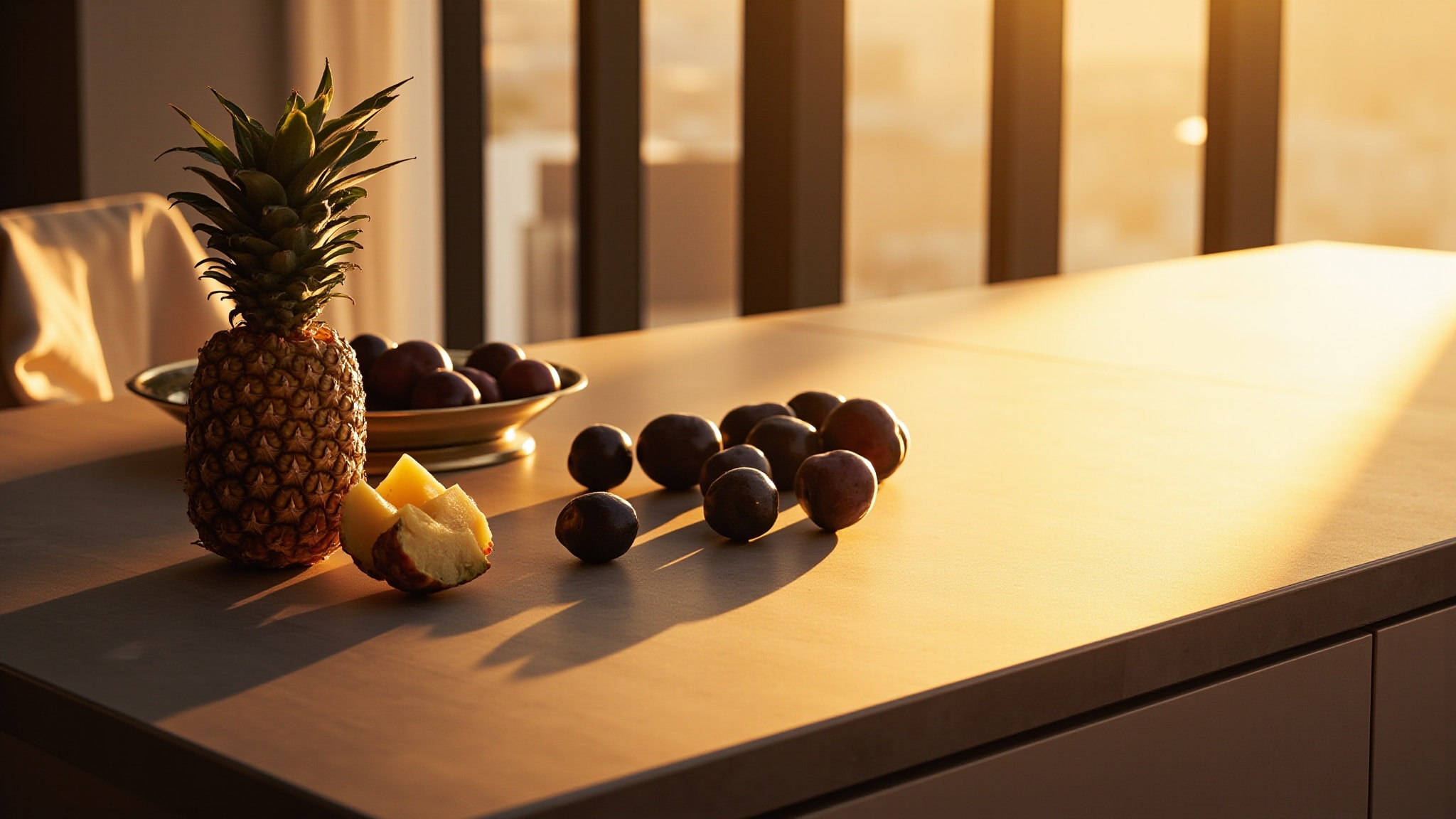
The first twenty minutes belong entirely to pineapple and peach, bright and almost cartoonish, with nutmeg threading through like a dare. Plum deepens the sweetness, elemi adds a lemony resin edge, and ylang-ylang pushes the whole thing slightly toward sunscreen territory, though not in a cheap way. Then the fruit peels back. Rose and jasmine sambac take the middle, sitting on a bed of cashmere wood that's almost felt-like in its softness. The white florals don't shout, they murmur, and that restraint matters. By the two-hour mark the base starts to assert itself: sandalwood and cedarwood arrive woody and grounded, patchouli adds its earthy hum, labdanum brings the amber's resinous warmth, and vanilla softens the whole structure. The musk underneath ties everything together without announcing itself. Six hours in, you're left with a close-skin drydown of amber, sandalwood, and vanilla that smells like the ghost of the opening, warm, slightly sweet, impossible to pin down. The next morning, the fabric of whatever you wore still carries it.
Cultural impact
Veneno sits in an interesting space for Amado. A release that leads with pineapple and cashmere reads as a genuine stretch, not a safe sequel. The fruit top notes are unapologetically sweet, verging on gourmand territory for the first ten minutes before the amber resin pulls the composition back toward something darker and more serious. As the hours pass, the drydown softens into a warm, skin-close blend of benzoin, vanilla, and wood smoke that lingers well into the evening. The cashmere woods in the base give the fragrance a slightly fuzzy, almost textile-like quality that keeps the sweetness from feeling sharp or juvenile.
The House
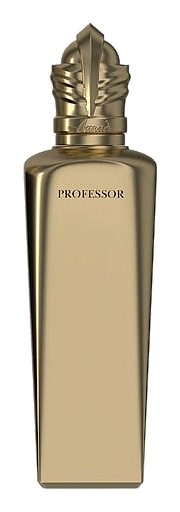
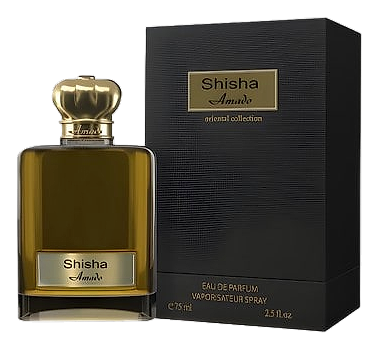
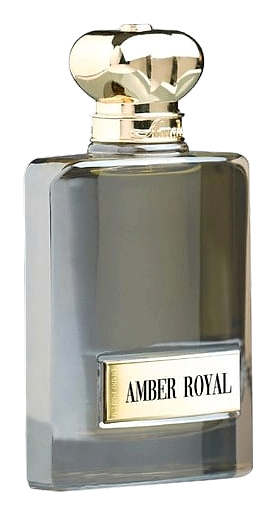
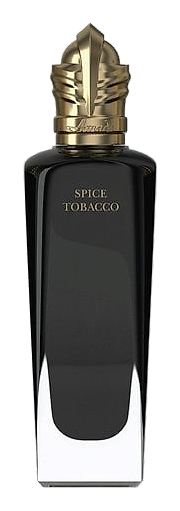
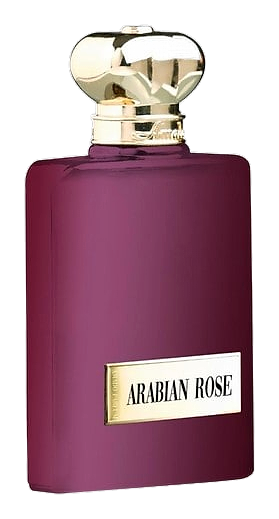
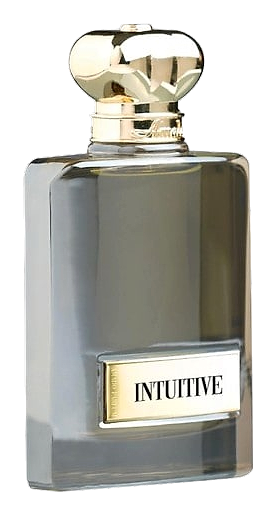
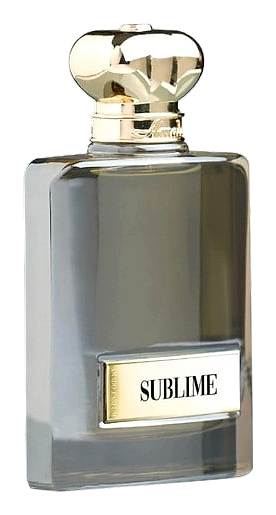
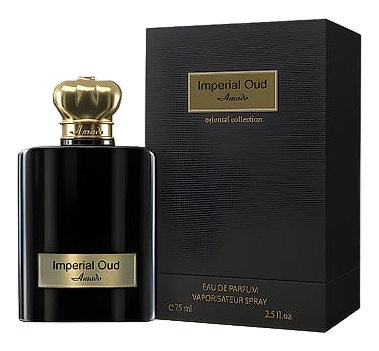
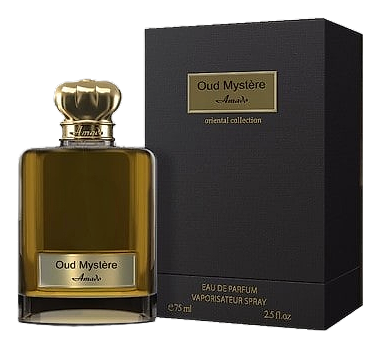
AmadoAmado is a niche fragrance house rooted in French perfumery tradition and currently operating from the Kingdom of Saudi Arabia. Since launching its first compositions in 2014, the brand has built a catalog of approximately forty fragrances, spanning oriental oud creations, floral extracts, and musc-led compositions. The house collaborates with established perfumers, most notably Claire Paulson, who brought over three decades of experience to the brand's flagship Blue Incense. Amado positions itself at the intersection of European formulation expertise and Arabian olfactory heritage, a duality that shapes its ingredient choices and creative direction.
The Creator
Christian ProvenzanoFrom the fragrances attributed to him, a penchant for rich, opulent compositions emerges. He's likely drawn to warm, sensual notes like amber, musk, and vanilla, often paired with exotic spices and precious woods.