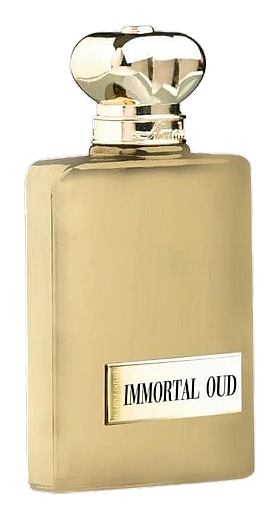

The Story
Why it exists.
The beginning
Immortal Oud arrived in 2014, the same year Amado released its earliest compositions. Christian Provenzano, the perfumer behind this fragrance, signed onto the brief. The intention was clear from the opening accord: roasted coffee and cinnamon, a combination that translates warmth into something with real weight behind it. Not nostalgia as decoration. Nostalgia as structure. There's an architectural quality to how the notes are stacked, each one supporting the next rather than competing for attention, and the composition reads like a deliberate statement about what the house wanted to achieve with its first offerings.
What's interesting here is the restraint beneath the excess. The top accord reads as a dessert-adjacent gourmand, coffee and cinnamon, but the heart pulls toward tobacco and vanilla, pulling the sweetness into something drier, more lived-in. Then the base does the heavy lifting: oud, amber, caramel. Stacking them creates a density that's unusual in a composition with only seven named notes. No filler. No padding. Just materials that earn their place.
The evolution
The opening is coffee and cinnamon doing their loudest work, a warm-spiced introduction that reads almost edible. There's a sweetness here, brown sugar leaning toward caramel, but the cinnamon keeps it from tipping into pastry territory. The tobacco arrives not as pipe smoke but as dried leaf, dusty and faintly sweet, threading through the vanilla that's been waiting underneath. As the composition develops, the oud takes its seat. It doesn't roar. It hums. Amber underneath holds the warmth while the oud adds something resinous, the kind of note that makes someone across the table lean closer without knowing why. Through the middle stretch, the composition settles into a stable groove: tobacco, oud, amber, the faintest thread of caramel. It doesn't fade so much as compress, the louder notes withdrawing to let the base materials speak at a lower volume.
Cultural impact
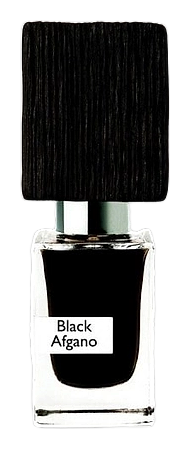
Wearers describe Immortal Oud as a fragrance for cold-weather evenings, the kind of composition suited to fall and winter wear when heavier materials feel appropriate. It shares some DNA with Nasomotto's Black Afgano, a comparison one reviewer raised, crediting Amado's version with a smoother oud integration. The sweet-spicy-woody triad places it firmly in the oriental-woody category, a register that travels well across Middle Eastern and Western fragrance audiences. It's not a showpiece composition designed to shock.