The Story
Why it exists.
The beginning
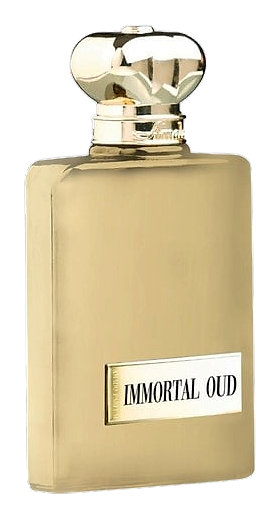
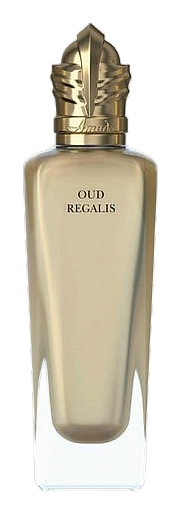
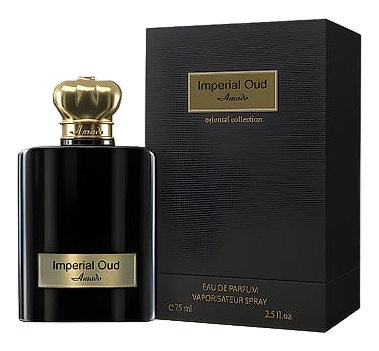
Imperial Oud arrived in 2014, composed by Christian Provenzano. The fragrance builds around oud without resorting to the heavy-handed constructions that sometimes define the category. The name carries weight on purpose. Imperial suggests something earned, something worn across centuries rather than purchased on a whim. Provenzano's structure reveals a commitment to restraint: the oud speaks in a low register, the resin and wood do the patient work. There is no rush to impress, no immediate declaration. The composition opens quietly and earns its presence through material quality rather than volume. Every element feels considered, weighed, placed with intention. This is oud treated as a serious material, one deserving of time and attention rather than spectacle.
The composition is unusually sparse for a fragrance wearing the oud label. Five notes total, one in the opening, two at the heart, two in the base. That economy matters. Imperial Oud lets labdanum open the door, patchouli and sandalwood hold the room, then hands the closing act to the oud itself, accented only by rose. The rose does unexpected work here, arriving at the base rather than the top or heart. It keeps the drydown from collapsing into pure smoke, adding a faint floral breath that softens without sweetening.
The evolution
Labdanum opens with the texture of warm resin, almost like amber before it sets. Not bright, not sharp, more like the scent of a church candle that has been burning for an hour. Patchouli arrives in the opening phase, dark and earthy, settling into the skin alongside sandalwood's creamier grain. The first hour reads as a conversation between resin and wood, oud hovering just out of frame, present but withheld. The oud eventually announces itself, not with barnyard force, but with a smoked, almost medicinal quiet. It builds rather than bursts. The rose surfaces last, faintly, in the later stages of wear. It does not bloom so much as exhale, a single thread of floral against all that depth. Over hours the composition thins to a close-skin blend where sandalwood and oud take over, the patchouli receding, the labdanum fully absorbed into the base.
Cultural impact
Imperial Oud wears like a private indulgence rather than a public announcement. It suits someone who already knows their taste and does not need the room to confirm it. It sits as one of Amado's recognized releases, quieter than some siblings but more patient in its construction. The fragrance rewards a wearer who values understatement over projection, depth over drama. Among the brand's catalog, it holds its place through restraint rather than spectacle. Wearing well across seasons, it adapts to different climates without losing its character: warming further in cool air, softening in heat.
The House
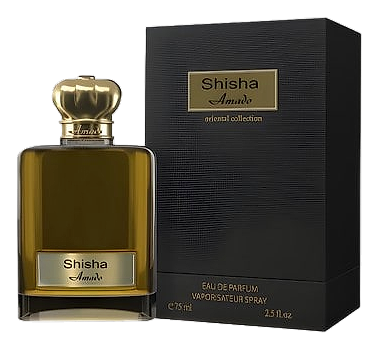
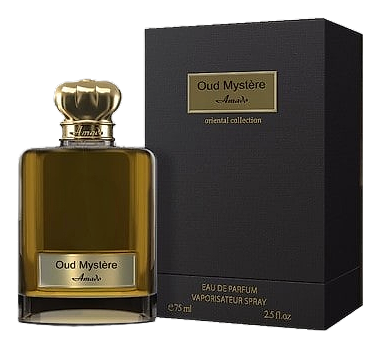
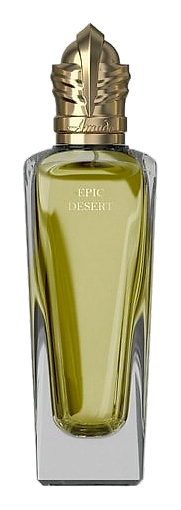
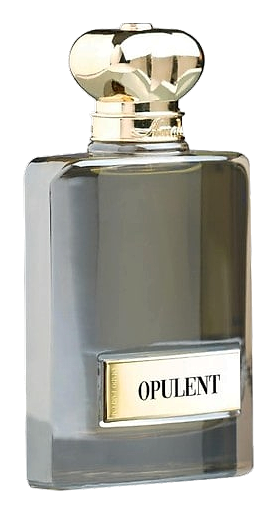
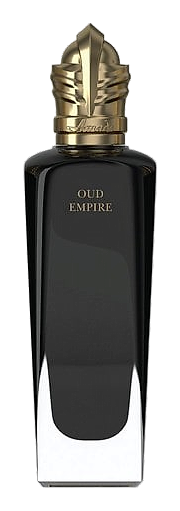
AmadoAmado is a niche fragrance house rooted in French perfumery tradition and currently operating from the Kingdom of Saudi Arabia. Since launching its first compositions in 2014, the brand has built a catalog of approximately forty fragrances, spanning oriental oud creations, floral extracts, and musc-led compositions. The house collaborates with established perfumers, most notably Claire Paulson, who brought over three decades of experience to the brand's flagship Blue Incense. Amado positions itself at the intersection of European formulation expertise and Arabian olfactory heritage, a duality that shapes its ingredient choices and creative direction.
The Creator
Christian ProvenzanoFrom the fragrances attributed to him, a penchant for rich, opulent compositions emerges. He's likely drawn to warm, sensual notes like amber, musk, and vanilla, often paired with exotic spices and precious woods.