The Story
Why it exists.
The beginning
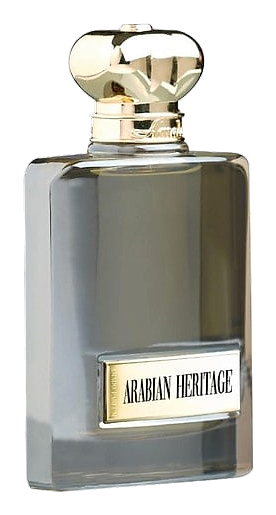
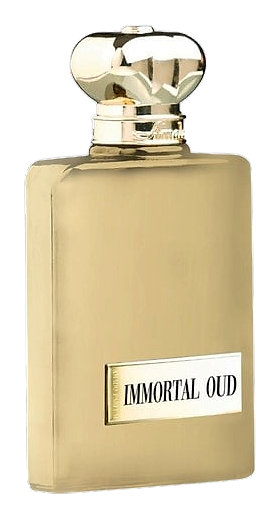
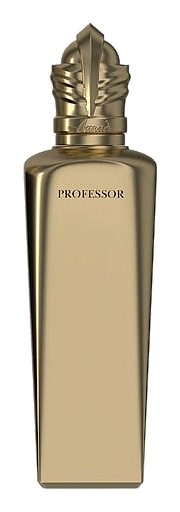
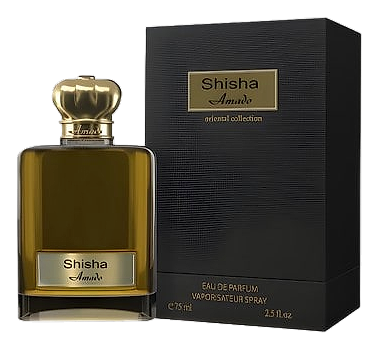
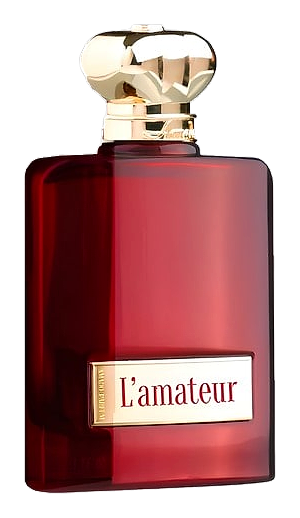
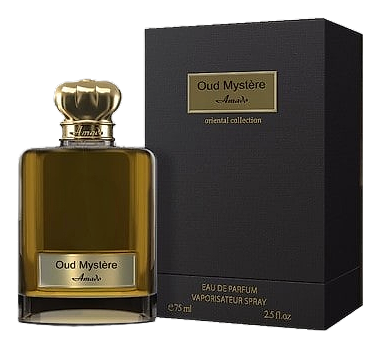
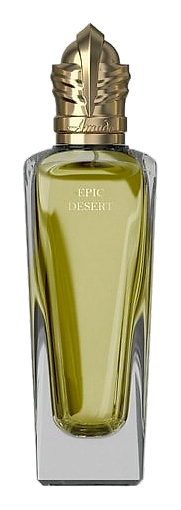
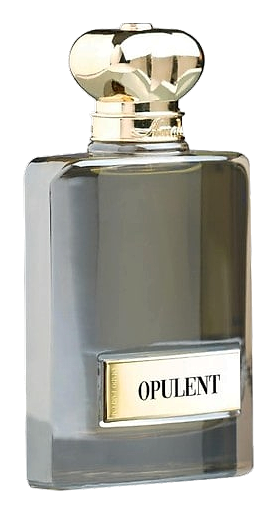
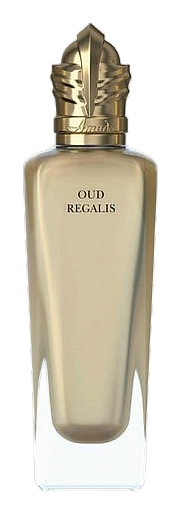
Oud Regalis arrived in 2026 from Amado, a house listed under Saudi Arabia. The composition was created by Christian Provenzano, who is credited as the perfumer. The name carries weight: regalis, of or relating to royalty, a Latin root that signals something ceremonial, something with stature. Amado's catalog now spans twenty-eight perfumes, a range that includes oud-forward works alongside other compositions, and Oud Regalis enters that collection with a profile built around contrasts. The opening leans into warmth and sweetness, a near-edible impression built from cinnamon, saffron, and coconut, before the oud and patchouli base asserts itself and reshapes the whole.
What makes the composition structurally interesting is the tension between the opening's gourmand warmth (cinnamon, saffron, and coconut reading almost edible) and the oud-patchouli base that eventually takes precedence. The ylang-ylang, jasmine, and rose heart bridges those two worlds, providing a floral cushion that keeps the spice from tipping into foodiness and the oud from leaning too austere. Cashmeran and Ambroxan in the base add a modern, slightly mineral brightness that prevents the composition from smelling like a traditional Arabian attar.
The evolution
The first thirty minutes belong to the spice: cinnamon lands first, almost aggressive, with saffron curling underneath and bergamot offering a brief citrus lift before the coconut arrives and rounds everything into something resembling warm pastry. By the one-hour mark, the florals have settled into the composition, ylang-ylang reading tropical and slightly waxy, jasmine adding indolic sweetness, and rose threading through to keep things from going purely gourmand. The oud doesn't announce itself early. It waits. Around the three-hour mark, the base asserts itself: patchouli brings its earthy depth, guaiac wood adds a smoky woodiness, and cashmeran contributes its characteristic musky warmth. Ambroxan provides lift, a slightly mineral sparkle that keeps the drydown from collapsing into something too heavy. By hour six, what remains is close to skin: the oud softened, the spice receded, a warm musky-woody presence that lasts through the evening without demanding space.
Cultural impact
Oud Regalis makes its position clear through its note list: a base of oud and patchouli, a heart of ylang-ylang, jasmine, and rose, and an opening that pulls in cinnamon, saffron, and coconut, a combination that's rare in oud-led work, where gourmands and tropicals aren't often invited to the table. The coconut note in particular stands out, lending a creamy, almost suntan-oil sweetness to the opening that softens the transition from spice into resin. As the composition wears, that coconut recedes but never fully disappears, leaving a faint lactonic hum beneath the florals and the growing oud.
The House
AmadoAmado is a niche fragrance house rooted in French perfumery tradition and currently operating from the Kingdom of Saudi Arabia. Since launching its first compositions in 2014, the brand has built a catalog of approximately forty fragrances, spanning oriental oud creations, floral extracts, and musc-led compositions. The house collaborates with established perfumers, most notably Claire Paulson, who brought over three decades of experience to the brand's flagship Blue Incense. Amado positions itself at the intersection of European formulation expertise and Arabian olfactory heritage, a duality that shapes its ingredient choices and creative direction.
The Creator
Christian ProvenzanoFrom the fragrances attributed to him, a penchant for rich, opulent compositions emerges. He's likely drawn to warm, sensual notes like amber, musk, and vanilla, often paired with exotic spices and precious woods.