The Story
Why it exists.
The beginning
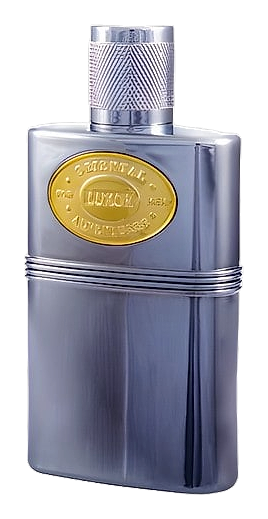
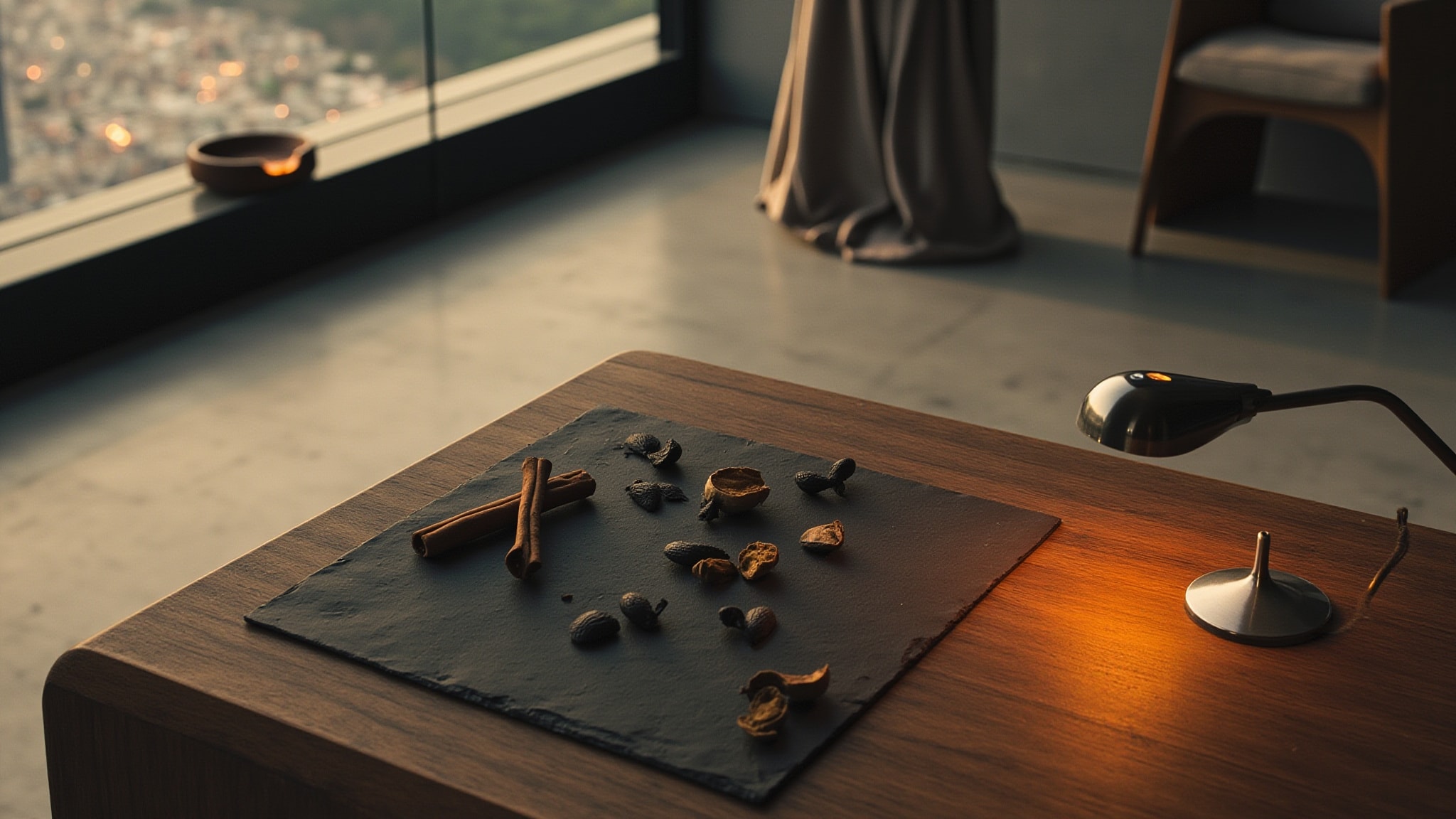
Luxor arrived as part of Alan Bray's Oriental Adventures collection, drawing its name from the Egyptian city. The cardamon, coriander, cinnamon, and nutmeg of the opening carry that reference into something you can actually wear. The spice quartet of the top notes sits in direct conversation with the woods listed in the heart and base, and the whole composition behaves like a single gesture rather than a layered construction. The perfumer's choice to keep the bridge between top and base notes linear means the spice carries weight throughout, never fully ceding to wood and never fully dominating either. What you smell at the top is what you smell in the middle and what stays close to the skin in the drydown, translated through different registers but recognizably the same set of materials.
What separates Luxor from other compositions in a similar key is the way the heart notes are weighted. The middle stage brings together cedar, patchouli, and sandalwood alongside the spice that has carried down from the opening. Rather than stacking these woods in a dense pyramid, the formula treats them as a conversation between equals, each one contributing its particular grain without obscuring the others.
The evolution
The first moments belong entirely to the spice quartet, with cardamom leading and cinnamon threading underneath like a slow ember. Coriander adds a greenish, almost soapy facet that keeps the opening from veering into pure sweetness, and nutmeg sits at the back, murmuring. The transition that follows lets the woods emerge into the foreground. Cedar arrives first with its characteristic dry grain, then patchouli, and the two together create something that reads less like a typical fragrance accord and more like opening a well-worn wooden chest in a warm room. Sandalwood softens the edges without smoothing them out, adding a touch of cream rather than sweetness. The drydown narrows further into the base notes. Vetiver cuts through with its dry, slightly bitter greenness, and the single musk settles against the skin like a second layer of warmth.
Cultural impact
Luxor sits within Alan Bray's Oriental Adventures collection, a line of fragrances the house organized around geographic reference points rather than abstract scent profiles. Within that framework, the composition reflects a house approach that leans toward directness: simple formulas that let each listed note do its own work in the accord without requiring elaborate bridge materials. The fragrance draws on a spice-and-woods palette that has a long history in classical perfumery, building its identity around a small group of well-known materials arranged for clarity.
The House
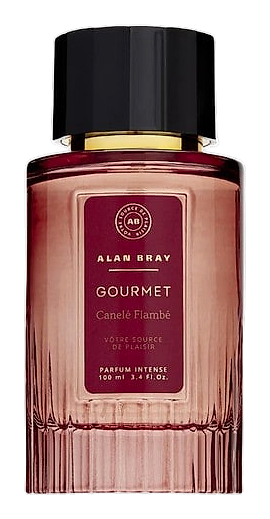
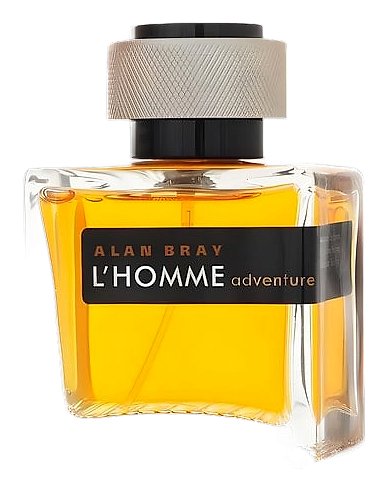
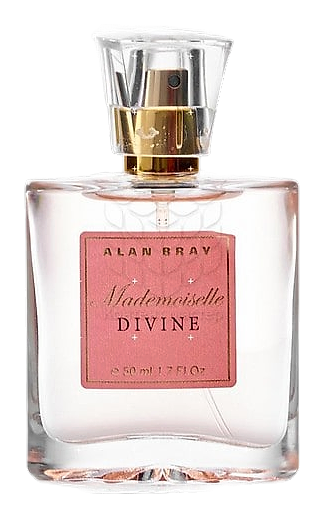
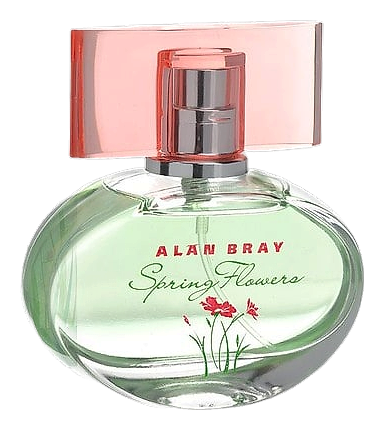
Alan BrayAlan Bray is a niche perfume house that builds a catalogue of more than ninety scents since the early 2000s. The brand releases fragrances that often pair unexpected ingredients, such as cherry and almond in its Canelé Flambé (2024) or the bright floral accord of Spring Flowers (2013). Each launch arrives with a distinct personality, inviting collectors to explore a spectrum that ranges from the masculine L'Homme Noble (2025) to the daring High Society L'Imperatrice (2024). The label operates out of Paris and reaches a global audience through specialty retailers and online platforms.
The Creator
Alan BrayBray’s signature technique rests on a single, bold accord that dominates the composition. In Cherry Almond he pairs bright, fermented cherry with warm, nutty almond oil, letting the two notes intertwine for twelve hours without fading.