The Story
Why it exists.
The beginning
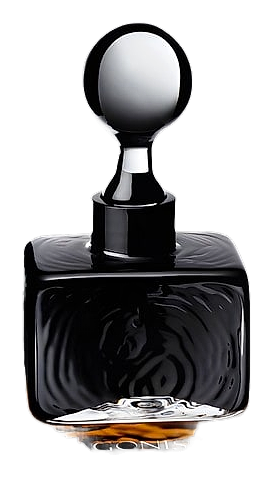
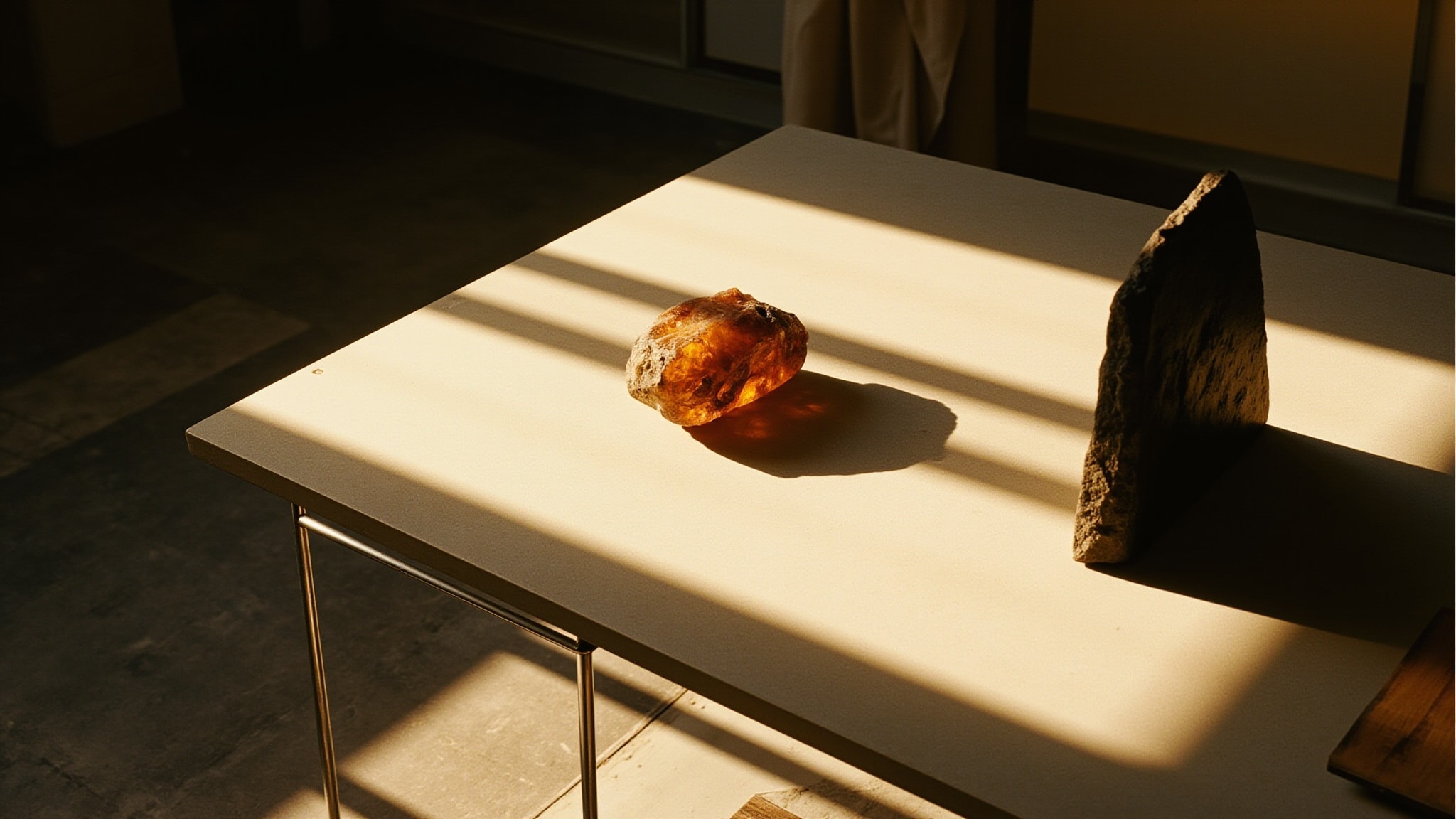
Black Amber, released in 2011, was an attempt to take one of perfumery's oldest materials and explore it differently. By 2011, amber was everywhere in niche fragrance, most of it warm, sweet, and undemanding. The desire was for something different, an amber that held its shape. Fabrice Pellegrin, the house's collaborating perfumer, delivered an amber with mineral undercurrents and a smoky core that felt less like a dessert and more like a landscape. The name says it plainly: dark amber, not the golden honey kind. This is an amber that sits close to the skin, that doesn't announce itself but rather reveals itself slowly, a material that rewards patience and attention. It is the kind of amber that makes you lean in rather than step back, that suggests rather than declares.
The structure is what makes it interesting: two incense entries, one in the top and one in the heart. Here it bookends the experience, opening the composition and then returning in the heart alongside nagarmotha and java vetiver. The red algae in the top is the real left turn. It is rarely used in Western perfumery, and when it appears, it is usually in aquatic fragrances that want to smell like the ocean. Using it inside a smoky amber is the move that makes Black Amber feel like itself rather than a variation on a known theme.
The evolution
The opening hits with incense and labdanum first, smoke and resin arriving almost simultaneously. Then the davana arrives with its herb-fruit bite, its slightly bitter edge cutting through the richness. Beneath it all, the red algae makes itself known, not oceanic, but mineral, like damp stone. As the fragrance develops, the heart takes over: tobacco blossom softens the incense, cedar adds structure, and the nagarmotha brings an earthy bitterness that grounds everything. The base notes arrive and stay. Ambergris and styrax form the backbone while sandalwood, patchouli, and vanilla weave through. This is where Black Amber earns its name, the amber here is dark and resinous, not sweet. The drydown settles into something skin-warm and close, a presence that lingers without projecting.
Cultural impact
Black Amber arrived at a time when dark, smoky fragrances were finding their audience in the niche segment. It offers amber's warmth without the sweetness typical of the style. The house's approach, treating fragrance as art object, attracts buyers who see scent as part of a broader aesthetic identity. Those who gravitate toward Black Amber tend to want depth without drama, warmth that stays close rather than announces itself. It is a fragrance for people who are comfortable with restraint, who find satisfaction in the quiet rather than the loud.