The Story
Why it exists.
The beginning
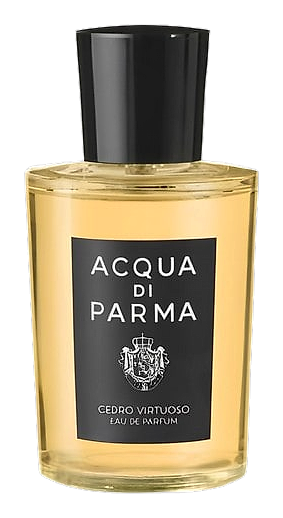
Cedro Virtuoso arrived in 2026 as part of Acqua di Parma's Signatures of the Sun collection, and its name is a thesis statement. A virtuoso is someone who has mastered their instrument so completely that technique becomes invisible, and Fabrice Pellegrin built this composition around that idea. The brand's official description frames it as a celebration of the sensorial warmth of creation, the moment when an idea begins to take shape and inner confidence turns sensibility into emotion. It is a fragrance about fluency, about a material so well-handled it stops showing off and starts simply existing beautifully.
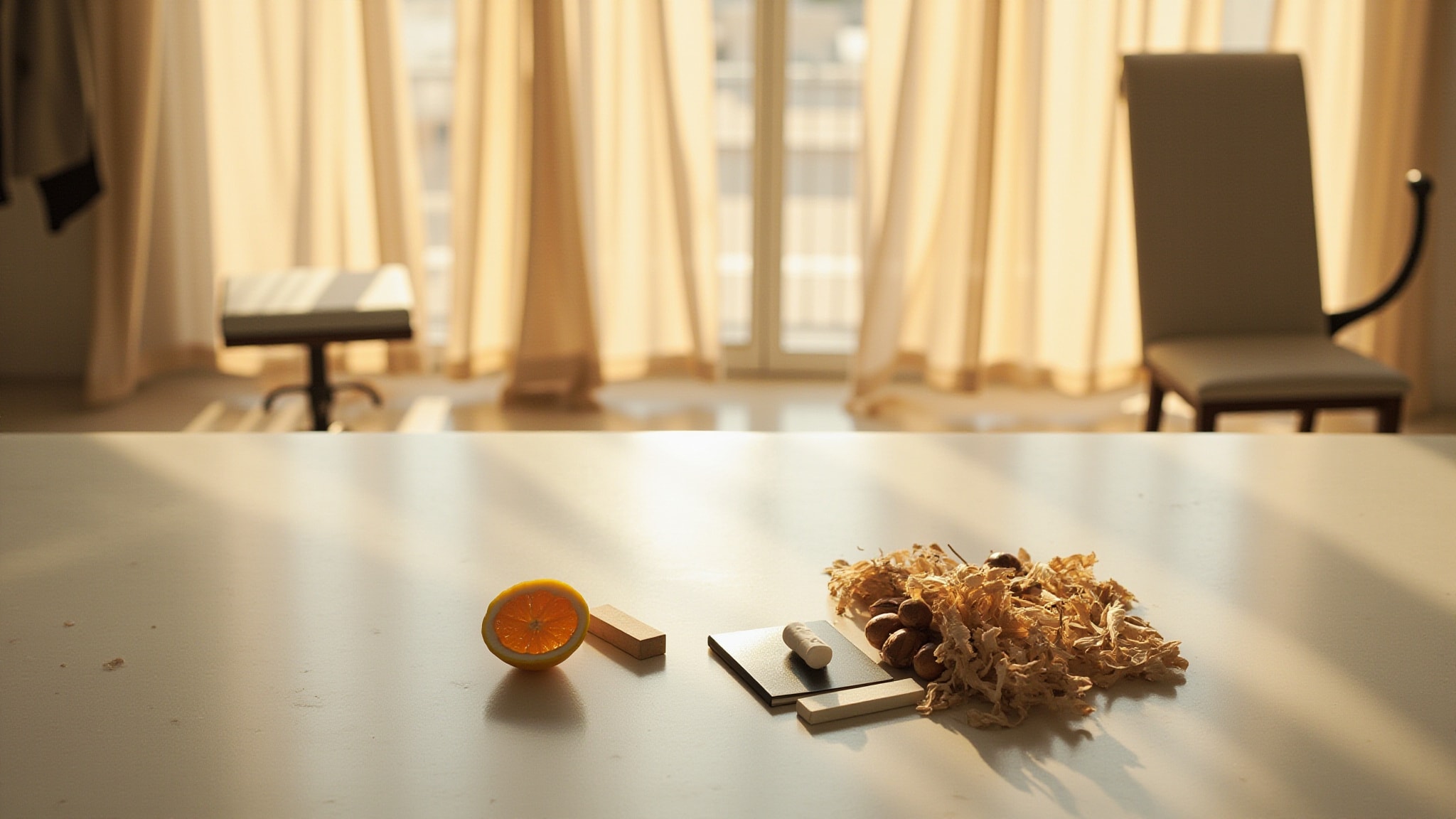
What makes the structure interesting is how Pellegrin stacks three distinct expressions of cedarwood, Virginia, Atlas, and Alaskan, into a single material narrative rather than treating them as interchangeable. Virginia cedarwood is co-infused with hazelnut at the top, where the nuttiness reads almost gourmand but stops short of sweetness. Calabrian bergamot keeps the opening from going too warm too fast, its bright citrus lifting the composition before the woods take hold.
The evolution
The first thirty minutes are the loudest Cedro Virtuoso ever gets. Calabrian bergamot cuts through with that particular Mediterranean brightness, a green-citrus snap that sharpens the hazelnut rather than letting it go sticky. Underneath, the Virginia cedar reads structural, almost architectural, the way cedar smells when you find it in a well-made violin case. A clean musk at the top keeps the whole thing aerated, so it never feels heavy in those first moments. By the one-hour mark, the citrus has mostly stepped back, and the composition settles into its namesake territory. Atlas and Alaskan cedar take over, joined now, not layered separately. This is where the fragrance earns its name. The cedar stops being a top-note announcement and becomes the whole fabric of the scent, warm without being smoky, dry without being austere. The hazelnut melts into the wood, turning the composition slightly creamy in a way that feels like skin rather than like dessert.
Cultural impact
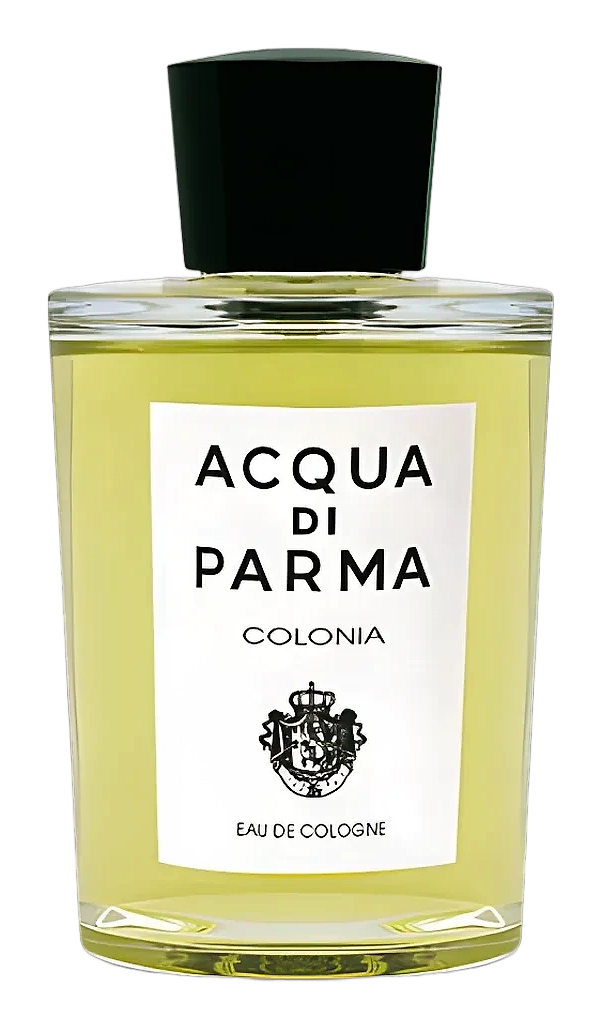
The hazelnut and tonka pull the wood toward edible territory without ever fully arriving there, a balancing act that keeps the composition feeling composed rather than gourmand. Within the broader catalog of cedar-led releases, the use of three distinct cedarwood varieties stacked together gives Cedro Virtuoso a layered texture that single-cedar compositions often lack. It also sits comfortably alongside the brighter, more classical Colonia tradition within the house's own line, offering a warmer counterpoint that still respects the same visual and olfactory restraint.