The Story
Why it exists.
The beginning
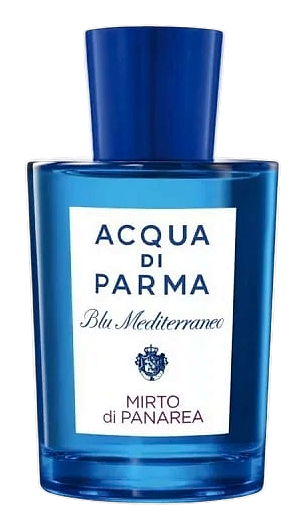
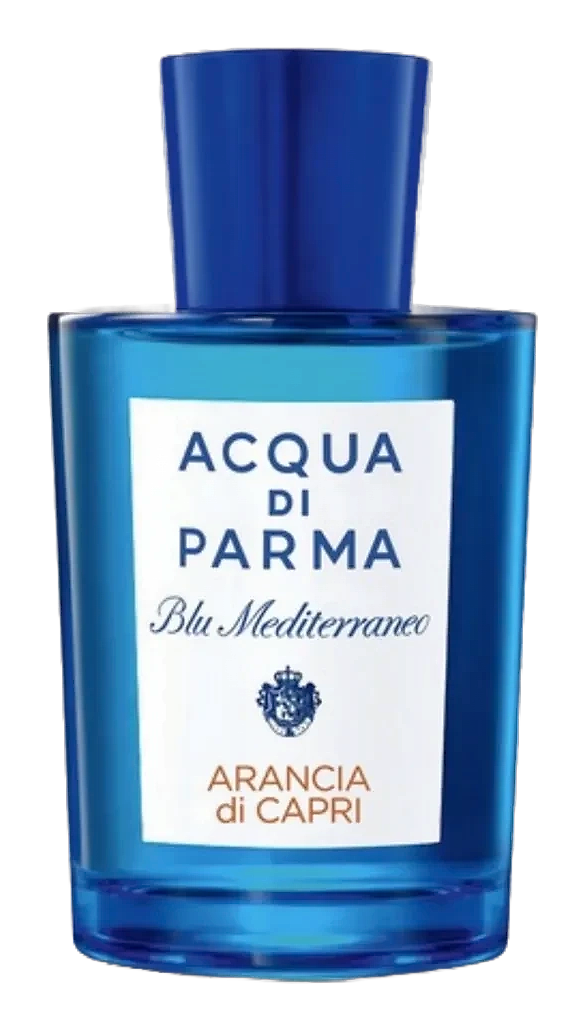
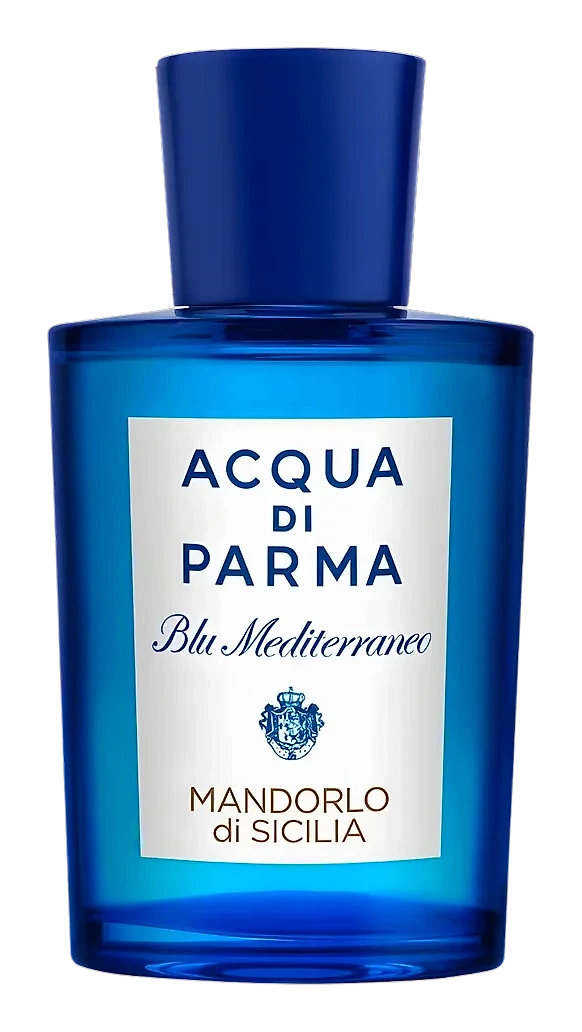
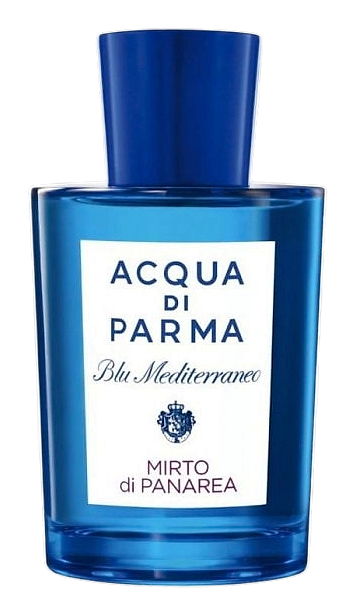
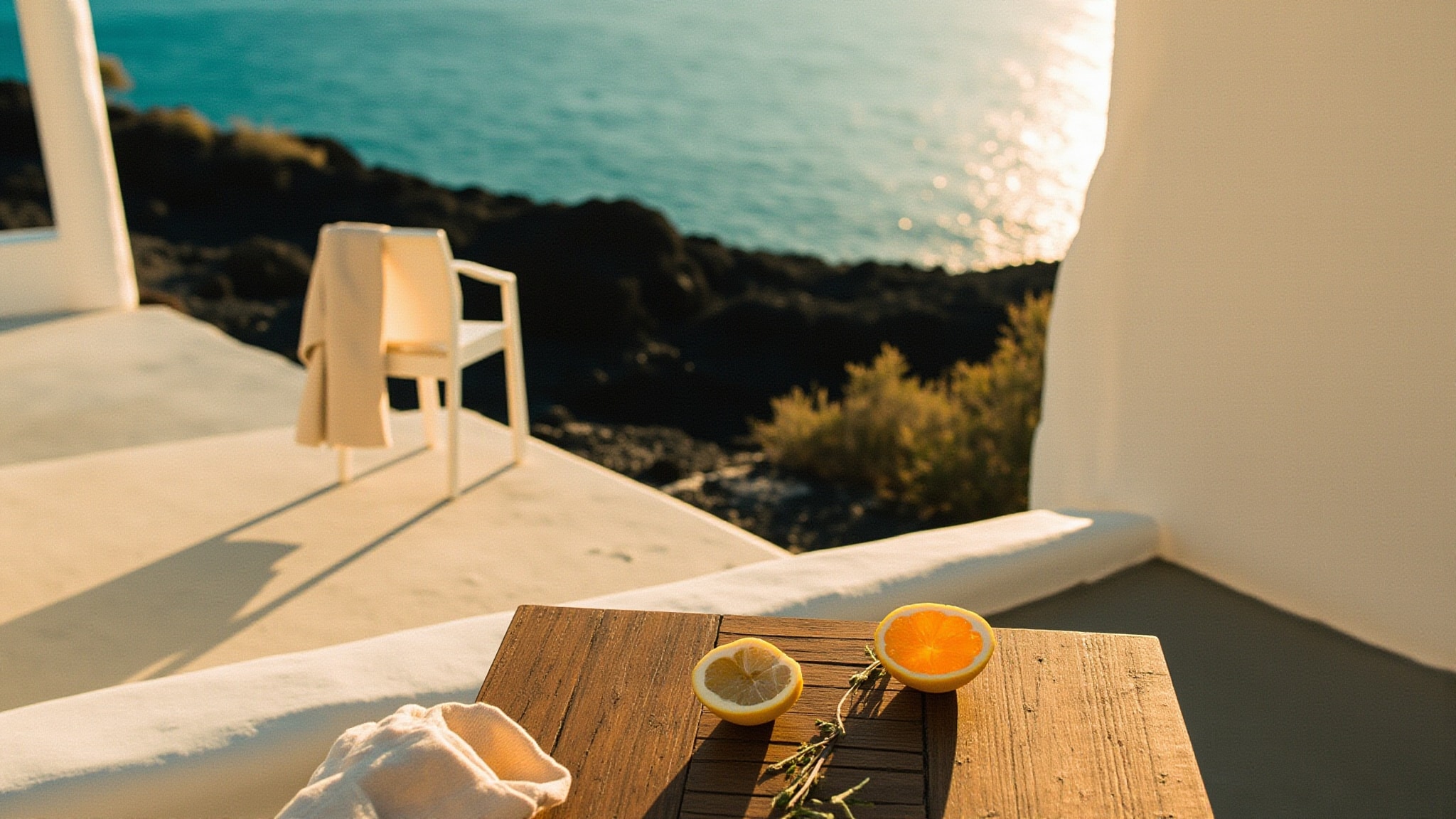
Mirto di Panarea is named for the small volcanic island off Sicily's northern coast, where wild myrtle grows between black sand and whitewashed walls. Launched in 2008 as part of Acqua di Parma's Blu Mediterraneo collection, it was composed by François Demachy to bottle that specific Aeolian landscape. The volcanic earth, the salt air, the herbs that survive the wind. The collection as a whole translates Italian coastlines into scent, and this one takes the quieter, greener end of that idea. Panarea isn't the dramatic island. It's the one you boat to for lunch, the one where nothing much happens and that's precisely the appeal.
Myrtle is the anchor, and it does unusual work here. Most green Mediterranean fragrances lean on fig leaf, olive branch, or sage, but myrtle brings something more aromatic and slightly medicinal, with a peppery lift that keeps the opening from collapsing into simple freshness. Pairing it with basil and Calabrian bergamot is a smart counterweight. The basil deepens the herbal side while the citrus keeps the whole thing airborne. The sea-breeze accord in the heart is the connective tissue. It bridges the herbal-aromatic top with the floral and lets the cedar and mastic at the base feel like driftwood rather than lumber.
The evolution
The first fifteen minutes are almost entirely green. Myrtle and basil dominate, with the Calabrian bergamot and Italian lemon doing bright, short bursts behind them, like sunlight moving across a wall. The opening feels more herbal than citrusy despite the lemon's presence, because the myrtle is that assertive. Then the jasmine and damask rose arrive, and the composition shifts from an open field to something more sheltered. The aquatic accord lands at the same time, and there's a moment, maybe forty minutes in, where the scent feels entirely different. Almost like a different fragrance. Cool, slightly humid, mineral. The rose is present but quiet. The cedar and juniper emerge gradually, and the mastic adds a subtle resinous warmth that wasn't there before. By hour three or four, the cedar has taken over, and the drydown is dry, woody, faintly salty. On a shirt collar the next morning, there's still a trace of juniper and something warm-amber underneath. It doesn't project far after the first two hours, but it holds its shape close to skin for most of a workday.
Cultural impact
Mirto di Panarea sits within the Blu Mediterraneo collection as the green, herbal counterpart to its citrus-forward siblings. It became a quiet favorite among people who want a summer scent without resorting to the usual aquatic cologne blueprint. The myrtle-forward structure gives it a recognizable signature that sets it apart from the dozens of generic fresh fragrances crowding the category. On forums and in niche circles, it gets mentioned alongside other Mediterranean-leaning compositions, but rarely in a competitive way. It's a fragrance that wears well outside of fragrance conversations entirely.