The Story
Why it exists.
The beginning
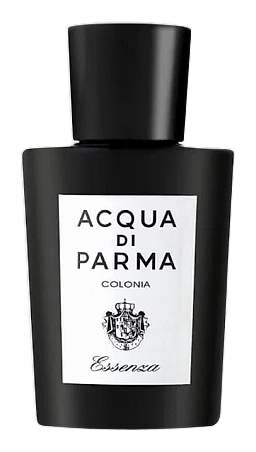
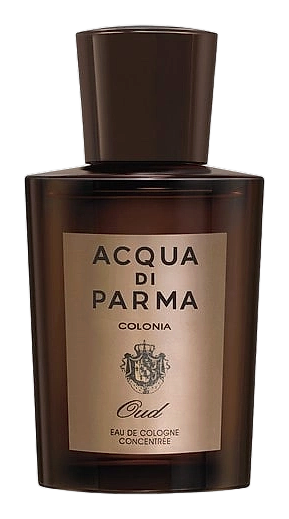
Acqua di Parma approached oud the way they approach everything, with intention and restraint. The house's founding citrus (Colonia) and this warm, resinous agarwood are natural counterparts: one speaks of open air and sunlight, the other of ancient forests and time. François Demachy spent 2012 finding where they meet rather than where they clash. The result is less 'introduction to oud' and more 'reconciliation.' Both materials keep their dignity. Neither overwhelms the other. It's a conversation between two very different worlds, conducted in perfect Italian. The citrus brightens without sharpening, the oud deepens without darkening, each note respecting the other's space while creating something richer together.
The structural choice here is everything. Rather than building oud as a foundation (the usual approach), Demachy positioned it at the heart, letting it develop alongside the citrus rather than waiting for citrus to clear the stage. This changes the experience entirely, you never get that moment where bright notes vanish and you're left with only dark woods. Coriander seeds the transition. Their slightly peppery, citrus-adjacent spice bridges the opening and the heart, so when oud arrives it doesn't feel like a separate fragrance taking over. It feels like the same conversation, just speaking a different language. Amyris adds a subtle sweetness that prevents the oud from reading harsh.
The evolution
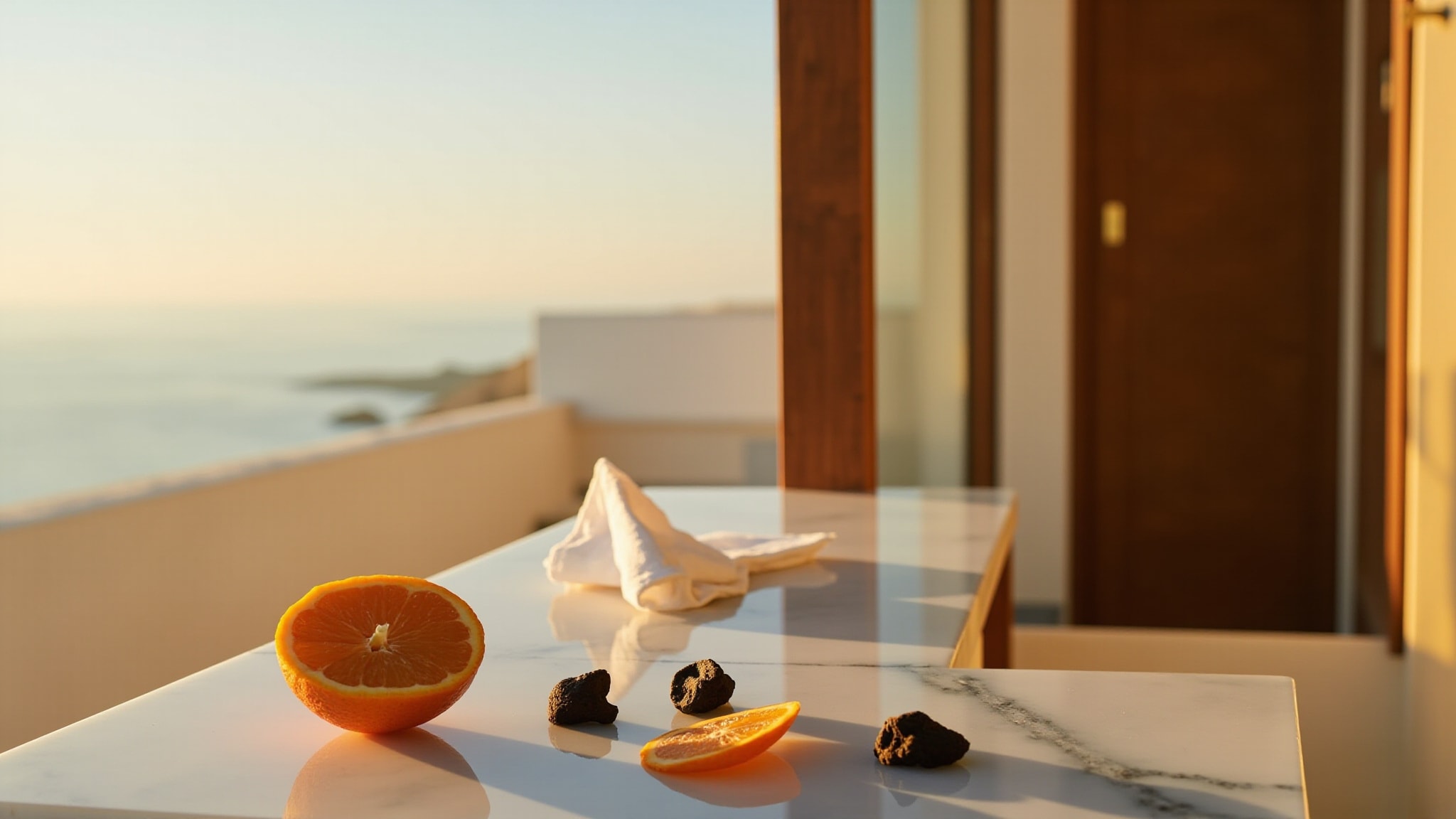
The first minute is pure Acqua di Parma, Calabrian bergamot and Italian orange at their most immediate. That characteristic citrus clarity arrives like morning light hitting a terrace. As the scent develops, the oud begins to surface. Not dramatically. More like a thought forming. The coriander adds a spicy green edge that keeps the transition from feeling too smooth, too predictable. About an hour in, the fragrance finds its middle register. Citrus has retreated but not vanished. Oud sits warm and resinous at the center. Amyris softens any jagged edges. This is the part that earns the word 'elegant.' The drydown is where it lives longest. Cedar and sandalwood dominate now, with patchouli adding earth and leather adding that unexpected artisanal texture. Musk keeps everything close, skin-warm.
Cultural impact
Colonia Oud arrived during the peak Western fascination with oud, offering a refined alternative for those who wanted agarwood's depth without its typical intensity. It occupies a specific niche: the man who wants oud's warmth and resinous complexity but prefers Italian restraint over Arabian boldness. The fragrance provided access to the material's rich, woody depth while keeping it from becoming overwhelming. That accessible sophistication rather than niche exclusivity has kept it relevant through the oud boom and into today.