The Story
Why it exists.
The beginning
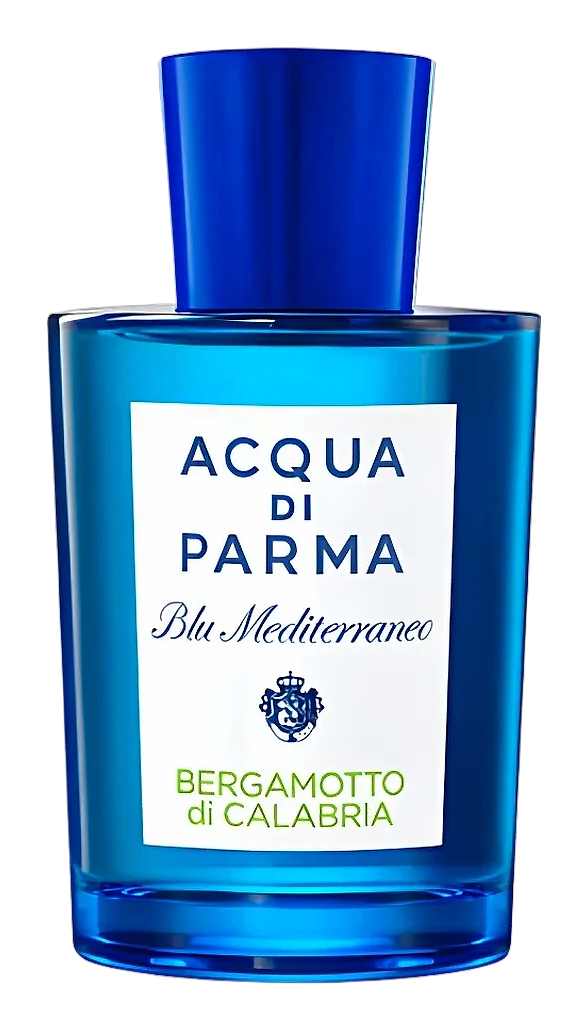
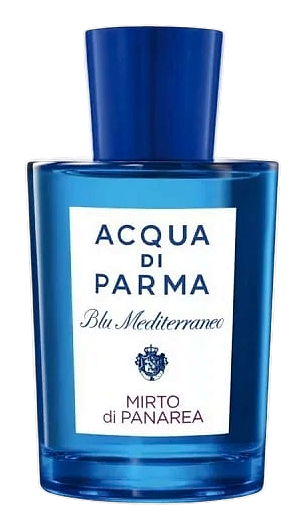
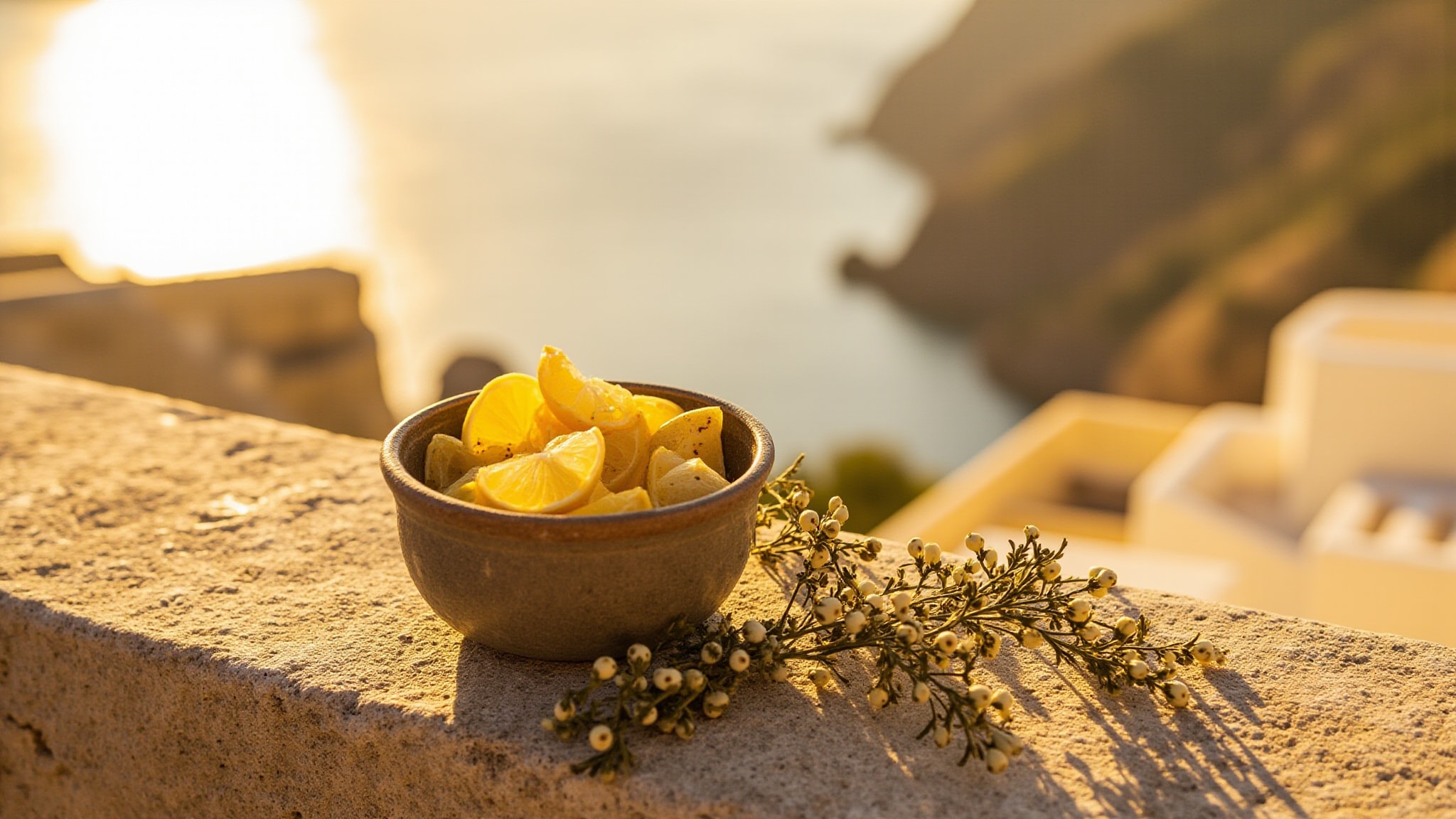
The Aeolian island of Panarea sits at the edge of the Tyrrhenian Sea, small enough to cross on foot before sunset. Its landscape is defined by myrtle, the evergreen shrub that grows along the coastline. When François Demachy composed Mirto di Panarea for Acqua di Parma's Blu Mediterraneo collection in 2008, he drew inspiration from the island's character. The green intensity of myrtle, set against salt air and bright citrus, gives this fragrance its particular signature. There is a clarity to the opening that feels honest, a sense that the ingredients are allowed to speak rather than being masked by heavy construction. The myrtle note threads through the composition from start to finish, anchoring the brighter elements without suppressing them.
What makes this composition distinctive is how it handles the tension between brightness and depth. The opening is unmistakably citrus-driven, Calabrian bergamot and Italian lemon throwing wide, but the myrtle underneath keeps pulling it back toward herbal territory. Where many Mediterranean fragrances lean entirely into the sparkling-top-note trap, this one maintains a more grounded character throughout its development.
The evolution
The opening hits sharp and clean, lemon and bergamot arriving simultaneously, with the myrtle and basil threading through from the first breath rather than waiting. The citrus begins to recede and the herbal core asserts itself fully: green, slightly camphoraceous, deeply Mediterranean. The sea breeze note arrives next, not as a dominant force but as a softening agent between the herbs and the florals, jasmine and Damask rose absolute offering just enough sweetness to keep the composition from becoming austere. The drydown belongs entirely to the juniper, cedar, and mastic: a woody resinous warmth that lingers close to the skin. The progression feels natural rather than abrupt, each phase giving way to the next without sharp transitions. The herbal heart remains present even as the woody base develops, creating a continuous thread that connects the opening to the finish.
Cultural impact
Since its 2008 debut, Mirto di Panarea has been a steady presence in the warm-weather wardrobes of those who prefer aromatic fragrances to florals. It occupies a specific niche within the Mediterranean fragrance category, offering a different proposition than many of its contemporaries. The myrtle note gives it a distinctive herbal character that sets it apart from releases that rely primarily on citrus and marine accords. For wearers seeking something that smells genuinely herbal without sacrificing brightness, it offers a balance that many aromatic fragrances struggle to achieve.