
The Story
Why it exists.
The beginning
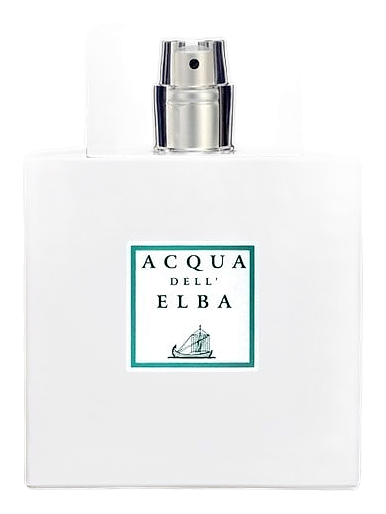
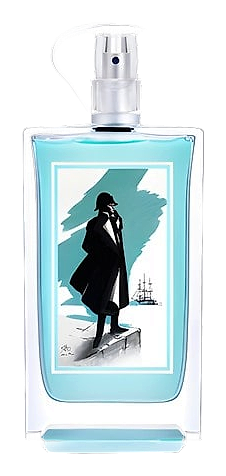
Napoleone Bonaparte draws its name from Elba's most famous exile, the brief island chapter of a life that burned through empires. The fragrance belongs to Acqua dell'Elba, an Italian house that draws its creative vocabulary from the island rather than from grand monuments. Elba's connection to Napoleon runs deep, a period of forced retreat after the thunder of continental campaigns, a stretch of coastline and stone where empire shrank in itself. The scent channels the landscape that held him: myrtle thick on the hillsides, rosemary sprouting wild between rocks, the constant salt breath of the Tyrrhenian. Citrus opens the composition with the same quick acidity you'd find in groves fed by sea air.
The composition sidesteps the obvious. Instead of building around lavender alone or leaning into a classical fougère, it threads seaweed through the heart like a quiet anchor. Juniper sharpens alongside it. Rosemary and myrtle share the opening, two Mediterranean herbs that rarely meet in a bottle, both rooted in the same coastline. Cypress and mastic close it with a resinous, bark-dry finish, more weathered colonnade than polished cologne. It is less about Napoleonic ambition than the landscape that slowed him down.
The evolution
The opening of Napoleone Bonaparte belongs entirely to a quartet of bright, aggressive top notes. Citron and lemon hit with a sharp citric acidity, almost startling in their clarity, the kind of zest that makes you blink. Rosemary and myrtle follow close behind, green and camphorous, cooling the citrus into something more herbal and Mediterranean. The first movement feels like stepping out of shadow into full coastal sun. Within minutes the heart settles in. Seaweed arrives not as a marine blast but as a low briny hum, something you feel more than smell at first. Juniper nudges the lavender slightly toward a medicinal register, giving the whole middle phase a barbershop honesty stripped of sweetness. The herbal notes don't compete; they layer, each one supporting the next. As the composition ages on skin, the base builds.
Cultural impact
Napoleone Bonaparte carries the weight of a historical name, yet the juice itself speaks in a much more localized dialect. The aromatic structure borrows from the classical Mediterranean masculine vocabulary, opening with sharp citrus, rosemary, and myrtle, then pivoting into a herbal heart shaped by lavender and juniper. Instead of coumarin-rich sweetness, the base turns to cypress wood, mastic resin, and oakmoss, materials pulled straight from Elba's coastal scrub. The result reads less like a heritage cologne and more like a botanical field guide translated into perfumery.