The Story
Why it exists.
The beginning
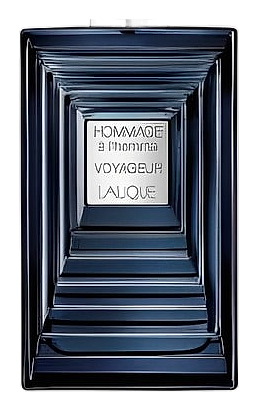
Michel Almairac and Mylène Alran created Hommage à l'Homme Voyageur in 2014. The fragrance carries Lalique's heritage into something earthier, less polished. The bottle, drawn from the house's 1931 Duncan Collection, echoes that sense of function and beauty, a crystal object that feels substantial in the hand. The design speaks to movement, to the act of going somewhere with intention. There is a weight to it, a density that suggests use rather than display. The house has always worked in materials that reward touch, and this bottle continues that tradition, its facets catching light in ways that invite the hand to turn it, to feel the cool crystal before the fragrance is even applied.
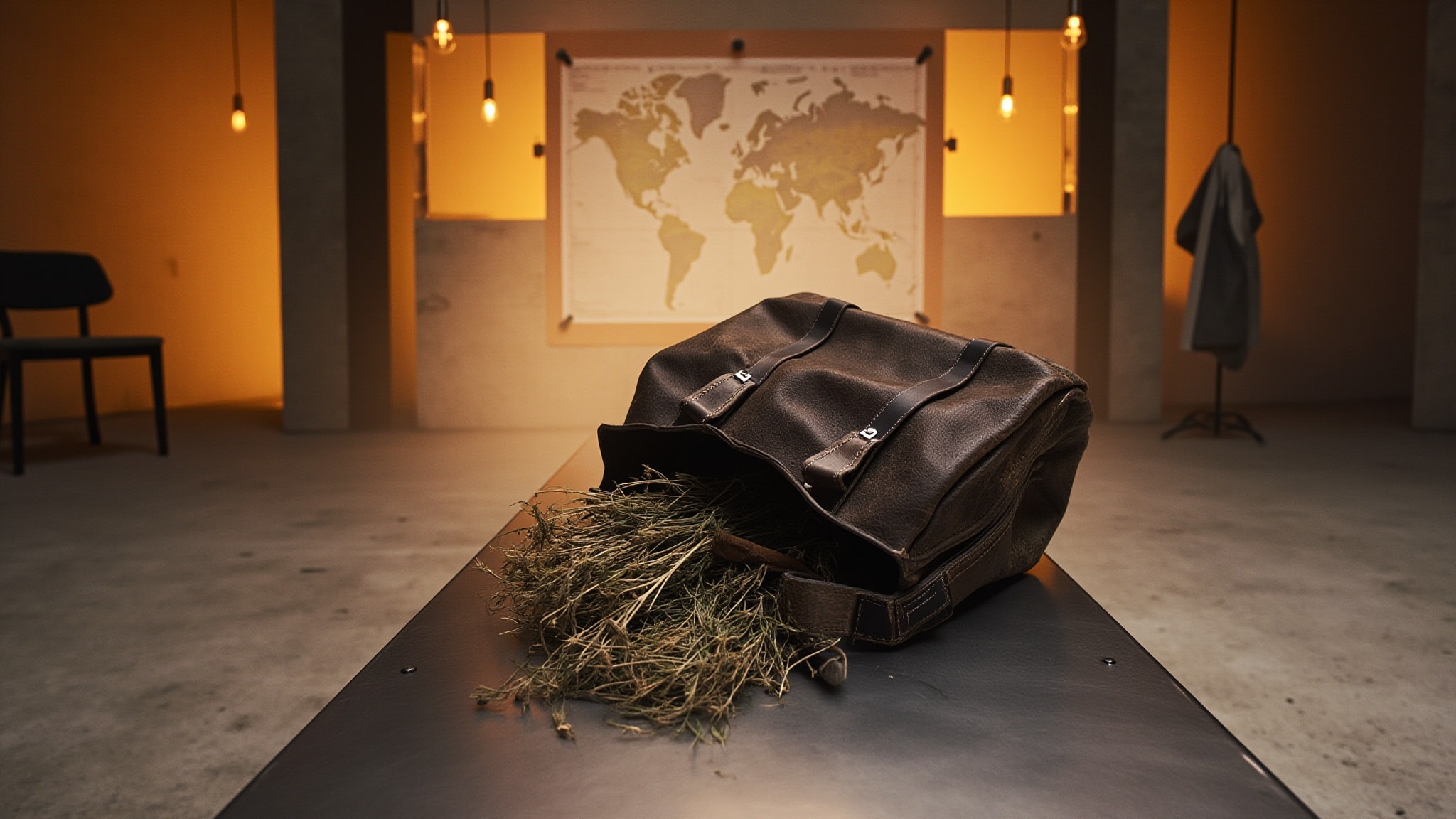
Bergamot and cardamom open sharp, almost cold, then the vetiver, patchouli, and papyrus arrive like an antidote. Papyrus is a dry, slightly bitter note, reading like old paper or weathered canvas. The combination of creamy cardamom with papyrus and moss gives the composition its distinctive character. The citrus and spice hit first, bright and clean, before the earthier elements arrive to deepen everything. Papyrus brings a papery dryness that stands apart from typical woody fragrance materials. The moss adds an organic, slightly animalic undertone that grounds the blend.
The evolution
The bergamot arrives first, bright and sharp. Cardamom follows, warming the citrus without softening it. Then the vetiver takes over, green and earthy, and the patchouli anchors everything with its characteristic depth. The papyrus emerges as a heart note, adding a dry, papery quality that separates this from a standard woody fragrance. The amber and vanilla arrive in the drydown, warming the composition into something intimate and close. On fabric, the scent lingers with faint vetiver and moss, like a jacket left unpacked after the trip home. The progression moves from bright citrus to earth and wood, then settles into warmth. Each stage has presence without overwhelming the one that follows.
Cultural impact
Lalique entered the fragrance market in 1992 but built its reputation on crystal artistry dating to the late 19th century. The 2014 Hommage à l'Homme Voyageur release references the house's 1931 Duncan Collection, where René Lalique created Art Deco crystal pieces featuring travelers and compasses. This fragrance positioned Lalique in the niche woody-aromatic market, bringing the house's established aesthetic into a category it had not previously explored in depth. The papyrus-vetiver combination offered something distinct from typical masculine fragrances of the period, providing an herbal, papery quality that set it apart.