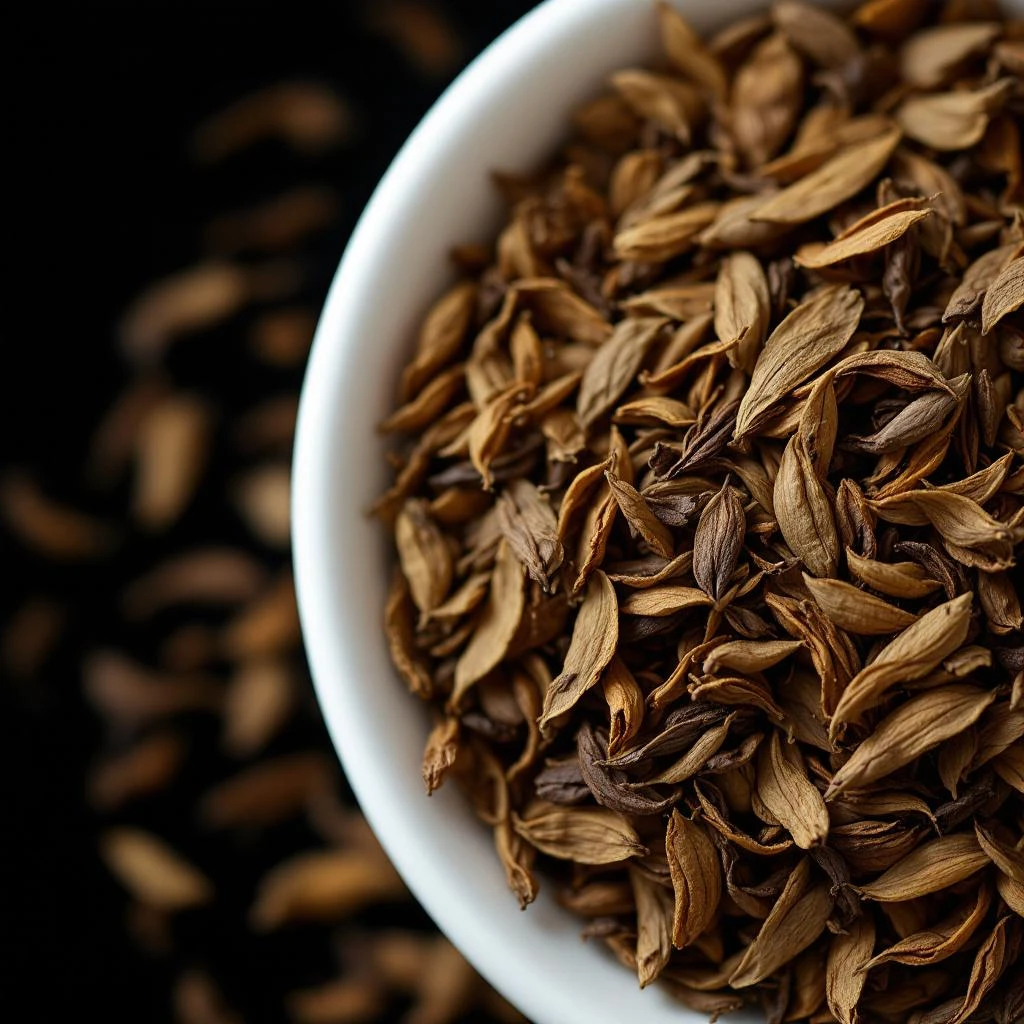
Lily-of-the-valley Leaf
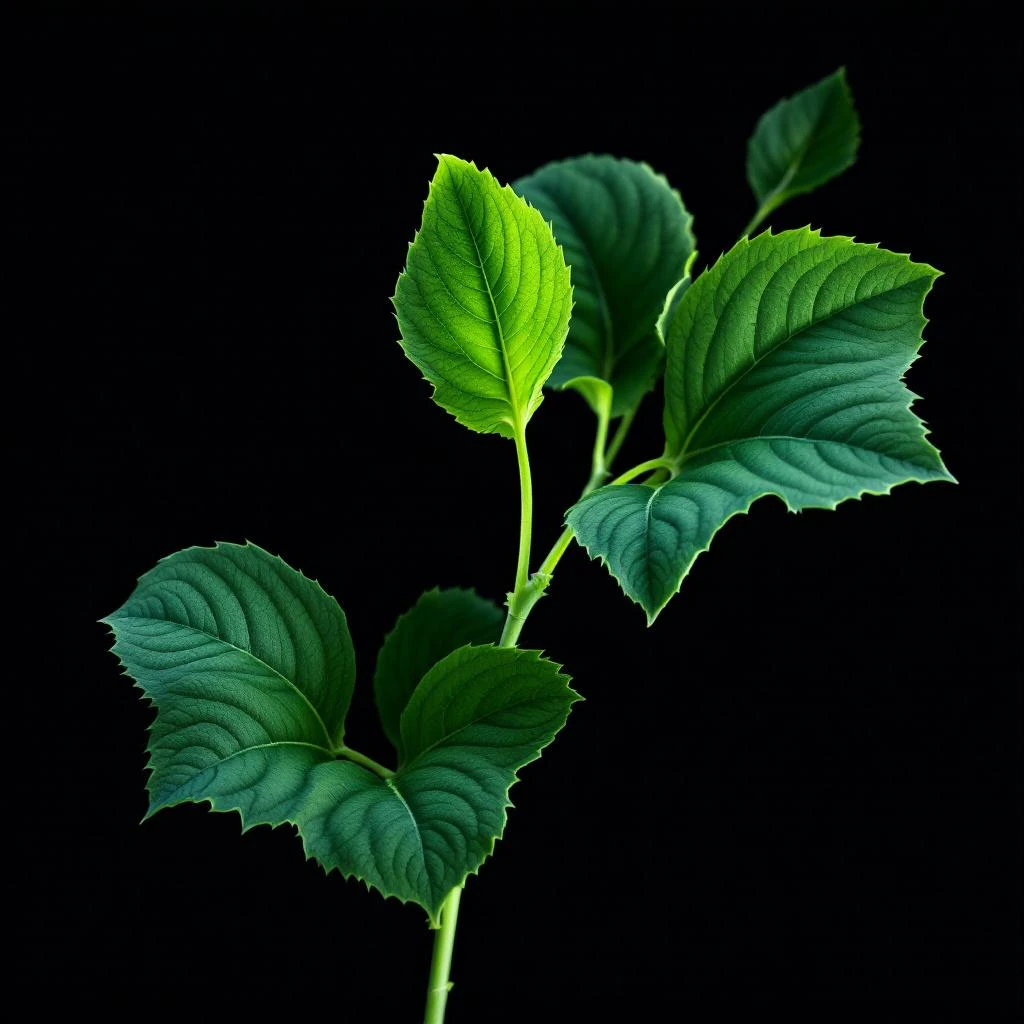
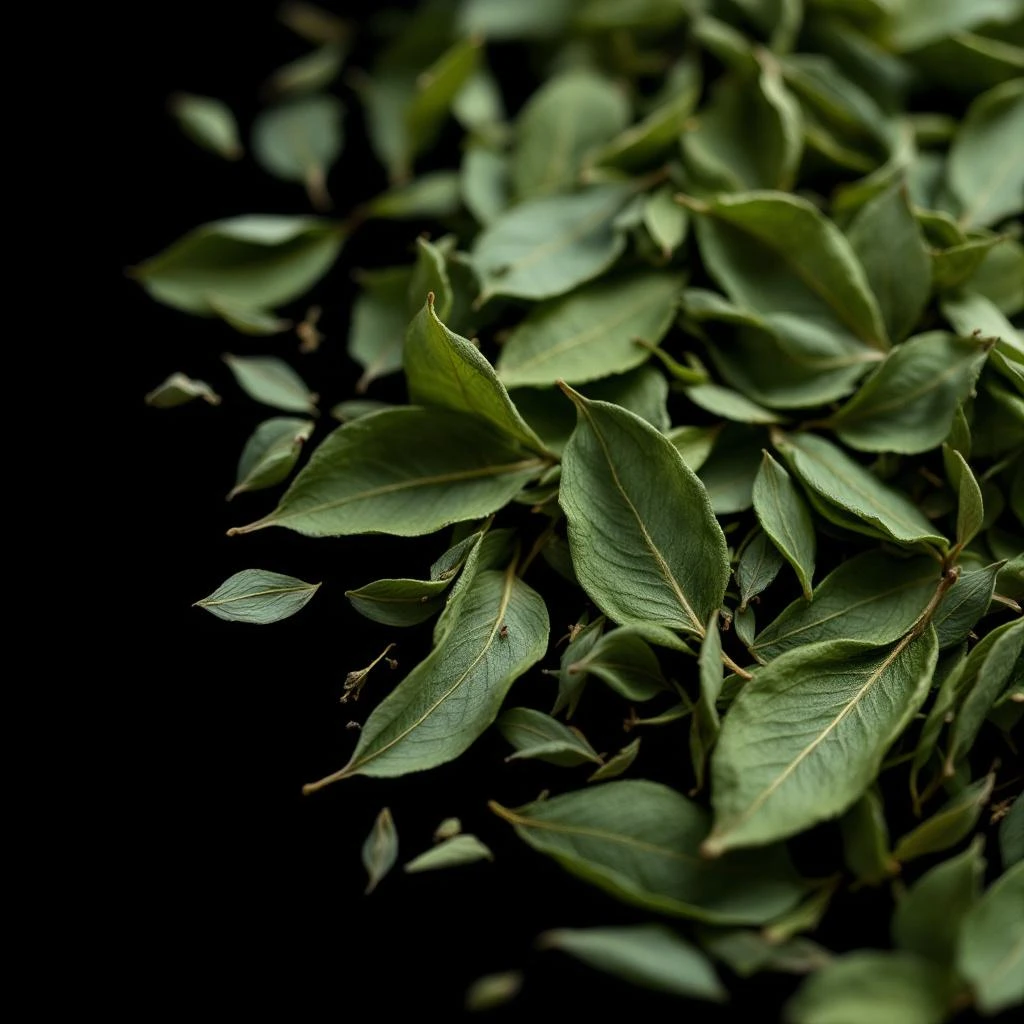
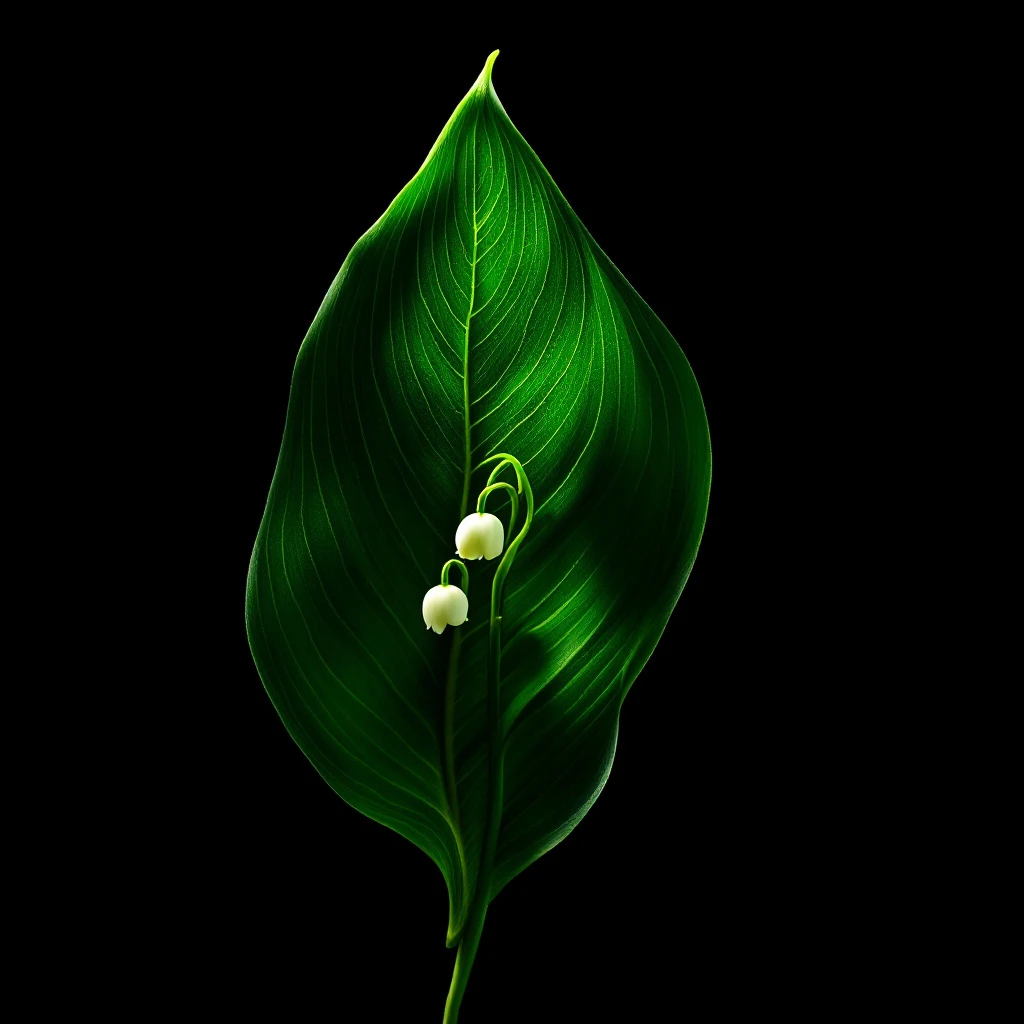
Lily of the valley leaf brings a fresh, green dimension to perfumery. While the flower remains mute and yields no extractable scent, the leaf offers perfumers a dewy, botanical freshness that grounds springtime compositions.
Character
How it smells
Green, dewy, quietly essential.
Lily of the valley leaf provides natural greenness that synthetic accord molecules alone cannot fully replicate, lending authenticity to botanical fragrances.




Origin
China
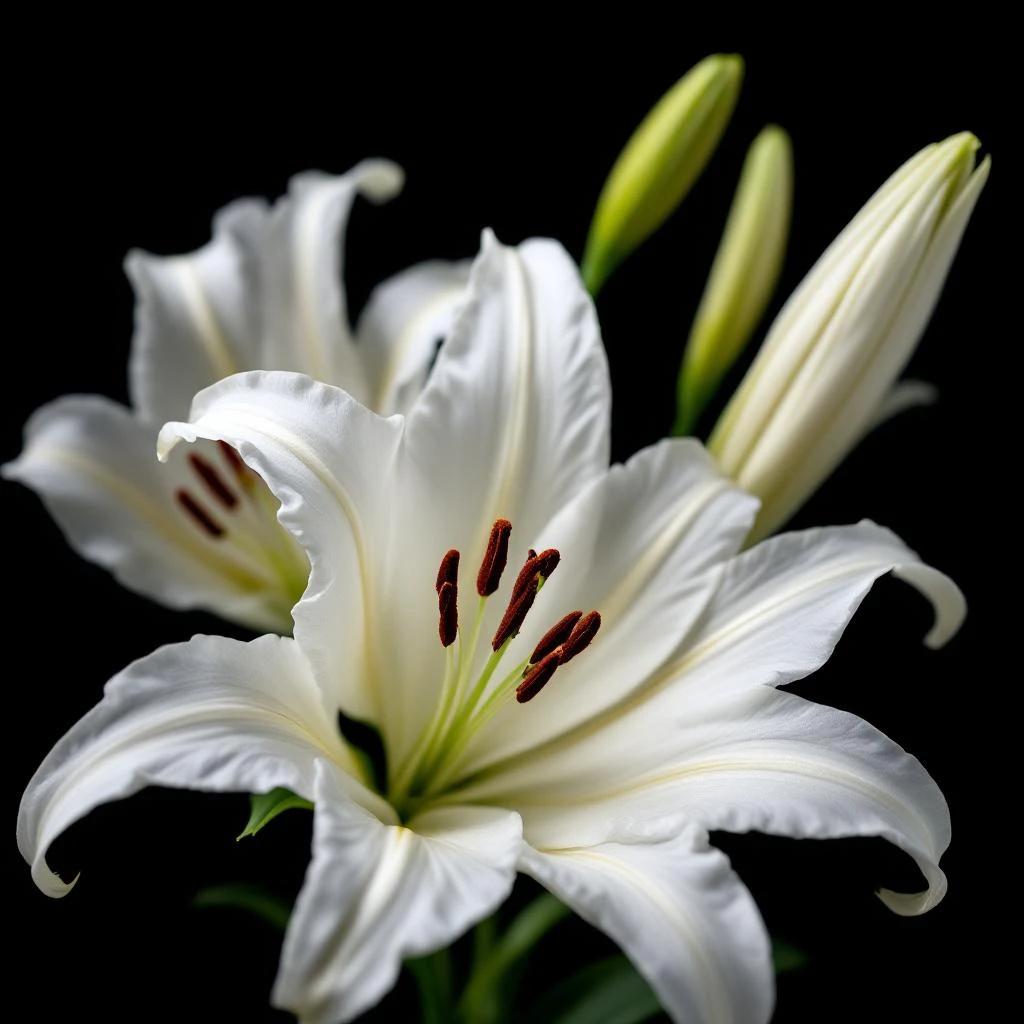
Lily of the valley, named Convallaria majalis in Latin, originates from China and has been known in France since medieval times. The English name reflects the plant's preference for slightly moist, shaded soils. The French name, muguet, carries no equivalent botanical meaning but became deeply embedded in French culture through May Day traditions where the flower symbolizes spring renewal and happiness.
By the 19th century, perfumers had embraced lily of the valley for its delicate, fresh character, though they quickly discovered the central paradox of this botanical: it is mute. The flower produces no extractable scent, forcing perfumers to seek alternative paths. Early commercial products like Muguet de Mai, produced in Grasse in the early 20th century, offered lily of the valley-like bases derived from the whole plant matter.
The synthetic breakthrough came in 1905 when a German laboratory created hydroxycitronellal from citronella, enabling authentic reconstruction of the lily of the valley accord. Edmond Roudnitska's Diorissimo in 1956 demonstrated the full potential of these accords, composing an homage to Christian Dior using this green, fresh signature. Today, lily of the valley odorants account for over 20 percent of the total perfumery raw materials market, making them the most important single odor category in the industry.
Wears it best
Fragrances featuring Lily-of-the-valley Leaf
Brands
Brands known for Lily-of-the-valley Leaf
Good to know
Questions, answered
The essentials on Lily-of-the-valley Leaf in perfumery: how it smells, where it comes from, and how it behaves on skin.
Why is lily of the valley considered a mute flower in perfumery?
The flower produces no extractable aromatic compounds through any conventional method. Its scent cannot be captured via steam distillation or solvent extraction, forcing perfumers to reconstruct it synthetically using molecules like hydroxycitronellal and Lilial.
What role does the lily of the valley leaf play in fragrance composition?
The leaf contributes a fresh, green, slightly aldehydic character that adds botanical naturalness to accords. While not extractable itself, it serves as a reference point for green freshness that synthetic molecules struggle to fully replicate.
When did perfumers first synthesize lily of the valley scent molecules?
Hydroxycitronellal, the key molecule in lily of the valley accords, was first created in 1905 by a German laboratory derived from citronella. This breakthrough enabled the first authentic synthetic recreations of the scent.
What fragrance demonstrated the full potential of lily of the valley accords?
Diorissimo, composed by Edmond Roudnitska for Christian Dior in 1956, became the benchmark lily of the valley fragrance. Its green, fresh composition showcased how synthetic molecules could capture the delicate springtime character of the mute flower.
How significant is lily of the valley in the modern fragrance industry?
Lily of the valley odorants account for over 20 percent of total perfumery raw materials market share, making them the single most important odor category globally.
Where did lily of the valley originate botanically?
The plant is native to China and spread westward over centuries. France adopted it enthusiastically since medieval times, where muguet became central to May Day celebrations and spring symbolism.
Can natural lily of the valley bases be produced today?
Artisan perfumers occasionally produce natural bases using enfleurage-inspired techniques with the leaves, drawing on ancient Egyptian methods. These are rare, expensive, and prized by collectors seeking botanical authenticity.
What traditional technique influences modern botanical lily of the valley bases?
Enfleurage, an ancient extraction method from Egypt where fragrant botanicals were infused in animal fat, influences modern natural bases. Perfumers adapt this technique using the leaves to create rare botanical accords.