The Story
Why it exists.
The beginning
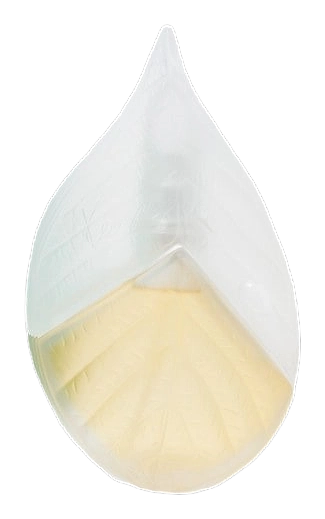
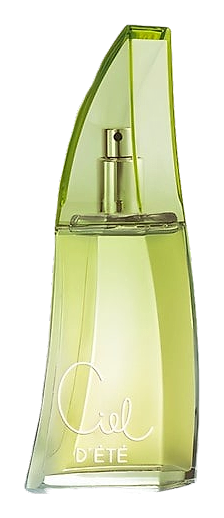
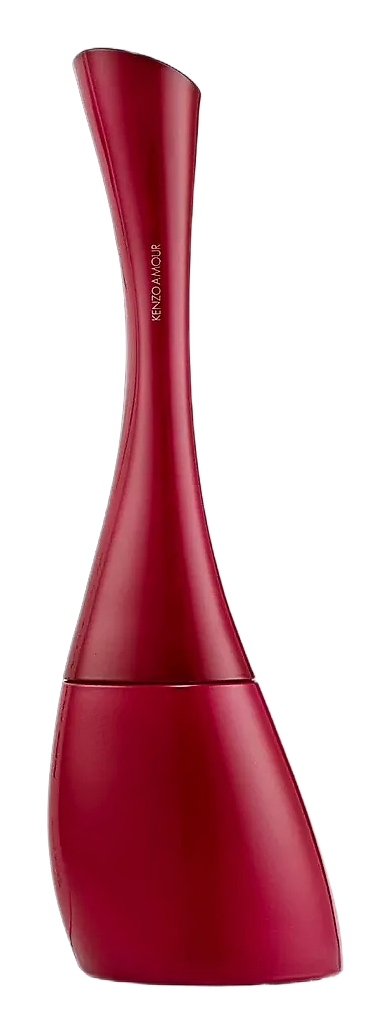
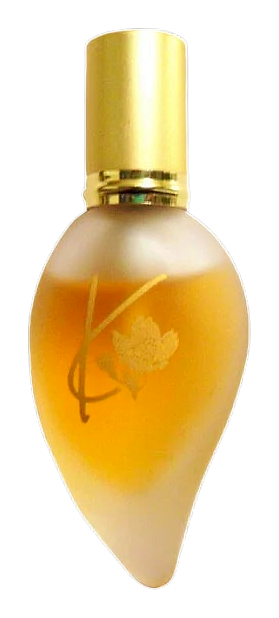
Parfum d'Été arrived in 1992, composed by Antoine Lie around a single idea: what does July smell like before the heat takes hold. The bottle, shaped like a leaf by Serge Mansau, signals the intent before you even crack the cap. The fragrance opens with a wall of green so immediate it borders on startling: think crushed stems, a wet edge that reads almost aquatic, and the cool snap of leaves still holding morning dew. There is no citrus spark, no fruit, nothing sugary trying to soften the blow. Instead, the raw materials carry the composition from the start. White florals drift in gradually, and the green backbone never really leaves; it simply shares the stage.
Most lily of the valley compositions chase the flower's imagined sweetness. Parfum d'Été leads with the leaf instead, which is a different creature entirely: more aqueous, faintly bitter, with the snap of chlorophyll under your thumb. The decision to anchor on the leaf rather than the bell changes the whole architecture. Hyacinth, jasmine, and peony arrive not as a bouquet but as a supporting cast, each one amplifying the green rather than competing with it. Sandalwood and white musk ground everything in a softness that never cloys. The result is a floral that behaves more like a botanical study.
The evolution
The first 15 minutes are pure green: crushed stems, a wet edge that reads almost aquatic, with the cool snap of lily of the valley leaf doing most of the talking. There's no citrus spark, no fruit, no sweetness trying to soften the blow. Around the 30-minute mark, the white florals surface. Hyacinth arrives first, sharp and a little metallic, then jasmine rounds things out with its warm, indolic undertone, and peony drifts in soft. The green doesn't disappear. It just stops being alone. From the two-hour mark onward, the sandalwood shows up with a creamy, almost milky warmth. White musk settles in close, doing its quiet work. The drydown is where this earns its keep. The sandalwood deepens into something resinous and faintly nutty, the musk softens into a skin-like hum, and the residual green weaves through both like a faint memory of cut stems left in a glass of water.
Cultural impact
Parfum d'Été sits in the lineage of serious lily-of-the-valley compositions, admired for its refusal to sweeten the leaf into something more commercial. The green floral at its core reads almost monastic compared to the bright, fruity florals that crowd the broader market, and that austerity is part of what draws people to it. Wearers tend to describe it as their warm-weather signature, a scent for gardens, linen, and unhurried mornings. The composition's pared-back structure, with no citrus, no fruit, and no sugar to prop it up, makes it feel honest in a way that louder summer releases often don't.