The Story
Why it exists.
The beginning
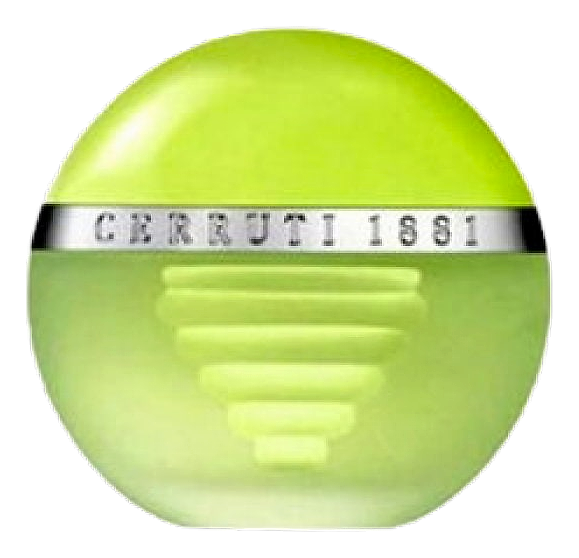
Eau d'Été arrived in 2003, a summer counterpart to Cerruti's classic 1881 line. Béatrice Piquet composed it. Fresh and floral, a green-leaning composition built around cyclamen and hyacinth rather than the usual citrus-led summer trope. Plum in the heart adds an unexpected sweetness, a soft fruit note that keeps the florals from going soapy. The opening has that cool, watery snap of cyclamen, almost cucumber-fresh, while the hyacinth layers in a greener, more grounded floral impression, the scent of flower stems and cool soil. As the plum emerges, it rounds out the edges, turning the crisp green opening into something warmer and more rounded without losing the freshness. It's the kind of scent designed for the season when you want to smell clean without smelling like nothing.
The choice of cyclamen over the more conventional bergamot or mandarin is the tell. Cyclamen has a watery, almost cucumber-cool quality, less zingy than citrus, more garden-fresh than sparkling. Hyacinth doubles down on that green-floral note, the smell of early spring bulbs pushing through cool soil. Together they create an opening that feels more like a walk through a wet garden than a typical summer splash. The plum in the heart brings something rounder, slightly jammy, a sweetness that sits underneath the green rather than on top of it.
The evolution
The first twenty minutes are all green: cyclamen and hyacinth pushing up through something damp and floral. Bright, almost watery. If you only smelled the opening, you'd swear this was an aquatic. Then the plum surfaces. It blooms quietly into the peony and jasmine, turning the fresh opening into something softer and rounder. The transition takes about thirty minutes, and for a moment the scent feels like a different fragrance entirely, warmer, more skin-like. Jasmine stays restrained, never indolic, just a thread of white floral through the plum's gentle sweetness. The plum itself feels almost translucent at this stage, less a fruit and more a soft rounding agent that takes the sharp edges off the green florals. The drydown is where sandalwood finally arrives. Creamy, quiet, barely-there warmth. It doesn't announce itself. The amber underneath adds a faint golden edge.
Cultural impact
Eau d'Été has earned a quiet following among wearers who wanted a summer floral that didn't lean on the typical aquatic or citrus template. Now discontinued, it survives in vintage bottles and in the memories of people who remember a specific kind of clean: green, floral, a little bit wet, the smell of a garden after light rain. The scent captures something seasonal and fleeting, the green-floral impression of early summer mornings when the air still holds moisture from the night before.