The Story
Why it exists.
The beginning
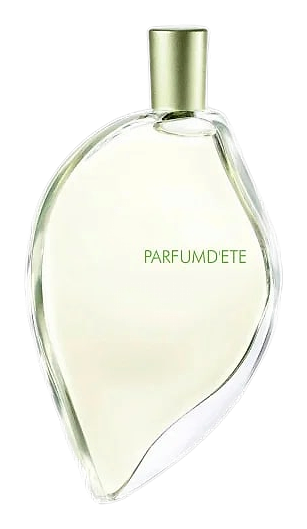
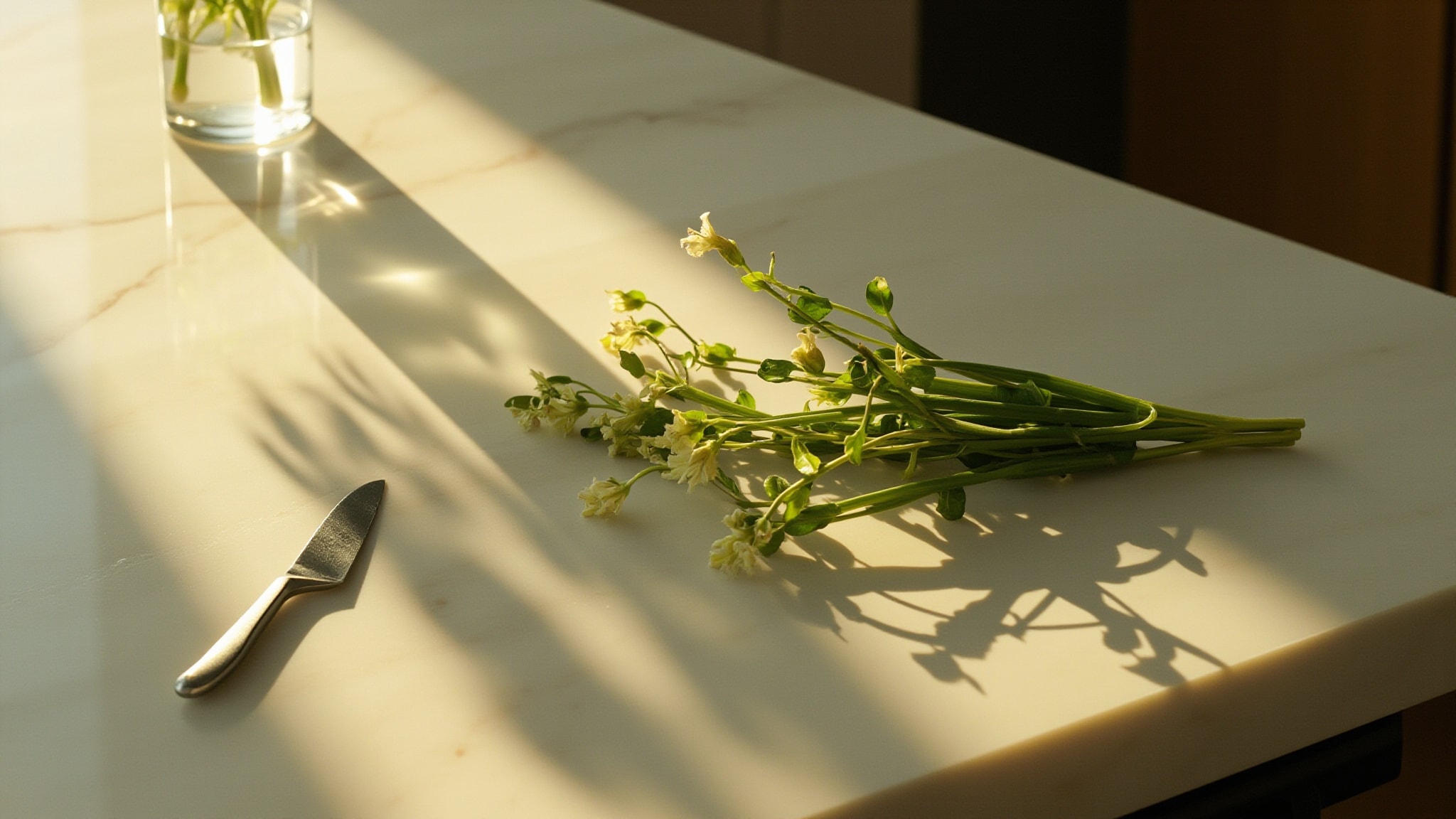
D'Été arrived in 2002 from perfumer Antoine Lie, the name means 'of summer' in French, and that season is the whole concept. The brief was clear: capture the moment before a garden fully opens, when stems are cut but flowers haven't bloomed. Lie worked with Kenzo's longstanding relationship with floral transparency, but pushed it toward something greener, more vegetal. The bottle, designed by Serge Mansau, mirrors the concept, a single leaf holding the juice, pure and simple. It was the house's answer to lighter wear, a fragrance that didn't chase power or projection but something rarer: that first morning in a garden, when everything is damp and possible.
The choice to open with lily-of-the-valley leaf rather than the flower itself is the tell. Most fragrances use the bloom, Lie used the stem. That's a more honest green, more vegetal, less sweet. The result is a fragrance that reads as fresh without being citrus, floral without being heavy. The heart layers hyacinth, jasmine, and peony, three different white florals with distinct characters. Hyacinth is cool and almost aquatic. Jasmine is warm, almost animalic. Peony is soft, rosy. Together they create a garden that's cool at the start and warm underneath. Sandalwood and white musk finish clean, holding the structure without adding weight.
The evolution
The opening announces itself immediately, lily-of-the-valley leaf, crisp and bright, like cutting something in the garden. Thirty minutes in, the white florals arrive. Not one at a time. All three at once, the way a garden actually smells. Hyacinth's coolness, jasmine's warmth, peony's softness, layered rather than sequenced. The green accord doesn't disappear; it deepens, becomes the thread running through everything. Around the two-hour mark, sandalwood and white musk emerge, soft and close to the skin. The drydown is quiet, clean, creamy. On fabric, it lingers into the next day, that faint green-floral ghost that makes you want to wear it again.
Cultural impact
D'Été arrived in 2002 as part of Kenzo's shift toward lighter, more transparent florals, a departure from the house's bolder signatures. Perfumer Antoine Lie designed it to capture the pre-bloom garden moment, green stems cut fresh before flowers open, a concept that aligned with early-2000s fashion's embrace of understated elegance. The fragrance struck a chord in a decade that favored strong, statement-making scents, offering instead a quiet confidence. Its green-floral transparency proved influential, and the era saw a wave of light, translucent compositions following its lead. D'Été helped legitimize restraint as a valid artistic choice in perfumery, proving that subtlety could be just as compelling as power.