The Story
Why it exists.
The beginning
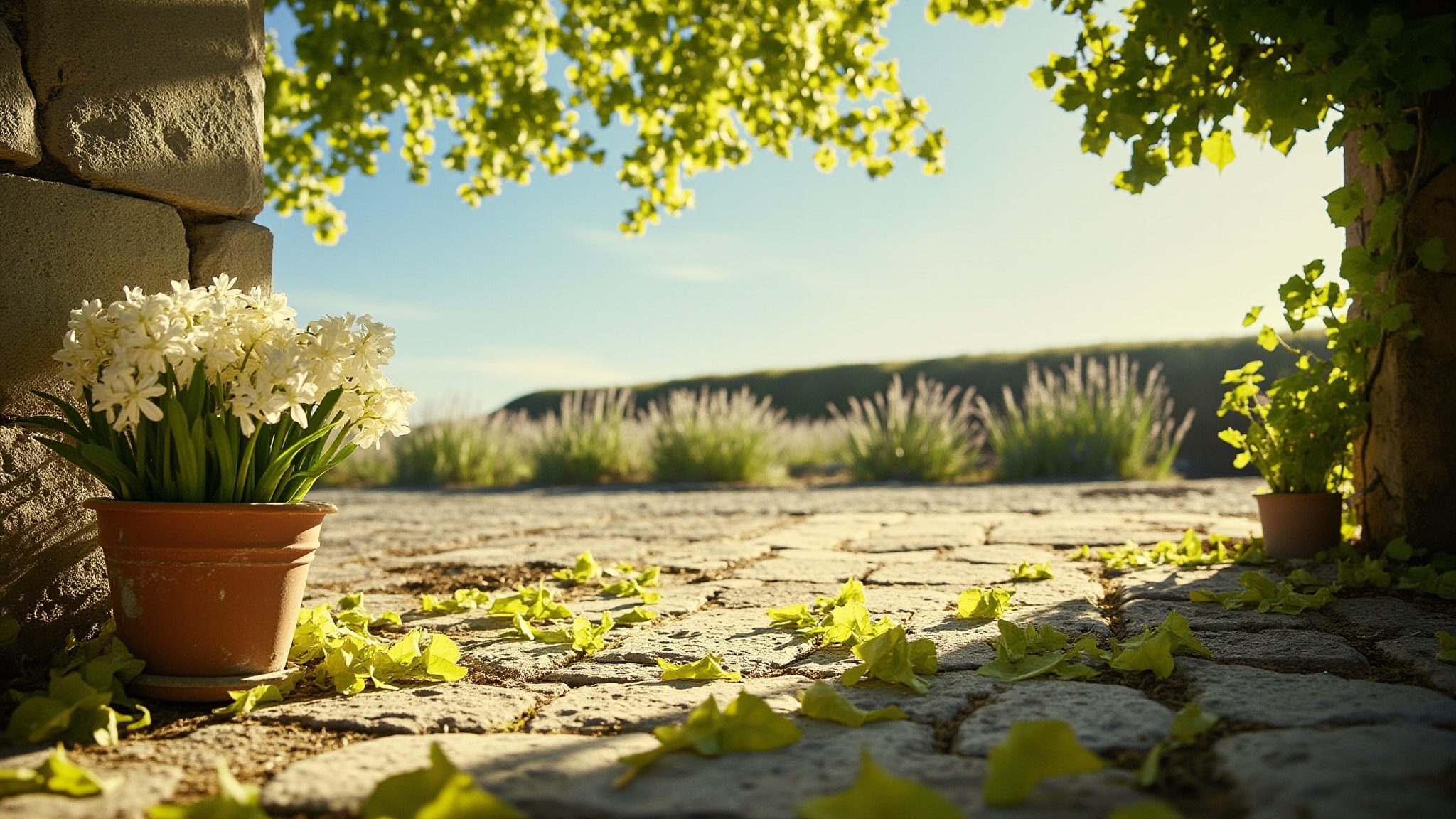
Parfum d'Été arrived in 1992 with a clear premise: capture the moment when summer light is at its brightest and the air still carries something green and alive. Antoine Lie, working alongside co-perfumer Jean-Claude Delville, composed a fragrance built less around heat and more around that fleeting window when foliage is at its most vivid. The scent opens with an immediate vegetal clarity, less flower shop and more the cool snap of a stem just broken between your fingers. There's a faint menthol-like coolness threading through the top, giving the whole composition an almost watery transparency that reads as outdoors rather than as perfumery. The name itself is the brief: summer, flowers, the kind of scent that makes you look twice at a leaf caught in the light.
What makes the composition distinctive is what Kenzo left out. No citrus sparkler, no heavy white-floral opulence. Instead, the opening rests on lily-of-the-valley leaf, a material that doesn't exist in most fragrance dictionaries but reads as the green, almost metallic snap you get right before the flower opens. It's a structural choice that keeps the whole thing hovering just above reality, more garden than perfume.
The evolution
The opening belongs to the leaf. A single, sustained green note that reads less like a flower and more like the stem snapped between fingers. There's a faint coolness, almost menthol-adjacent, that gives it an almost watery clarity. As the composition settles, the hyacinth arrives, slightly waxy, with that faint soapy edge the flower actually has when you crush it between your thumb and forefinger. Jasmine threads through quietly, never turning indolic or sticky, more a suggestion of white petals than a full floral statement. Then the peony opens up, and this is where the composition does something unexpected: instead of staying in the green-floral register, it warms slightly. Sandalwood and white musk rise underneath, and the whole thing softens into a second-skin effect that settles close to the skin. The drydown is where Parfum d'Été earns its reputation for restraint.
Cultural impact
Parfum d'Été has earned a quiet but devoted following among green-floral enthusiasts, a composition that still circulates in collector circles and vintage fragrance conversations well after its initial release. What makes it worth revisiting is its refusal to behave like a typical floral. It doesn't lean into sweetness, doesn't lean into indolic jasmine territory, and doesn't build toward the heavy base notes that anchor so many 1990s launches. Instead it holds its green character almost stubbornly, treating the watery, stem-snapped opening as a structural element rather than a passing accord.