Galaxolid
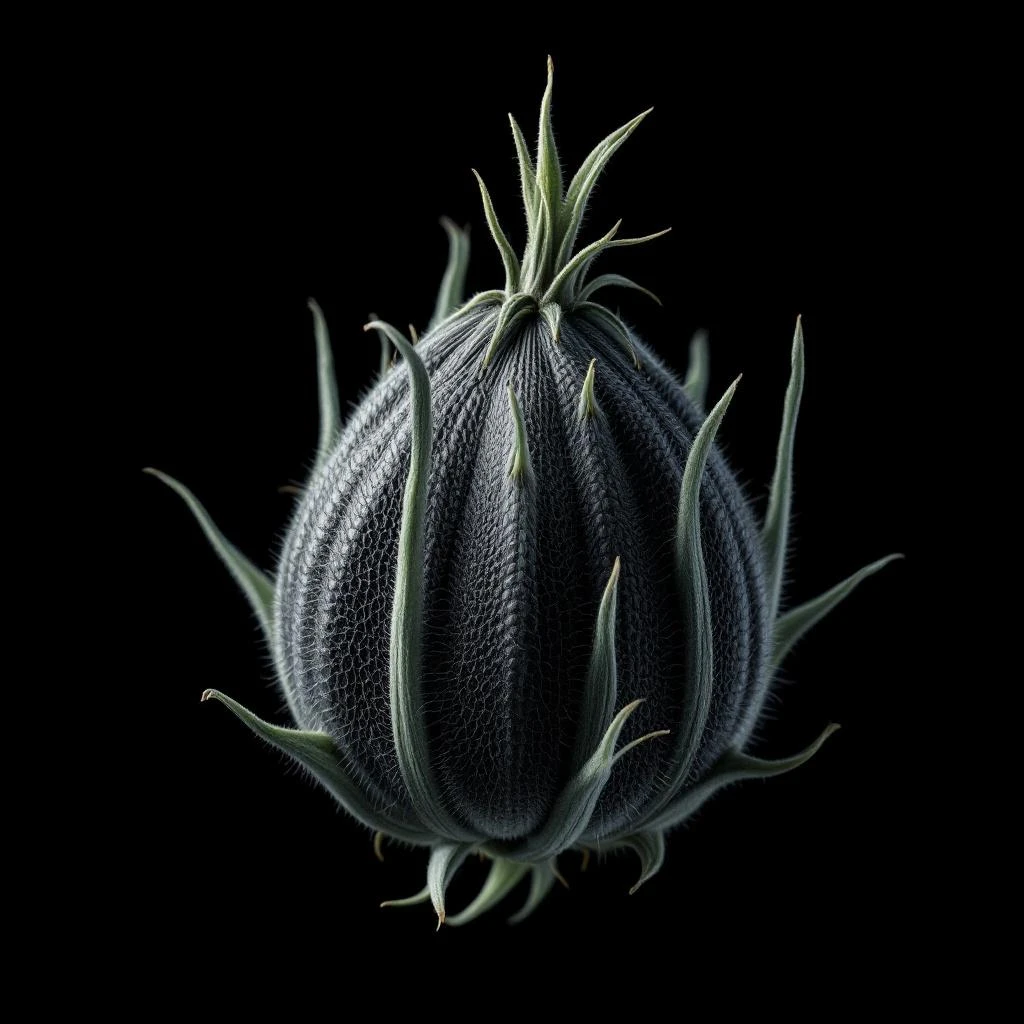
Galaxolide is a synthetic musk that delivers a clean, sweet scent with floral-woody undertones. First synthesized in 1956, it has become one of the most widely used fragrance ingredients in the world, prized for its longevity and diffusive power.

Character
How it smells
The modern musk that redefined clean, lasting fragrance.
Galaxolide accounts for the largest share of global synthetic musk production, making it one of the most industrially significant fragrance molecules ever created.








Origin
Switzerland
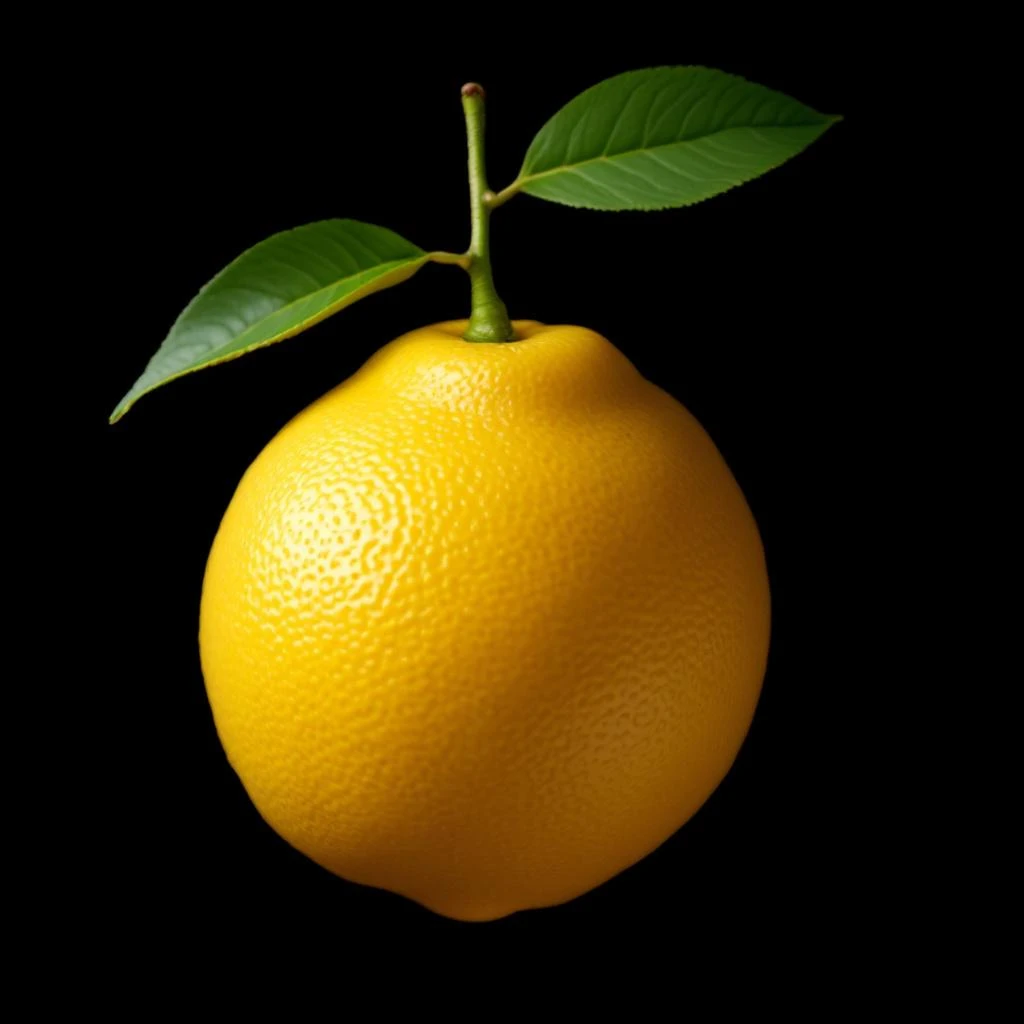
Firmenich, the Swiss fragrance house, first synthesized Galaxolide in 1956. The compound entered commercial use in the late 1960s, initially appearing in fabric softeners and laundry detergents.
Its adoption marked a turning point: consumers wanted fabrics that smelled fresh longer, and Galaxolide delivered that signature clean scent at low concentrations. The 1980s brought Galaxolide into fine perfumery as reformulations replaced environmentally contentious nitromusks.
By the 1990s, it had become a cornerstone of modern fragrance construction. Today, Galaxolide appears in everything from luxury eaux de parfum to everyday shampoo, a testament to its versatility and enduring appeal across six decades of use.
Wears it best
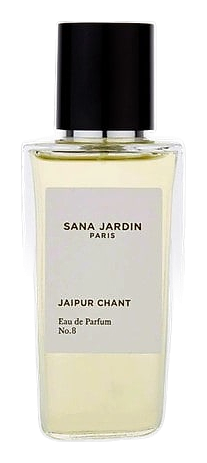
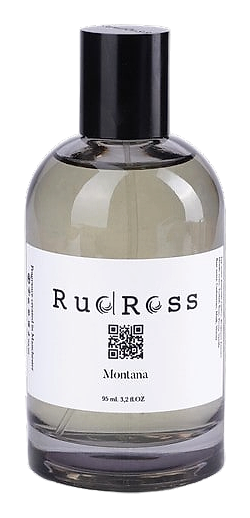
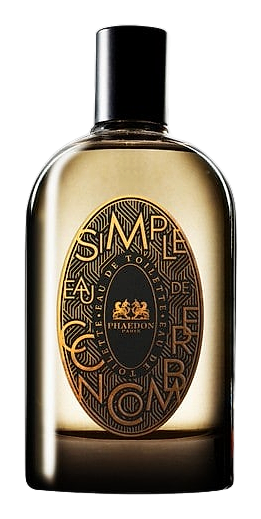
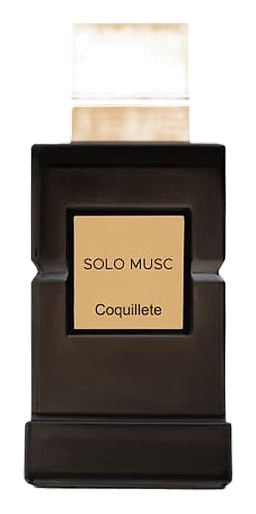
Fragrances featuring Galaxolid

Brands
Brands known for Galaxolid
Good to know
Questions, answered
The essentials on Galaxolid in perfumery: how it smells, where it comes from, and how it behaves on skin.
What does Galaxolide smell like?
Galaxolide presents a clean, sweet musk character with floral and woody undertones. Perfumers describe it as softer and more powdery than natural musk, with exceptional diffusive power that spreads scent throughout a space.
Is Galaxolide safe for skin use?
Regulatory bodies including IFRA and RIFM have approved Galaxolide for cosmetic use at standard concentrations. Studies show low skin sensitization potential at typical usage levels, making it suitable for leave-on body products.
How long does Galaxolide last on skin?
Galaxolide ranks among the most persistent synthetic musks. Its polycyclic structure resists rapid breakdown, allowing fragrances to remain detectable for 24 hours or longer depending on concentration and formulation.
What products contain Galaxolide?
Galaxolide appears in fabric softeners, detergents, shampoos, body lotions, and fine perfumes. Its versatility stems from stability across different pH levels and temperature conditions found in consumer products.
How does Galaxolide differ from natural musk?
Natural musks like deer musk require animal harvesting, while Galaxolide is fully synthetic and cruelty-free. The synthetic version offers consistency between batches and avoids the ethical concerns surrounding wild animal populations.
Does Galaxolide serve as a fixative?
Yes, Galaxolide functions as both a fragrance material and a fixative. Its molecular structure slows the evaporation of more volatile fragrance components, extending the wear time of entire perfume compositions.
What is Galaxolide's CAS number?
Galaxolide carries CAS number 1222-05-5. This identifier helps manufacturers and regulators track its use across industries and ensure compliance with safety assessments.
Why do perfumers prefer Galaxolide over other musks?
Perfumers value Galaxolide for its clean scent profile and exceptional performance at low concentrations. A small amount projects significantly, making formulations cost-effective without compromising on longevity or diffusion.