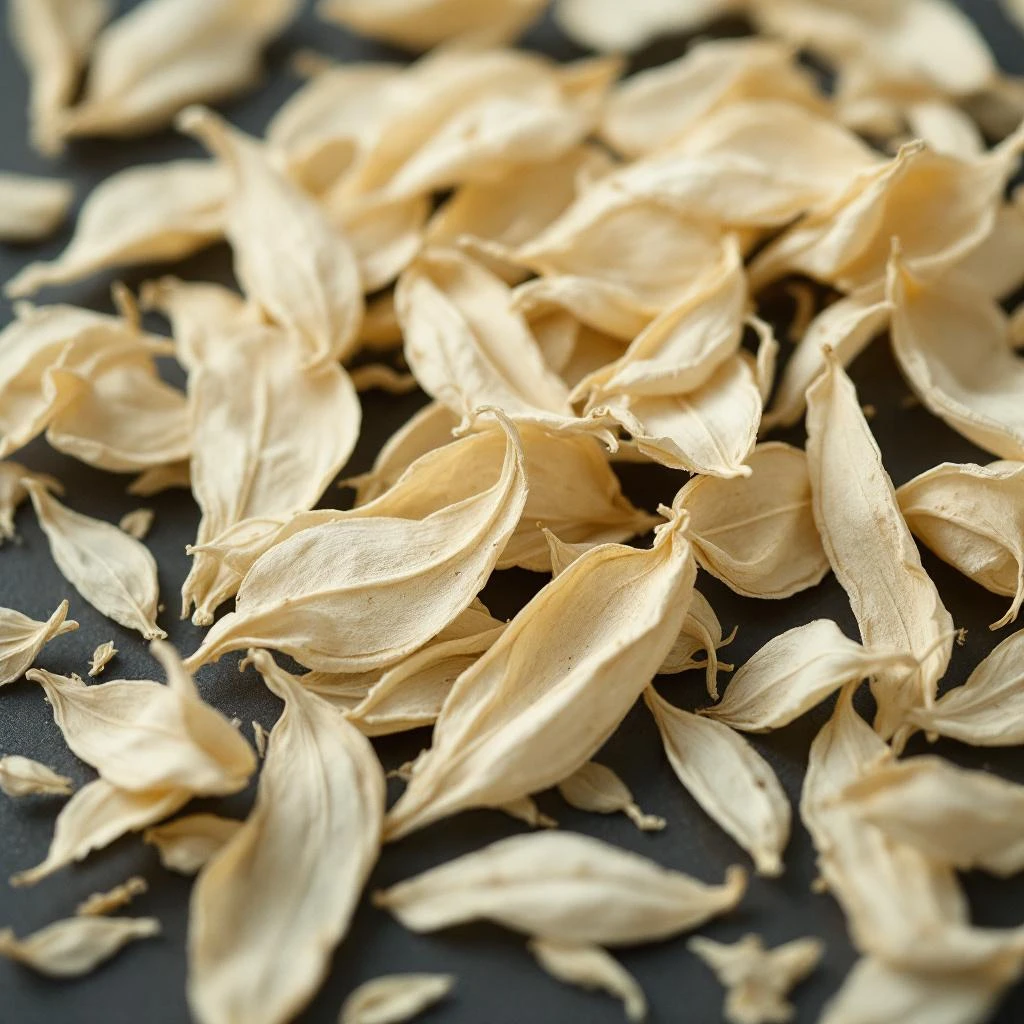
Muscenone
Muscenone replicates the warm, enveloping character of natural musk through precision chemistry, giving perfumers a sustainable alternative without compromising the rich, animalic depth that defines countless iconic fragrances.
Character
How it smells
Synthetic macrocyclic musk with authentic depth
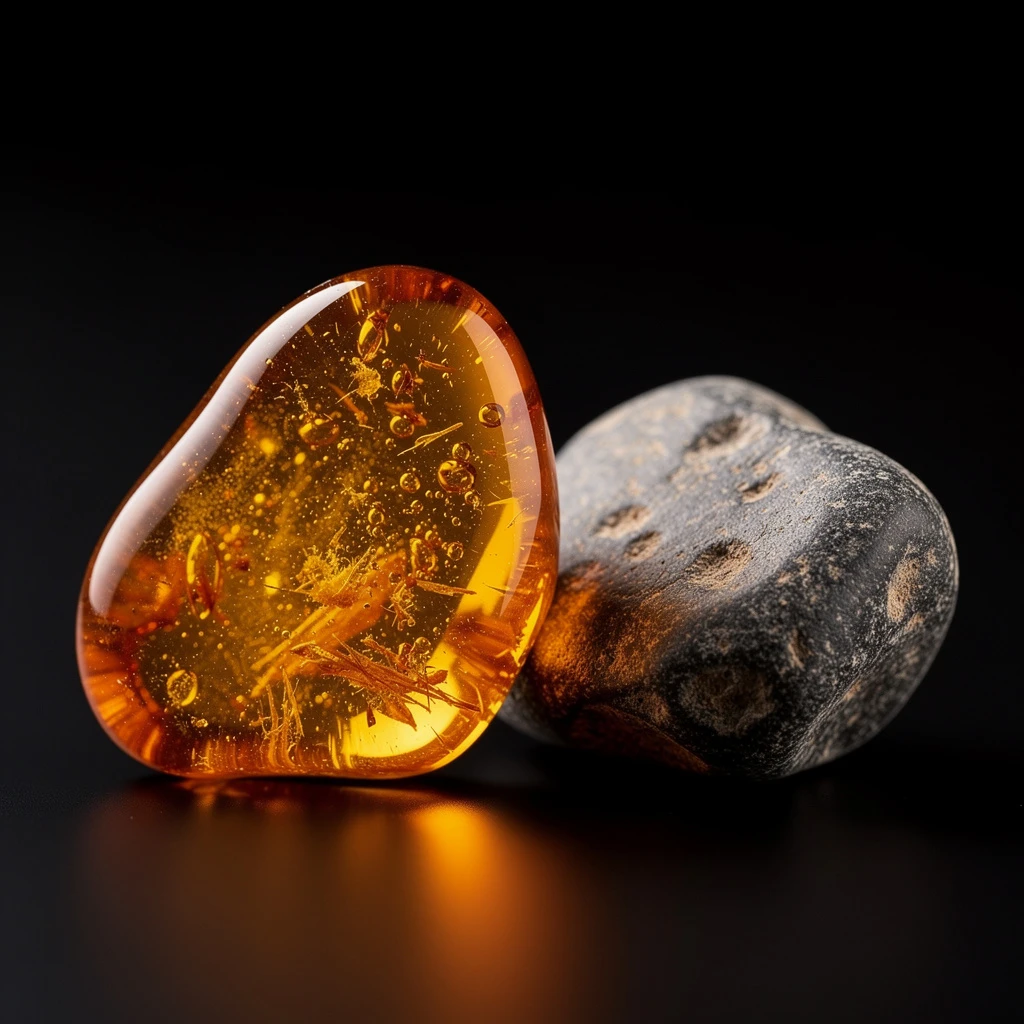
One kilogram of natural musk required killing over 160 musk deer, driving perfumers to develop synthetic alternatives like Muscenone.







Origin
Switzerland
Natural musk held sacred status in ancient civilizations from China to Persia, used in temple rituals and court perfumes for millennia. By the early 20th century, demand had decimated musk deer populations across Asia, creating both ecological crisis and supply instability for the fledgling modern perfume industry.
The biotech breakthrough mentioned in industry history finally enabled commercial production of synthetic musks, with macrocyclic ketones like Muscenone representing the culmination of decades of research. These compounds proved so successful at replicating natural musk's complex scent profile that they now dominate the fragrance industry's musk usage, preserving the characteristic warm, slightly animalic character that perfumers prize without the ethical and supply concerns of animal-derived ingredients.
Wears it best
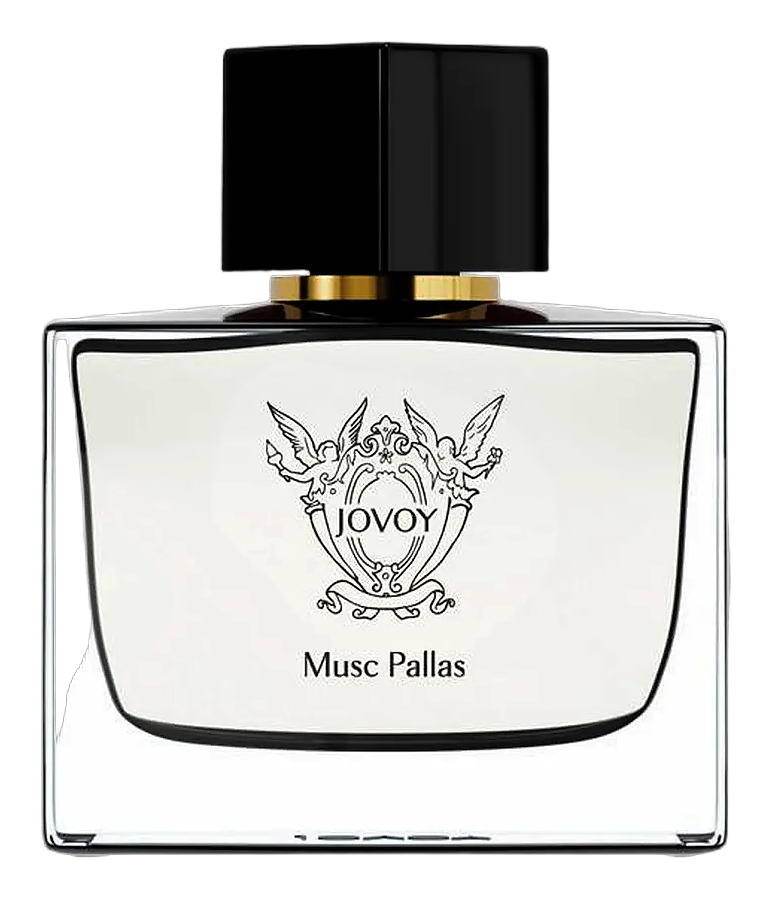
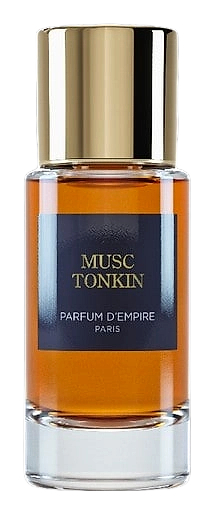
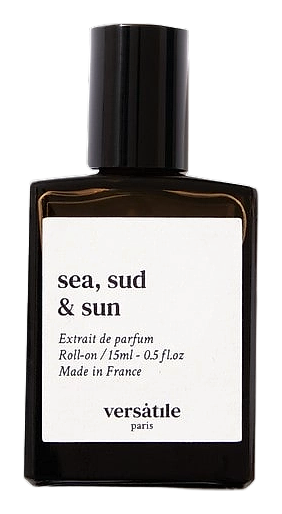
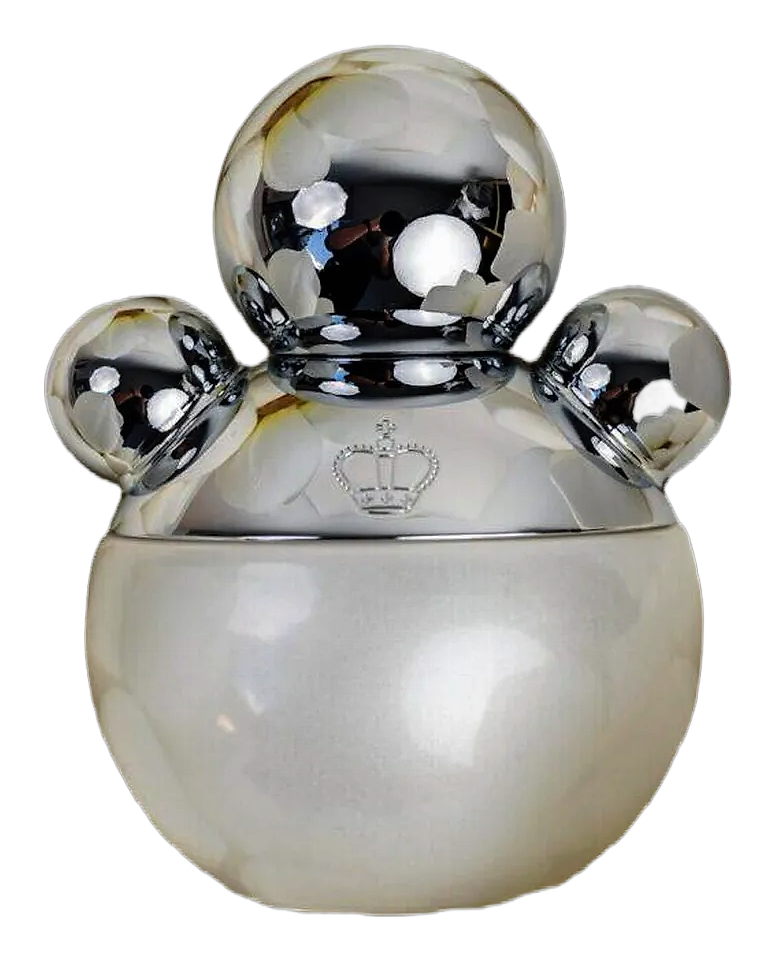
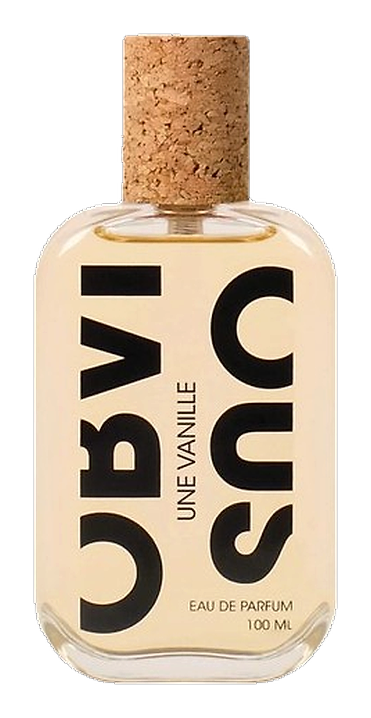
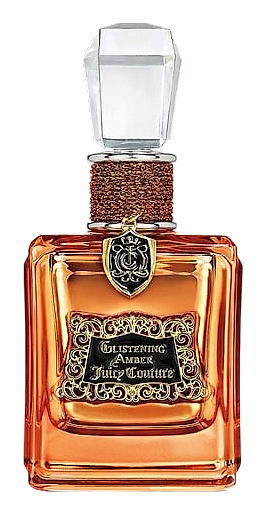
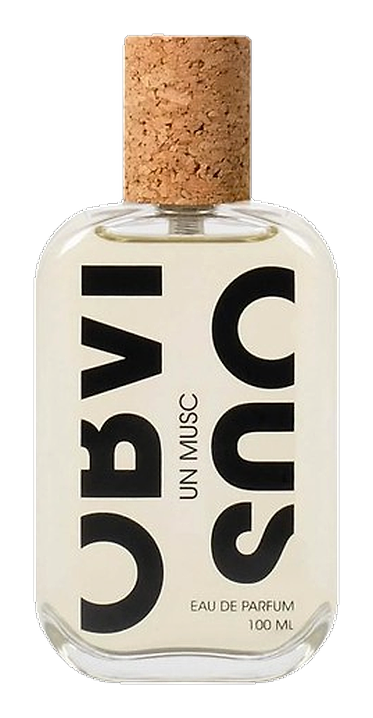
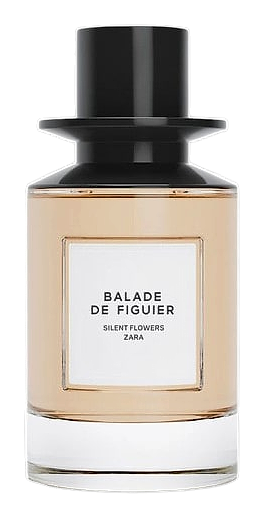
Fragrances featuring Muscenone

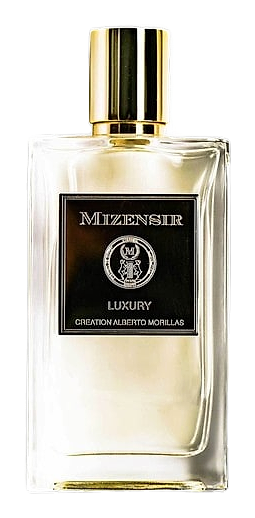
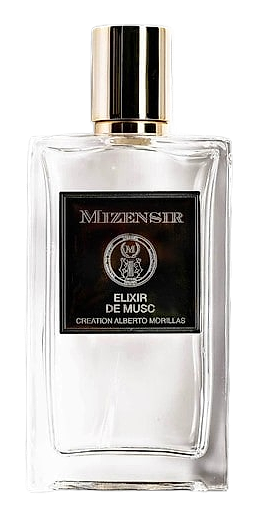
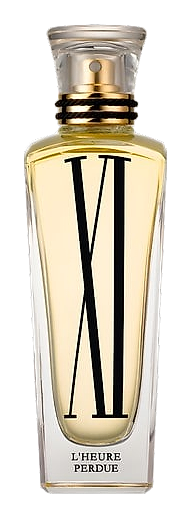
Good to know
Questions, answered
The essentials on Muscenone in perfumery: how it smells, where it comes from, and how it behaves on skin.
What does Muscenone smell like?
Muscenone delivers warm, powdery musk with subtle animalic undertones. It lacks the harsh edge of nitro-musks and instead offers a smooth, enveloping quality similar to natural deer musk.
Is Muscenone safe for skin use?
IFRA regulations permit Muscenone in consumer fragrances at concentrations up to certain limits. It has undergone extensive toxicological review and carries no phototoxicity concerns.
How does Muscenone differ from natural musk?
Muscenone matches natural musk's macrocyclic structure but avoids the variability and ethical concerns of animal sourcing. Natural musk also contains dozens of companion compounds, while Muscenone provides a more defined single-molecule profile.
When was Muscenone introduced to perfumery?
Macrocyclic musks emerged from the biotech advances that followed early synthetic fragrance chemistry, with commercial production becoming viable in the late 20th century as organic synthesis techniques matured.
Does Muscenone appear in luxury fragrances?
Perfumers employ Muscenone across price tiers, from mass-market products to niche creations, valued for its versatility and the authentic musk character it lends to drydown phases.
What fragrance families use Muscenone?
Muscenone appears in oriental, woody, and floral compositions as a fixative and base note. Its binding properties help other ingredients linger on skin for hours.
Can Muscenone be used alone as a fragrance?
Solo Muscenone reads as a clean, warm skin scent rather than a complete fragrance. Its value emerges when combined with other materials in a composed blend.
How stable is Muscenone in formulations?
Muscenone resists oxidation and maintains its character across alkaline and acidic pH ranges, making it reliable in bar soaps, detergents, and skincare products.