
The Story
Why it exists.
The beginning
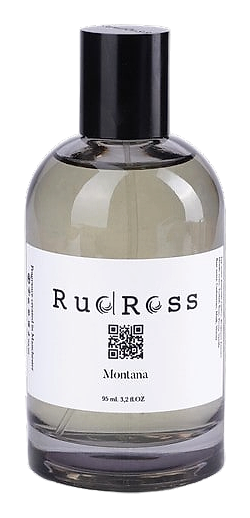
Montana takes its name from the American state, not the place itself, but the idea of it. RudRoss built this fragrance around a specific tension: the sharp clarity of mountain air versus the warmth of something earned. The aldehydic opening isn't just a design choice, it's the stream, the cold water over stone that makes you stop and pay attention. The metallic shimmer of the aldehydes arrives first, crisp and commanding, creating a sense of clarity that feels almost medicinal before it softens. Lemon follows, cutting through with a bright acidity, and nectarine rounds the edges with its softer fruit character. The combination feels effervescent, like the moment before something shifts. Everything after that is the descent into something richer, warmer, earned.
What makes Montana interesting is how the aldehydes interact with the fruity notes. Nectarine isn't a typical top note, it's rounder, less acidic than peach, and when the aldehydes catch it, you get something that smells clean but not sterile. The white florals in the heart (lily of the valley, freesia) don't try to overpower the structure. They soften it. By the time you reach the sandalwood and vanilla, the fragrance has made a full arc from cold water to late afternoon sun.
The evolution
It opens sharp. The aldehydes announce themselves with that characteristic metallic shimmer, something that demands your attention. Then the lemon slips in, bright and clean, and the nectarine follows, rounding the edges. The citrus fades as the florals rise. Freesia first, delicate and slightly green. Then jasmine, present but not dominant, adding warmth to the heart. Lily of the valley anchors it with something almost soapy clean. Grapefruit blossom keeps the middle bright. The vetiver threads through underneath, keeping everything grounded. By the later stages, you're in the warm part. Sandalwood and amber build quietly, creamy and slightly resinous. The vanilla doesn't overpower, it cushions. There's a ghost of amber that lingers on your wrist the next morning.
Cultural impact
Aldehydic fragrances have long held a particular place in perfumery history, associated with bold, structured compositions that command attention. Montana takes this structural approach and filters it through a more contemporary lens, pairing the characteristic metallic shimmer with a floral-fruity heart that softens the sharpness. The combination makes the fragrance approachable for someone who might find classic aldehydics too austere or too powdery. It's the kind of composition that bridges old and new, drawing on established perfumery techniques while feeling distinctly modern in its execution.