The Story
Why it exists.
The beginning
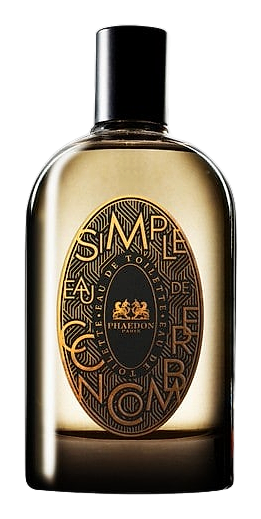
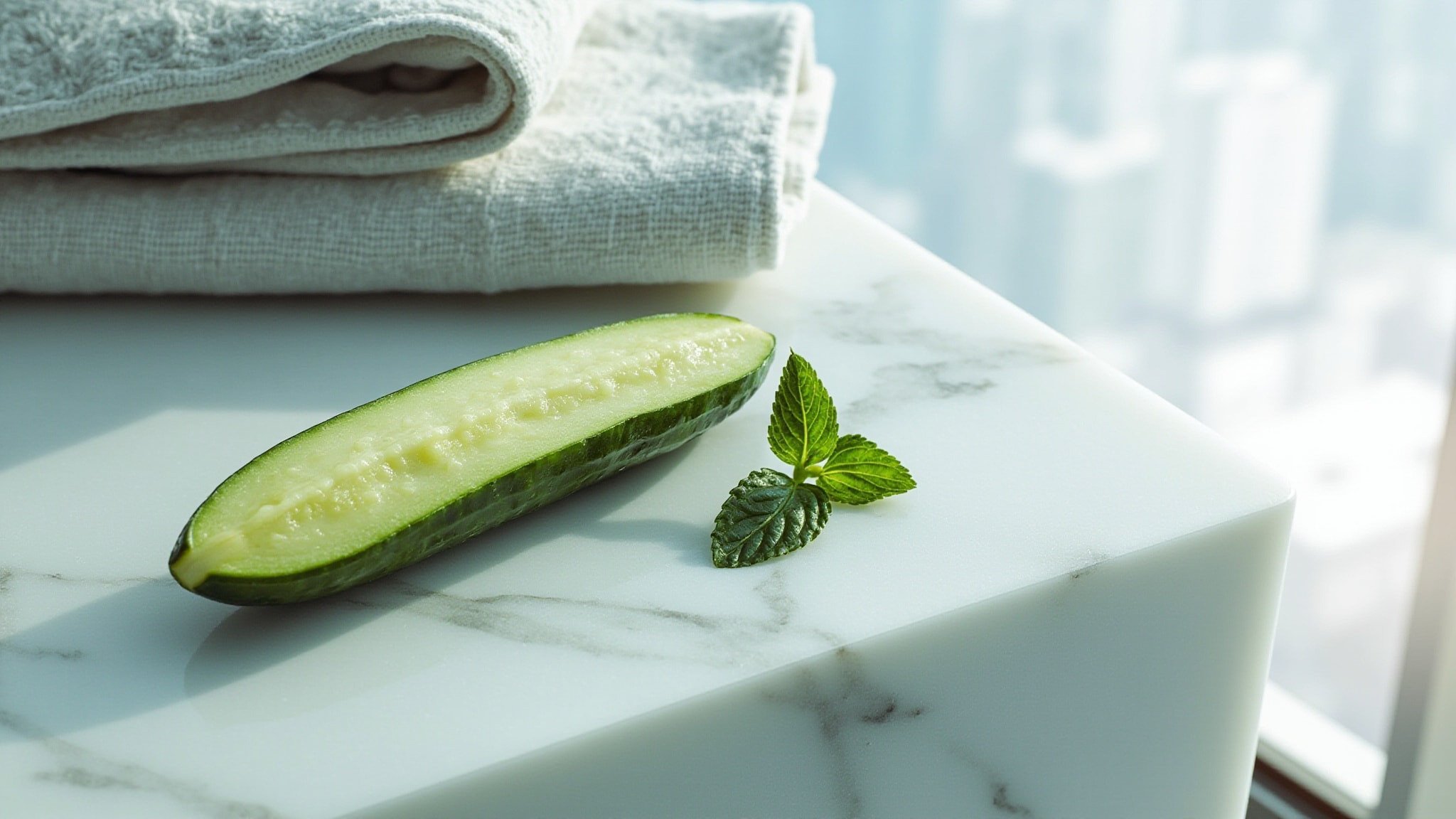
Pierre Guillaume has spent decades building a catalog that refuses easy categories. With L'Eau de Concombre, launched in 2014, he takes on an idea borrowed from the French tradition of eaux simples, simple scented waters, herbal infusions drunk for refreshment rather than intoxication. The brief was deceptively hard: make cucumber the lead, not the garnish. In perfumery, cucumber appears as a freshness modifier, a way to soften bergamot or round out a citrus opening. It rarely gets top billing. Guillaume reversed that. The result is a fragrance that reads, from first spray, as cucumber water, sliced cucumber in lukewarm water with mint, a squeeze of something green. It sounds like a skin toner. It smells like an afternoon by water, before the afternoon gets complicated.
The technical challenge is where it gets interesting. Cucumber is high in water content, a difficult material to work with in alcohol-based perfume, which is why most perfumers use it as a modifier rather than a main character. Guillaume reaches for synthetic ozonic materials, Calone and Galaxolid, to build the watery body that makes the cucumber accord read as fresh rather than flat. The result is a fragrance that is simultaneously literal and abstract: it smells like cucumber, but the cucumber it smells like doesn't exist in nature as a standalone note. The tension between the obvious and the impossible is where the fragrance lives. It's cucumber as concept, not cucumber as copy.
The evolution
L'Eau de Concombre opens with the cold clarity of sliced cucumber and a mint lift that feels like a glass of water set on ice. That opening lasts maybe twenty minutes before the ozonic materials take over, stretching the freshness into something broader, the smell of air after rain, the mineral clarity of a cold spring. The freesia arrives quietly, adding a floral whisper that keeps the whole composition from reading as detergent. Cedar begins to ground things from the thirty-minute mark, but gently, this is not a woody fragrance. The drydown settles into cashmere musk and a touch of leather, the mint fading but leaving a cool impression for another hour or two. By the four-hour mark, the scent has pulled close to the skin. The cashmere lingers on the wrist another hour after that, a quiet exit from a quiet fragrance.
Cultural impact
L'Eau de Concombre occupies a curious position in the niche fragrance landscape, a composition built around a note most houses treat as a supporting element. For wearers who want something that smells like what it says on the bottle, this is the answer. For those who want complexity and depth, the lightweight character will read as simplicity rather than sophistication. That split is the fragrance's most honest quality.