The Story
Why it exists.
The beginning
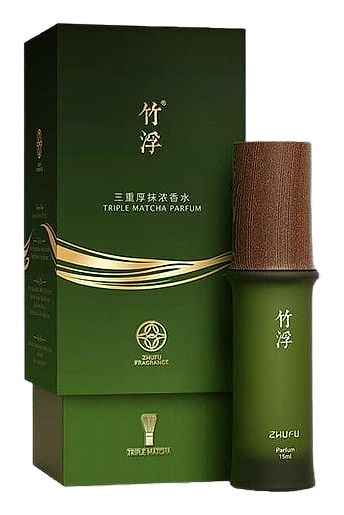
Triple Matcha arrived in 2026 under perfumer Meng Gu, with the quiet atmosphere of tea translated into a more intimate ritual. Its name points to a layered matcha idea rather than a single-cup imitation. Green Tea opens the composition with bergamot and almond, then gives way to a softer center built from Natural Vanilla, Grasse Rose, Orange Blossom, Frankincense, and Milk. Sandalwood, Patchouli, Labdanum, Vetiver, Amber, and Musk anchor the result. The structure asks you to notice progression, from the first sip to the warmth left in the cup.
What makes Triple Matcha interesting is the collision between green tea and a dessert-like heart. Almond brings a creamy, almost powdered texture to the opening, while Milk rounds the composition in its gentler middle. Natural Vanilla and Grasse Rose add sweetness and floral depth without making the composition feel simple. Frankincense introduces a faint resinous lift, and the base of Patchouli, Labdanum, Vetiver, Sandalwood, Amber, and Musk gives the tea a warm, woody shadow. It is familiar, but never one-note.
The evolution
The first impression is a bright, green lift, with Bergamot sharpening the tea and Almond giving it a dry, powdery edge. That opening moves into a gentler middle where Milk and Natural Vanilla make the composition feel rounded, while Rose and Orange Blossom bring a polished floral warmth. Frankincense keeps the center from becoming overly creamy. After the tea-like brightness recedes, Patchouli and Labdanum add a darker, resinous depth, and Sandalwood, Vetiver, Amber, and Musk settle the fragrance close to skin. Over time, what remains is the warm woody and musky trace of the cup, softened by vanilla and the memory of rose.
Cultural impact
Triple Matcha treats a familiar tea ritual as a fragrance experience built from successive impressions. Bergamot and Almond establish a bright opening around Green Tea, followed by the creamier character of Milk, Natural Vanilla, Grasse Rose, and Orange Blossom. Frankincense adds a resinous accent, while Patchouli, Labdanum, Vetiver, Sandalwood, Amber, and Musk create a warm, woody and musky base. The result offers a distinct reading of green tea: less about drinking than about the layered atmosphere surrounding the cup.
The House
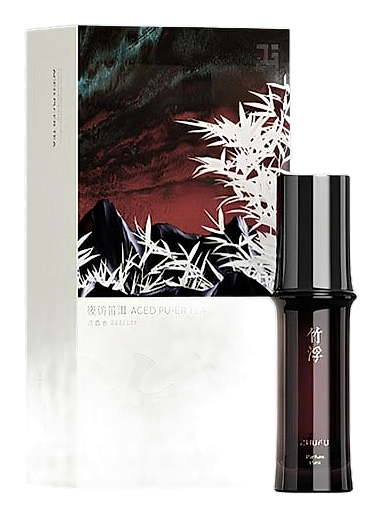
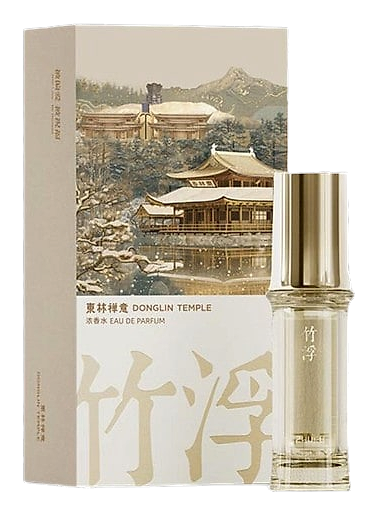
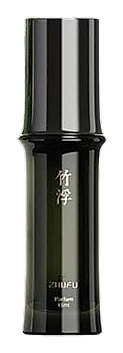
Zhufu 竹浮Zhufu (竹浮) is a fragrance house operating at the intersection of Asian heritage and London craftsmanship. The brand draws its name from the Mandarin word for blessing, a deliberate sonic connection that reflects its central philosophy: that scent can serve as a vehicle for carrying good fortune through daily life. Each Zhufu fragrance captures specific moments from Chinese poetic tradition, translating them into wearable compositions. The house released multiple collections in 2024, including fragrances named after tea, forests, temples, and bamboo groves, suggesting a practice rooted in nature and cultural memory.
The Creator
Meng GuGu favors transparency and restraint. Her compositions tend to unfold in gentle layers rather than dramatic reveals, with a particular affinity for delicate florals, nuanced woods, and soft musks that adapt to the wearer's skin.