The Story
Why it exists.
The beginning
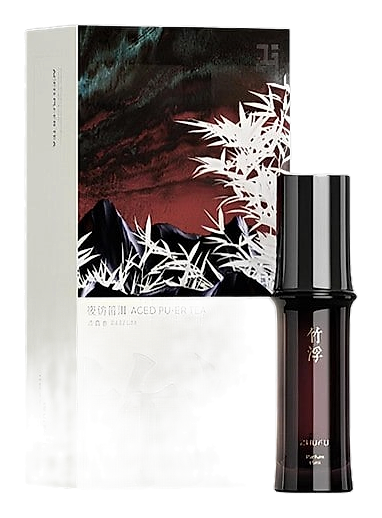
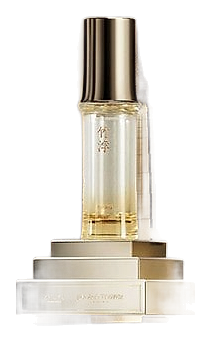
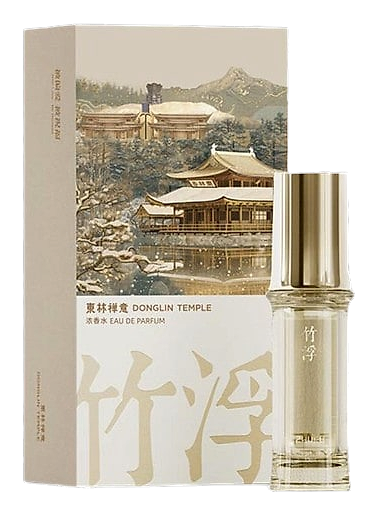
The name pins this fragrance to a real place: Donglin Temple in Shanghai's Jinshan District. The collaboration brought together a house with a distinctive voice and a Zen monastery, a conversation between heritage and craft that produced something genuinely specific. Meng Gu composed the fragrance around the monastery's own garden: the camphor trees, the lotus pools. The conifers that rise among the buildings, the carefully tended greenery throughout the grounds. This is not a temple in the abstract. It's that temple. Those trees.
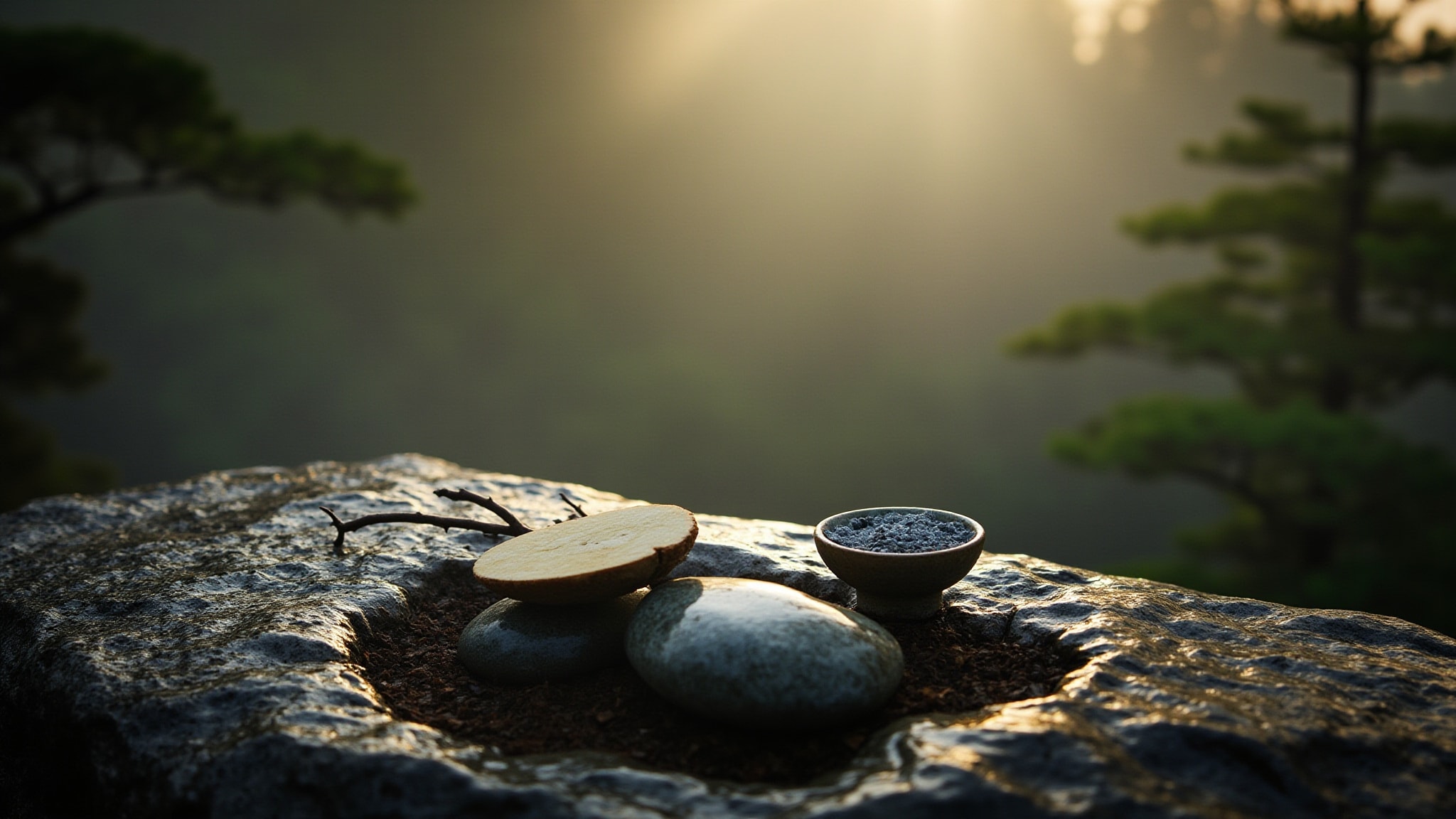
The lotus-cypress pairing is unusual, cool, vertical wood meeting something almost aquatic. But the real craft move is what the house did with oud. Here, it's not a statement note. It's woven into the base alongside cedar and rosewood, adding depth without dominance. The Zen philosophy carries through the entire structure: camphor appears in the heart but also lingers into the drydown, keeping the meditative quality present even as warmer woods arrive. The fragrance doesn't build to a climax. It settles.
The evolution
The opening is quick, bergamot and ginger arrive in under a minute, citrus brightness followed by a clean heat that clears the space around you. The heart takes perhaps twenty minutes to fully arrive, and when it does, the camphor reads cool, almost mentholated, against the softer lotus. Cypress and fir add structure. This is the longest phase, lingering well beyond the initial burst. The drydown is slow. Rosewood and cedar emerge from the oud foundation, bringing warmth back in gradually, like the late afternoon light shifting across an empty courtyard. The fragrance settles into something intimate and quiet, close to the skin. The kind of wear that asks nothing of you.
Cultural impact
Zhufu occupies a quiet corner of the niche fragrance world, houses that treat scent as contemplative practice rather than status signal. Donglin Temple fits squarely within this philosophy, arriving as part of a collection that draws from Chinese poetic moments. The collaboration with an actual Shanghai monastery gives it a specificity rare in Western fragrance naming, where temples usually appear as vague aesthetic cues rather than named partners. The fragrance asks nothing of the wearer, offering quiet presence and enough depth to reward attention for those who look closely.