The Story
Why it exists.
The beginning
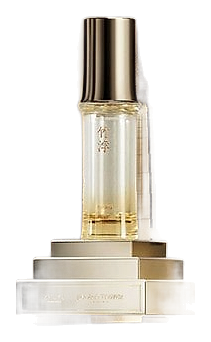
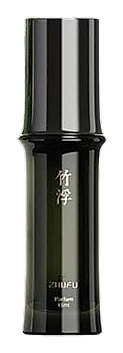
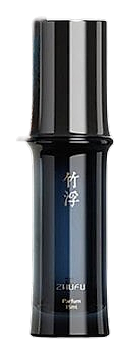
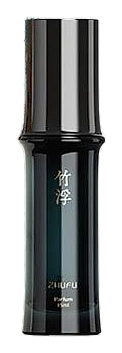
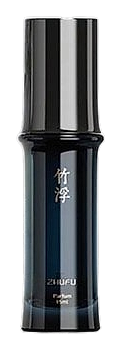
Throne 荆棘凛冽 arrived in 2024, drawn to the legacy of Qin Shi Huang, the First Emperor of the Qin dynasty. His reign was marked by countless hardships, and the composition frames that history as something piercing and bitter, closer to thorns than triumph. Perfumer Meng Gu built the idea in layers: citrus that cuts, pepper that stings, woods that carry the weight of legacy into the drydown. The name pairs the image of thorns with the force of a biting chill, creating a fitting frame for a fragrance that treats imperial power as ambivalent rather than gilded. Bitter orange and lime sharpen the opening with tart peel and green brightness, while grapefruit adds a juicy edge. Mint cools the composition further, and pink and black pepper introduce a dry, granular heat.
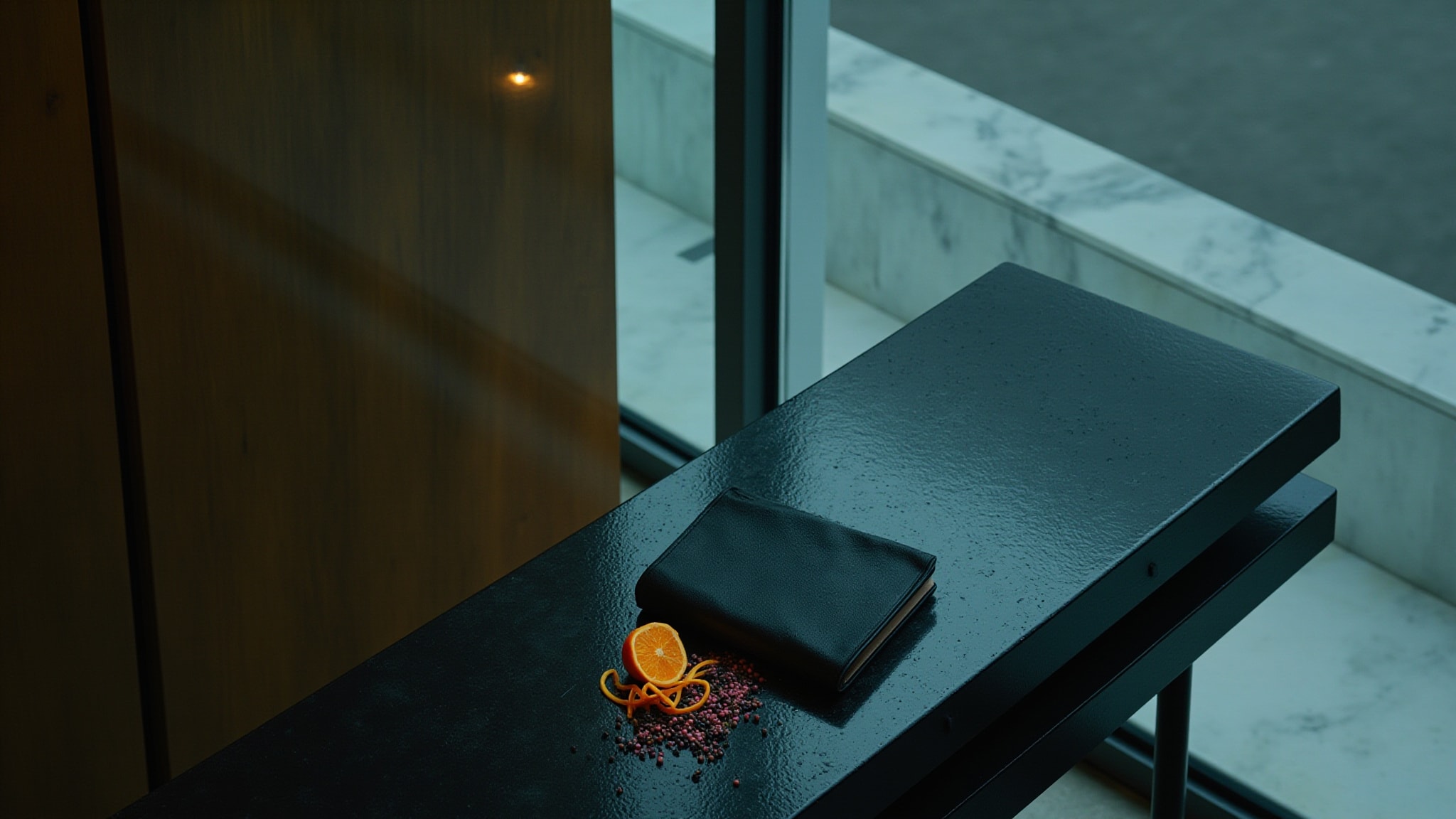
What makes this work is the handoff between materials with opposite temperatures. Bitter orange, lime and grapefruit bring brightness and tartness. Mint cools that down further, almost eucalyptus-cold, while pink and black pepper add a granular heat that refuses to stay polite. Then cashmere wood, cedarwood and vetiver pull everything toward the dry, structural side. The green-citrus opening remains vivid against the woody base, allowing the composition to move between freshness and shadow without either side entirely taking over.
The evolution
The first minutes are almost abrasive in their freshness. Bitter orange peel and lime cut hard, grapefruit adds a slick juicy edge, and mint pulls the whole thing toward cold air. Sharp and green, like a courtyard after rain. Then the peppers arrive and change the temperature rather than the volume. Pink pepper gives a rosy lift, black pepper adds a dry snap, and the composition reads less like a fruit and more like a ruler's hallway, polished stone and lacquered wood with spice in the air. The citrus fades first, and what's left is where the character sharpens further. Cashmere wood and cedarwood take over with a soft suede-like grain, but vetiver arrives like dry earth after the season ends, hay and parched grass. This is the surprising part. The opening promises one fragrance and the drydown delivers something drier, quieter, and more authoritative.
Cultural impact
Throne draws its subject from Qin Shi Huang, but it approaches the imperial reference without court grandeur or ceremonial incense. The brief is harsher. Its interest comes from the friction between the title and the sensation, since a fragrance called Throne smells like bitter peel, cold mint, pepper and dry vetiver rather than anything gilded. That contrast invites close attention to the composition as it changes. Bitter orange, lime and grapefruit establish a sharp opening, with mint adding a cool current and the peppers introducing dry heat.
The House
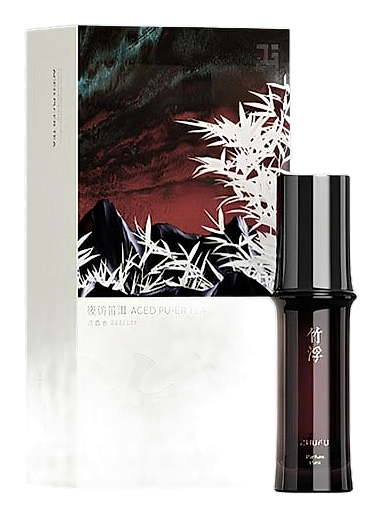
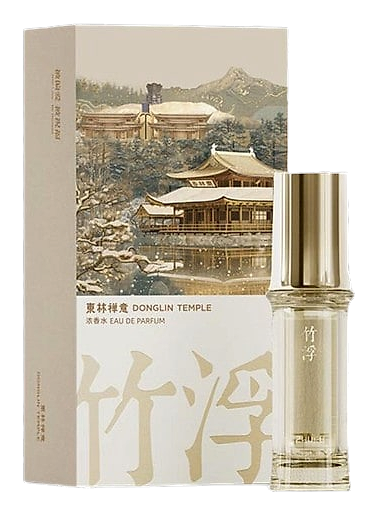
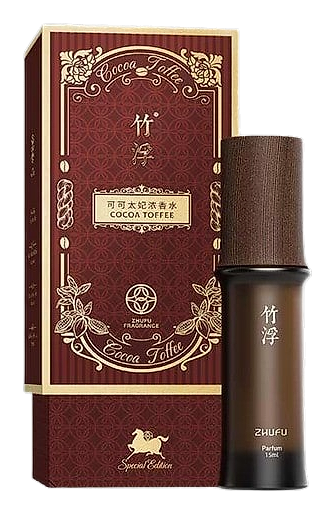
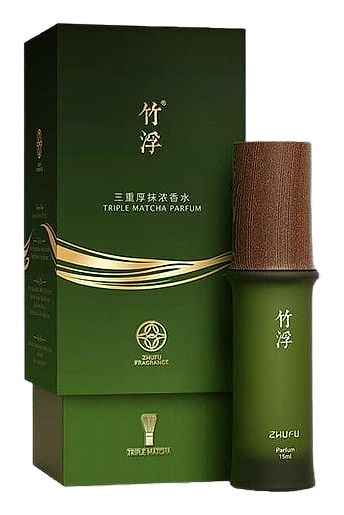
Zhufu 竹浮Zhufu (竹浮) is a fragrance house operating at the intersection of Asian heritage and London craftsmanship. The brand draws its name from the Mandarin word for blessing, a deliberate sonic connection that reflects its central philosophy: that scent can serve as a vehicle for carrying good fortune through daily life. Each Zhufu fragrance captures specific moments from Chinese poetic tradition, translating them into wearable compositions. The house released multiple collections in 2024, including fragrances named after tea, forests, temples, and bamboo groves, suggesting a practice rooted in nature and cultural memory.
The Creator
Meng GuGu favors transparency and restraint. Her compositions tend to unfold in gentle layers rather than dramatic reveals, with a particular affinity for delicate florals, nuanced woods, and soft musks that adapt to the wearer's skin.