The Story
Why it exists.
The beginning
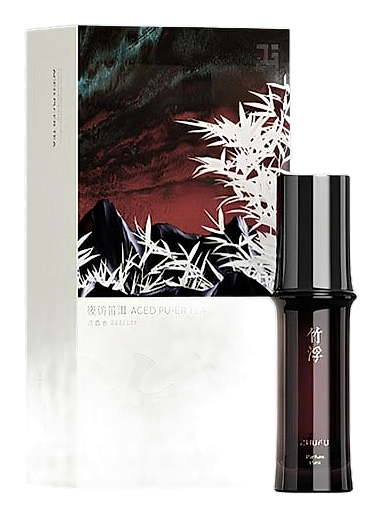
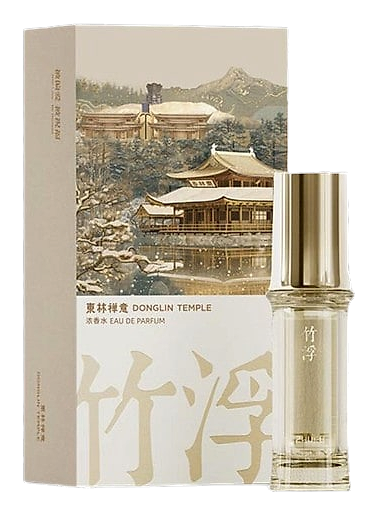
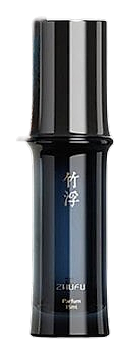
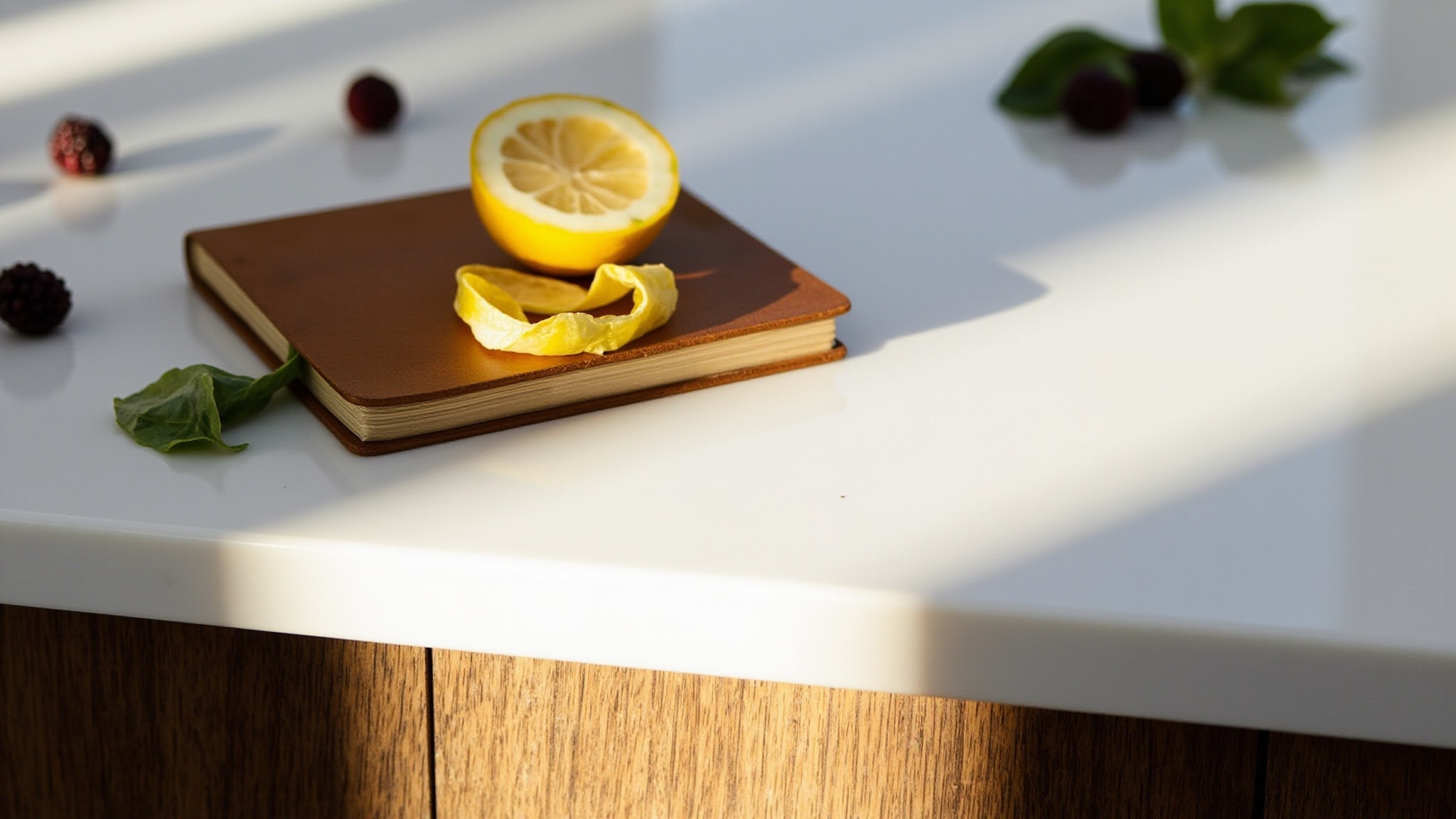
Master 玉竹贯仲 arrived in 2024 from Zhufu, composed by perfumer Meng Gu. The fragrance opens with a clear, bright lift: lemon and mandarin bring citrus sparkle, while basil adds a cool green edge that recalls crushed herbs rather than something sweet. Blackberry and red fruits introduce a darker register of ripe fruit, their juicy sweetness meeting the drier, more textured presence of oakmoss and musk. Rather than grand temples or imperial imagery, this one settles into something quieter: an old herbalist's workspace, its wooden drawers, camphor-wood tones, earthen jars, and the small rituals of preparing a prescription. The result is composed around a meeting of fruit, green herbs, moss, wood and skin-soft musk, with each note adding a distinct texture rather than competing for attention.
What's unusual here is the tension between freshness and age. Lemon, mandarin, citrus and basil open with something closer to a kitchen window thrown wide than anything ceremonial. Then blackberry and red fruits pull the composition toward the sweetness of fruit in a bowl on the counter. Underneath, oakmoss and musk anchor everything to a chypre structure that smells of shade, bark and damp earth. Fruit and moss rarely share the same sentence, but Meng Gu uses that friction as the point.
The evolution
The opening is all sharpness. Lemon and mandarin cut through with citrus brightness, and basil adds a green, almost mentholated edge that recalls crushed herbs rather than a kitchen. Blackberry and red fruits bring genuine sweetness, but they land on chypre footing, so the sugar stays tethered to something earthy rather than drifting toward confection. Oakmoss becomes the anchor, dry and forest-floor textured, with musk smoothing everything into skin temperature. What lingers longest is that woody-mossy base, less herbal and more like the smell of old wooden drawers and camphor. By the final hours, it sits close to the skin, green-dark and intimate, with the fruits reduced to a memory rather than a statement. The progression moves from vivid citrus and herbs through ripe fruit, then settles into a darker, grounded trail of moss, wood and soft musk.
Cultural impact
Wearers describe this as the scent of someone who walks in from a damp forest path rather than a perfume counter. The community reads it as herbal, green and slightly old-fashioned in a good way, with some calling it gym-appropriate and others noting the oakmoss lends a traditionally masculine register. The fragrance is presented as an everyday herbal chypre, balancing fresh citrus and fruit with moss, wood and musk for a distinctive, quietly complex character.
The House
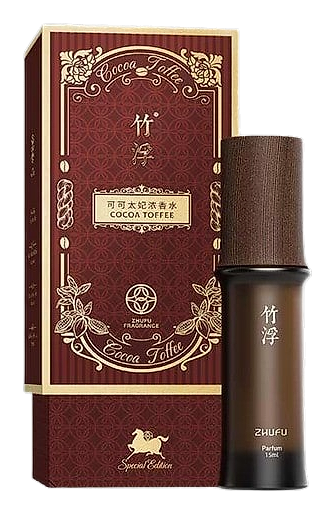
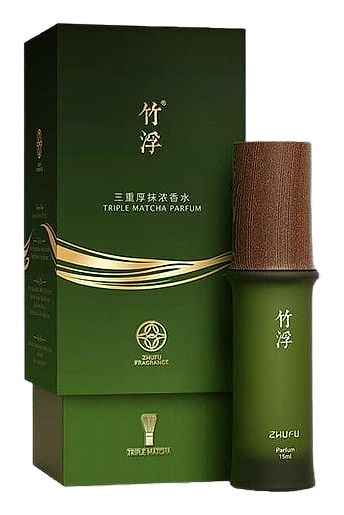
Zhufu 竹浮Zhufu (竹浮) is a fragrance house operating at the intersection of Asian heritage and London craftsmanship. The brand draws its name from the Mandarin word for blessing, a deliberate sonic connection that reflects its central philosophy: that scent can serve as a vehicle for carrying good fortune through daily life. Each Zhufu fragrance captures specific moments from Chinese poetic tradition, translating them into wearable compositions. The house released multiple collections in 2024, including fragrances named after tea, forests, temples, and bamboo groves, suggesting a practice rooted in nature and cultural memory.
The Creator
Meng GuGu favors transparency and restraint. Her compositions tend to unfold in gentle layers rather than dramatic reveals, with a particular affinity for delicate florals, nuanced woods, and soft musks that adapt to the wearer's skin.