
The Story
Why it exists.
The beginning
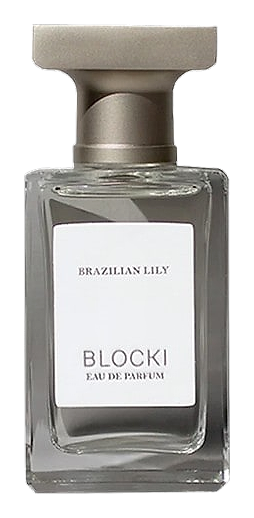
Brazilian Lily began as a Blocki fragrance in 1903. The 2023 reworking, created by perfumer Michelle Bruckmann, draws from that original without literally recreating it. No Brazilian Lily plants were harvested to make this perfume, it is a creative interpretation of the plant and its ecosystem. The notes tell the story: bergamot, neroli, and red currant in the top; white fig and rain lily in the heart; amber, driftwood, and musk holding it all together. The result is a fragrance that feels like stepping into a garden still wet from the rain, the air humid, the light filtered green through a canopy of trees.
What makes Brazilian Lily distinctive is the way two notes that shouldn't work together somehow do. White fig is creamy, almost lactonic. Rain lily is watery, almost mineral. Together they create a heart that smells like something between shampoo and a tropical flower stall, and yet it doesn't read as generic. The drydown is where the story earns its keep. Driftwood and amber sit close to the skin, warm without being heavy, musky without being animal. It is the scent of something that dried in the sun rather than the scent of something trying too hard.
The evolution
The opening is bright. Bergamot sparks against neroli's floral warmth, and the red currant adds a tartness that keeps everything honest. Thirty minutes in, the white fig arrives, creamy, slightly green, a sweetness that feels ripe rather than synthetic. The rain lily is the surprise here. It reads as watery, almost salty, a counterpoint to the fig's softness. Together they create a heart that is lush and dewy and completely itself. The drydown doesn't arrive so much as settle. Driftwood comes first, warm and slightly woody, followed by amber's resinous sweetness and musk's quiet closeness. The sillage is moderate throughout, this is not a fragrance that fills a room. It stays close, intimate, the kind of scent you catch when someone leans in. Lasts 4-6 hours on most skin types.
Cultural impact
Brazilian Lily sits in the floral-fruity category with a twist, the rain lily note gives it an aquatic quality that keeps it from reading as generic. It performs best in warm weather, worn during the day, and it has the kind of drydown that rewards someone who pays attention rather than someone who samples on paper.