The Story
Why it exists.
The beginning
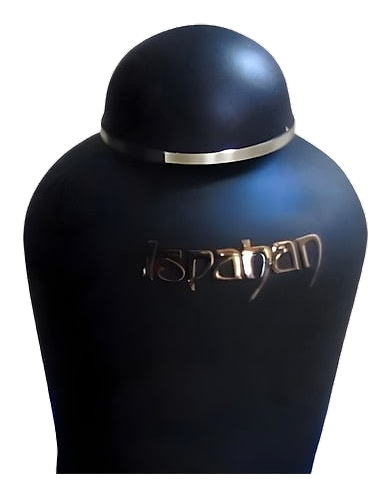
The name Ispahan comes from Isfahan, the historic Persian city known for its sprawling rose gardens and the cultivation of Damask rose. For Maurice Roucel, the brief in 1977 was clear: build a fragrance around the rose, not as a single note, but as an entire landscape. The tribute echoes both the gardens of Grasse and those of Iran, bridging two traditions that defined fragrant florals. Roucel chose to work with yellow florals and warm spices rather than a typical rose-centered structure, giving Ispahan a slightly different register than its contemporaries. The result was a perfume that felt rooted in the earth of both places, not imported from one.
What makes the Ispahan structure unusual is the combination of Mimosa and Lily of the Valley alongside the rose and jasmine. These white florals add a cool, slightly green lift that prevents the composition from becoming purely warm. The base introduces nutmeg and benzoin, a resinous, slightly spicy warmth that anchors the florals without overwhelming them. Vanilla and tonka bean finish the drydown with a powdery sweetness that can linger for hours. It's a pyramid built for contrast: bright opening, layered heart, warm finish.
The evolution
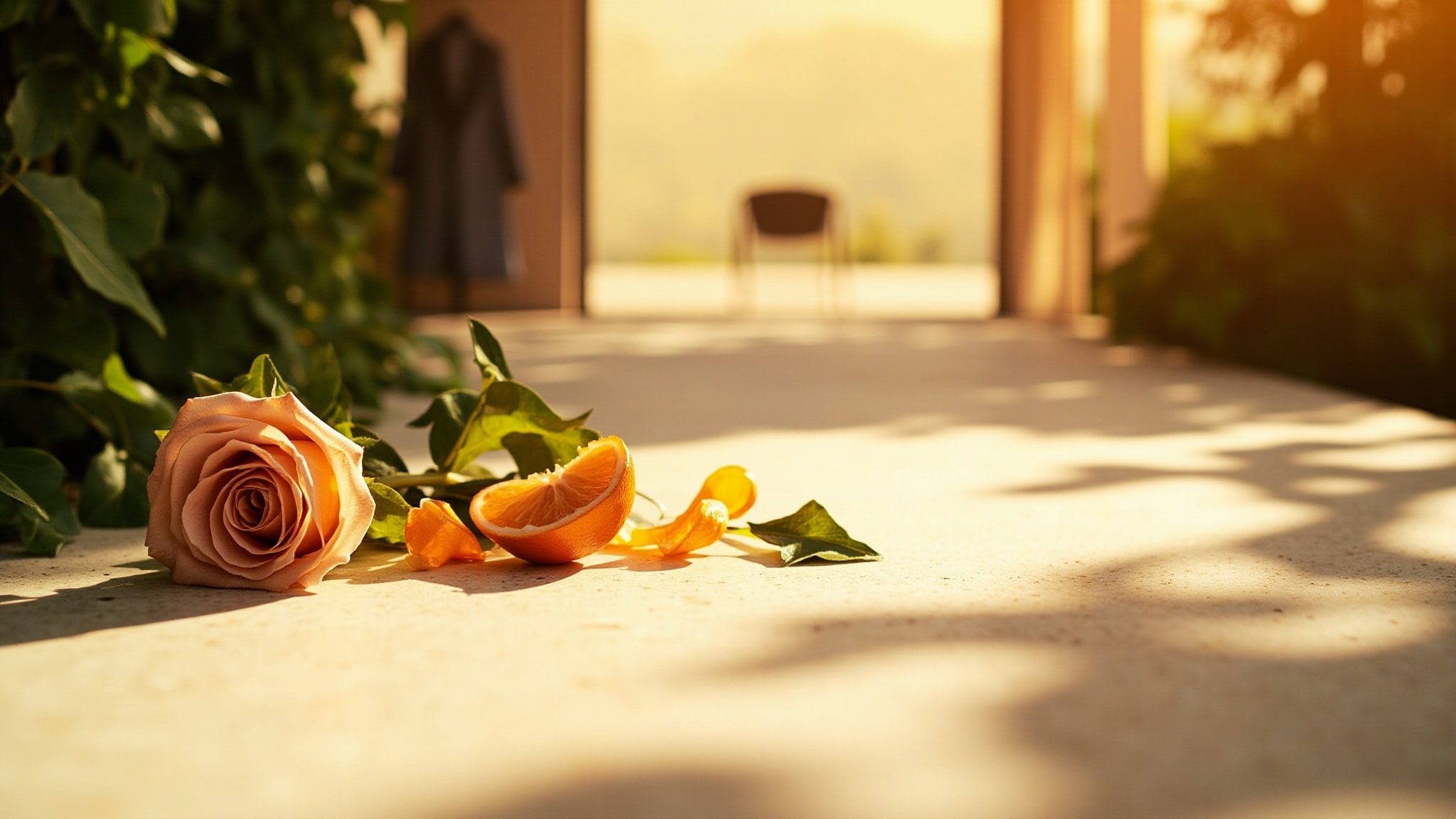
The citrus top notes arrive quickly, bergamot and mandarin orange brightening for the first ten to fifteen minutes. Then the handoff: rose and jasmine take over, but they're not alone. Ylang-ylang adds a creamy tropical weight, while Mimosa and Lily of the Valley introduce a quiet green freshness that keeps the heart from becoming heavy. By the second hour, the spices arrive, nutmeg warming everything beneath it. The drydown is where Ispahan earns its reputation: benzoin and vanilla creating a powdery, resinous warmth that stays close to the skin but refuses to fully disappear. On fabric, it can last into the next day.
Cultural impact
Ispahan Parfum arrived in 1977 as Yves Rocher's first standalone fragrance, anchoring the house's botanical positioning during a decade when many beauty brands were still finding their olfactory identity. The oriental-spicy floral structure positioned it alongside heavier fragrances of the era, but the rose-heavy heart gave it a distinctly French elegance. For the brand's audience, those seeking natural, accessible beauty, Ispahan offered a fragrance that felt both grounded and aspirational. It remains a reference point for the house, a scent that loyal wearers return to across decades.