The Story
Why it exists.
The beginning
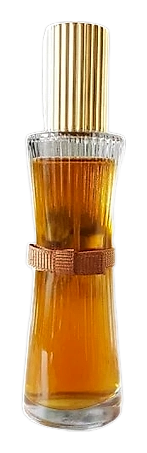
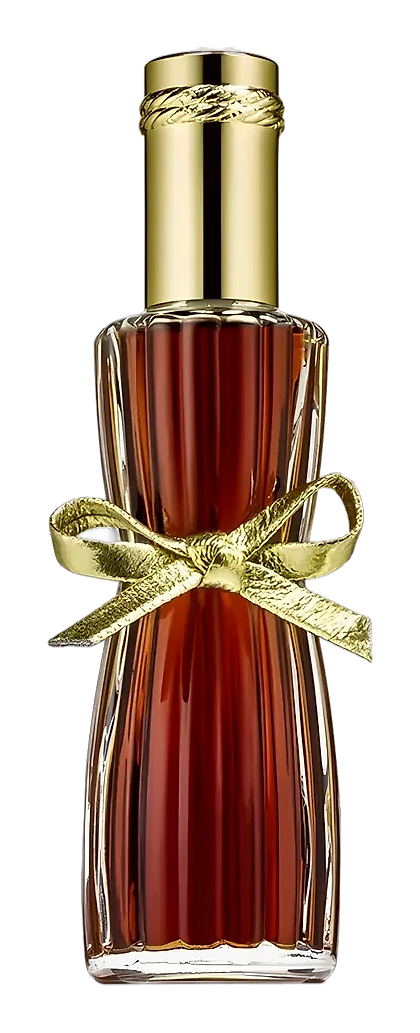
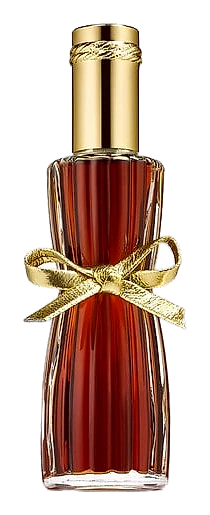
In 2013, Estée Lauder marked six decades of Youth-Dew with a limited edition that kept the original formula entirely intact. The 60th anniversary called for a celebration, not a reinvention, so the composition was preserved exactly as it was in 1953, when Youth-Dew first arrived as something that didn't apologize for taking up space. The anniversary bottle brought it back in a glass vessel tightened with a gold bow and scattered with tiny crystals, emphasizing the silhouette that had already earned its place in the canon. It was a reissue that knew exactly what it was: not a reinterpretation, but a return to something that had never really gone away.
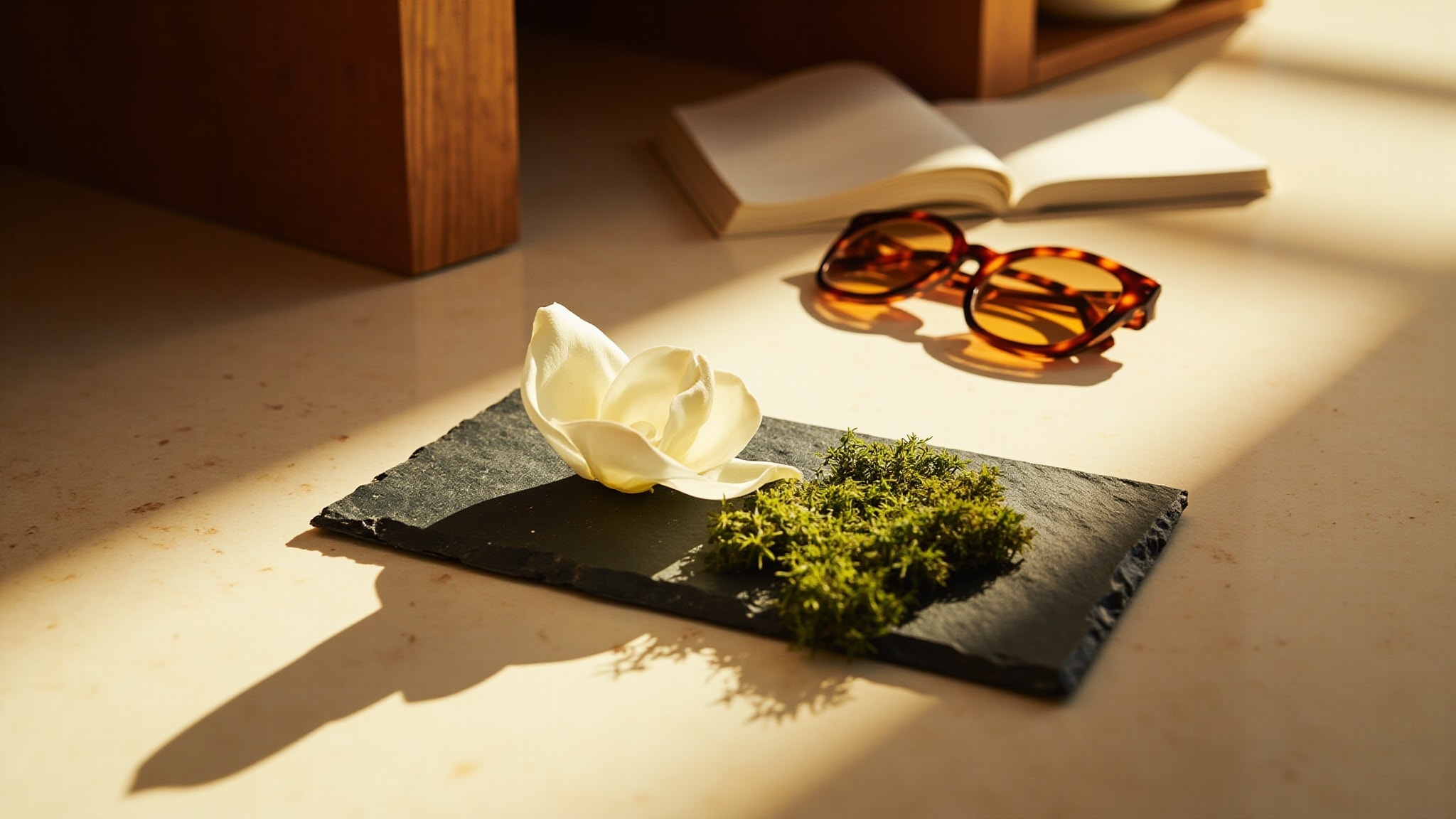
What makes this formula endure is the tension between its floral heart and its earthy base. Rose and Narcissus give the opening a green, slightly bitter quality, not sweet, not soft, while lavender adds an herbal thread that keeps things from becoming purely pretty. The white florals in the heart (jasmine, lily of the valley) arrive to warm and deepen, but they never fully erase the botanical edge underneath. Then moss and vetiver take over, pulling the composition down into something root-like, forest-floor, almost mineral. Patchouli adds darkness without sweetness. The result is a fragrance that refuses to be one thing: floral but not delicate, warm but not cozy, present without being loud.
The evolution
The opening arrives with intention, rose and Narcissus cut through the air, immediate and slightly sharp. Lavender threads through, keeping the brightness from becoming precious. Within twenty minutes, jasmine begins to soften the edges, and the composition shifts from announcement to conversation. The heart holds for hours: jasmine and lily of the valley sit dense and creamy against a spicy warmth that doesn't recede. This is where Youth-Dew lives longest, in the white floral core that refuses to dissolve. Then the base arrives, gradual and inevitable. Moss and vetiver ground everything, pulling the florals down into earth and root. Patchouli adds a dark, slightly bitter woodiness that survives into the drydown. By hour eight, what remains is quiet, a warm, almost skin-like whisper of moss and vetiver that suggests the fragrance has become part of you rather than something you've worn. The longevity is not a claim. It's a fact.
Cultural impact
Youth-Dew arrived in 1953 as something different, a women's fragrance with the kind of sillage and longevity that didn't apologize for taking up space. The 2013 limited edition maintained that original character, unchanged, as a statement about what had already proven itself. Wearers describe it as the fragrance for someone who walks into a room and doesn't need to announce themselves. The above-average longevity and strong sillage have made it a cult favorite for those who want a fragrance that lasts, not just through the day, but into the next one.
The House
Estée LauderEstée Lauder stands as one of the defining houses in modern perfumery, born from the ambition of a woman who believed every person deserved to feel beautiful. Founded in 1946 in New York City by Estée Lauder and her husband Joseph, the company began with just four skincare products and grew into the world's second-largest cosmetics corporation. Today, the brand continues to embody the founder's original vision of transformative beauty, creating fragrances that balance timeless elegance with contemporary relevance. Estée Lauder's scent collection spans decades of olfactory innovation, from the legendary Beautiful to newer interpretations that honor the house's rich heritage while appealing to modern sensibilities.
The Creator
Josephine CatapanoCatapano's signature leaned firmly toward the bold, the enveloping, and the oriental. She favored rich, warm structures with heavy ambery and resinous backbones that created immediate, powerful presence on skin.