The Story
Why it exists.
The beginning
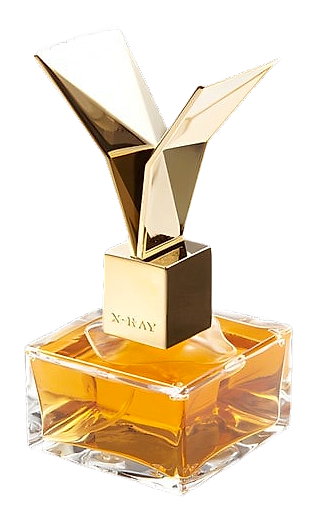
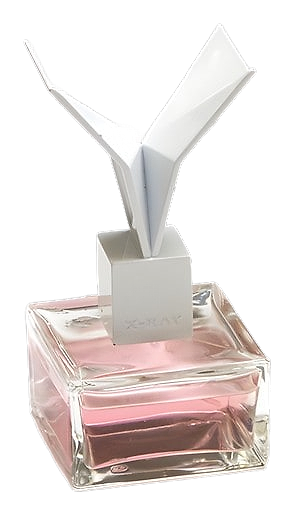
Irina Burlakova created Plastique for X-Ray in 2012 as an ode to Los Angeles, a city of freeways, ambition, and artificial light. The name was the brief: take something plastic and make it smell alive. Burlakova built around a vinyl accord, that modern material that isn't quite natural and isn't quite synthetic. Plastique would be both at once. Familiar yet unknown, the brand called it. Smells naturally and plastic, they admitted with pride. The 2012 launch arrived alongside four other X-Ray compositions, all probing sensory paradoxes, but Plastique stood apart, named for its material, defined by its warmth.
The vinyl accord is the structural trick. Italian bergamot, French lavender, eucalyptus, rosemary, that's the anatomy of something clean, clinical, sterile almost. But rosemary tips it somewhere unexpected. The heart adds rich florals: tuberose absolute, French mimosa, orris butter, elemi resin. Warm, creamy, exotic. Then the base layers patchouli and sandalwood against benzoin from Laos, Madagascar vanilla, amber, styrax. Natural and synthetic in the same breath. That's the paradox worth understanding, Plastique wears its name as irony.
The evolution
The opening hits with eucalyptus first, that camphorated clarity cutting through like opening a window in a modern space. Lavender and bergamot arrive together, the rosemary hanging back until you realize it's been there the whole time, green, almost resinous. Then the florals take over around the 20-minute mark. Tuberose and mimosa don't compete; they layer, the mimosa adding a powdery yellow warmth the tuberose alone would miss. The orris keeps everything slightly dry. By hour two, the vinyl accord has done its work, the sharp edges have softened, the amber has warmed, the vanilla from Madagascar has crept in. The drydown is close to skin, powdery, with sandalwood and benzoin holding it there for hours. On fabric, it lasts longer, you might still catch it the next morning, fainter but persistent, that styrax keeping it interesting.
Cultural impact
Plastique arrived in 2012 alongside four other X-Ray releases, Morphine, Resurrextion, Delirium, Lacquered Rose, all probing sensory paradoxes. The brand's clinical framing (technical dossiers, molecular behavior as a selection criterion) set it apart from narrative-driven niche houses. Plastique's vinyl accord, that deliberate blend of natural and synthetic, was uncommon at the time and remains relatively rare. The fragrance attracts wearers drawn to its unusual tension: the concept of something plastic that smells alive, warm, even intimate.
The House
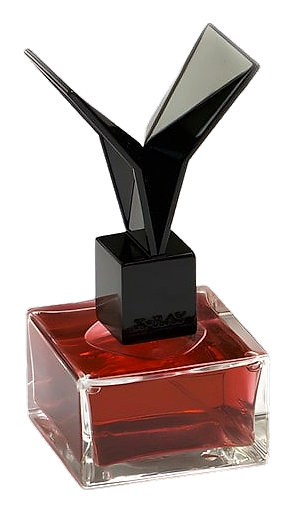
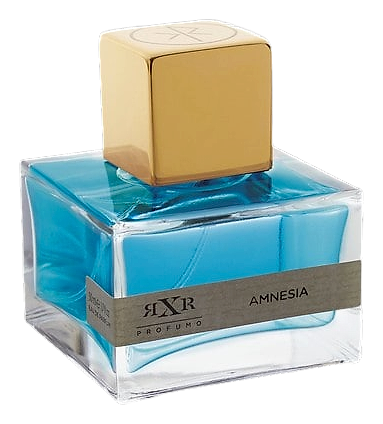
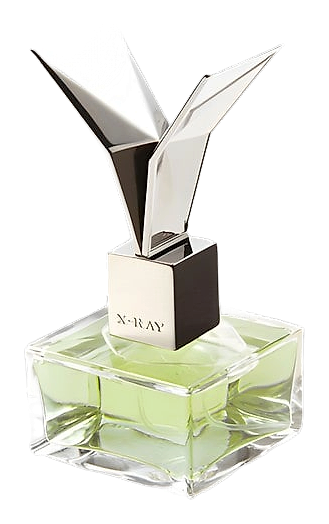
X-RayX‑Ray is a French niche perfume house that entered the market in 2012 with a series of experimental scents that prioritize texture, contrast and the chemistry of scent. The brand’s early catalogue – Morphine, Resurrextion, Plastique, Delirium and Lacquered Rose – introduced a visual language of clear glass, stark black caps and minimalist typography. Over the next few years X‑Ray expanded its narrative with Enigma (2013), Tantrum (2013) and Amnesia (2015), each fragrance probing a different sensory paradox. Today the house remains independent, producing limited‑edition releases that appeal to collectors who value conceptual rigor as much as olfactory intrigue.
The Creator
Irina BurlakovaIrina’s technique centers on building structures from single‑note extracts before weaving them into layered accords. She often begins with a dominant natural heart—jasmine, rose, or a green leaf—then frames it with supporting woods, ambery resins, or subtle musk to add depth.