    Brand Profile

    X‑Ray is a French niche perfume house that entered the market in 2012 with a series of experimental scents that prioritize texture, contrast…More

    France·Est. 2012·Site

    4.7

    Rating

    8
    Enigma by X-Ray
    Best Seller
    4.7

    Enigma

    Amnesia by X-Ray
    Best Seller
    4.4

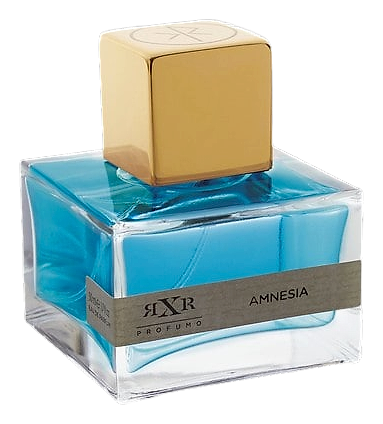
    Amnesia

    Morphine by X-Ray
    Best Seller
    4.3

    Morphine

    Resurrextion by X-Ray
    4.3

    Resurrextion

    Plastique by X-Ray
    4.2

    Plastique

    Delirium by X-Ray
    4.1

    Delirium

    Lacquered Rose by X-Ray
    3.9

    Lacquered Rose

    Tantrum by X-Ray
    3.7

    Tantrum

    The Heritage

    The Story of X-Ray

    X‑Ray is a French niche perfume house that entered the market in 2012 with a series of experimental scents that prioritize texture, contrast and the chemistry of scent. The brand’s early catalogue – Morphine, Resurrextion, Plastique, Delirium and Lacquered Rose – introduced a visual language of clear glass, stark black caps and minimalist typography. Over the next few years X‑Ray expanded its narrative with Enigma (2013), Tantrum (2013) and Amnesia (2015), each fragrance probing a different sensory paradox. Today the house remains independent, producing limited‑edition releases that appeal to collectors who value conceptual rigor as much as olfactory intrigue.

    Heritage

    X‑Ray was founded in Paris in early 2012 by a small collective of former laboratory technicians and visual artists who shared a fascination with the invisible layers of matter. The founders, who had previously worked in medical imaging, chose the name to echo the way X‑rays reveal hidden structures, a concept they wanted to translate into perfume. Their first launch in June 2012 presented five fragrances – Morphine, Resurrextion, Plastique, Delirium and Lacquered Rose – all developed in collaboration with independent perfumers whose identities were deliberately left anonymous to keep the focus on the scent experience. The launch received coverage in niche fragrance blogs such as Now Smell This and Basenotes, which highlighted the brand’s commitment to experimental composition and its departure from traditional narrative branding. In 2013 X‑Ray added Enigma and Tantrum, two scents that explored the tension between sweet and metallic notes. That year the house also opened a modest boutique on Rue Saint‑Honoré, allowing customers to experience the fragrances in a space designed like a laboratory, complete with stainless‑steel worktables and back‑lit shelving. The boutique’s design was featured in a 2014 French design magazine, noting the brand’s integration of scientific aesthetics into retail. The 2015 release of Amnesia marked X‑Ray’s first foray into a scent built around memory‑triggering aldehydes and synthetic ambergris. Critics praised the fragrance for its ability to evoke a fleeting sense of recollection without relying on overtly nostalgic accords. Following Amnesia, the house secured distribution partners in the United Kingdom and the United States, expanding its reach while maintaining a production run of no more than 1,000 bottles per release. In 2018 X‑Ray collaborated with contemporary visual artist Camille Leduc to redesign its bottle for the 2018 limited edition of Resurrextion. The new bottle featured a frosted glass body with a laser‑etched pattern that mimics the grain of an X‑ray film. The collaboration was documented in a short video on the brand’s website and received attention from design blogs for its blend of scientific imagery and artisanal craft. The brand’s 2020 sustainability initiative introduced recyclable aluminum caps and a partnership with a French biotech firm to source bio‑based solvents for its alcohol base. This move was reported in a French trade journal, which noted that X‑Ray remained one of the few niche houses to adopt a fully traceable supply chain for its synthetic ingredients. Throughout its history, X‑Ray has kept a low public profile, preferring to let the fragrances speak for themselves while occasionally publishing technical notes on its blog about the chemistry behind each launch.

    Craftsmanship

    X‑Ray produces its fragrances in a small Parisian atelier that combines modern lab equipment with traditional bottling techniques. The perfume oils are blended in temperature‑controlled stainless‑steel vats, where perfumers can monitor the rate of diffusion for each aroma chemical. The house sources its synthetic aroma molecules from European manufacturers that adhere to REACH regulations, ensuring purity and consistency. When natural extracts are used, they are procured from certified organic farms in Madagascar and Grasse, and each batch is tested for pesticide residues before entering the formulation. After blending, the perfume is left to macerate for a period that ranges from two weeks to three months, depending on the volatility profile of the composition. X‑Ray records the maceration conditions in a digital logbook, allowing the team to replicate successful aging cycles for future releases. The finished oil is then filtered through a series of micron‑grade filters to remove any particulate matter, a step that the house describes as "clarifying the scent". Bottling takes place on a dedicated line where glass bottles are hand‑polished and inspected for imperfections. The brand’s signature bottle – a clear, cylindrical glass with a matte black aluminum cap – is produced by a French glassmaker that specializes in high‑clarity crystal. Each bottle receives a laser‑etched serial number, linking it to a specific batch and ensuring traceability. For limited editions, the house collaborates with artisans who apply hand‑blown glass techniques or custom metal finishes. Quality control includes both analytical testing and sensory evaluation. Gas chromatography‑mass spectrometry (GC‑MS) verifies the concentration of key aroma chemicals, while a panel of trained noses assesses the fragrance for balance, projection and longevity. The house documents each evaluation in a quality dossier that accompanies the product to market. This rigorous process, combined with the brand’s commitment to sustainable sourcing, underpins X‑Ray’s reputation for precise, reliable scents that retain their character over time.

    Design Language

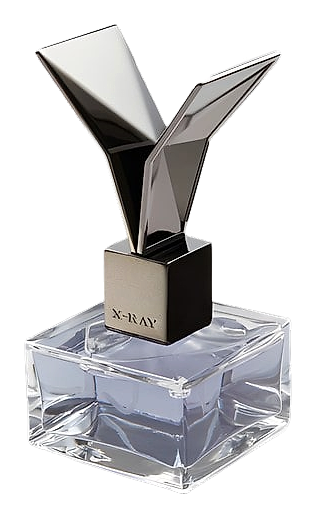
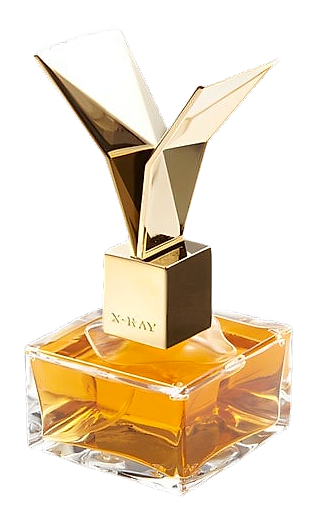
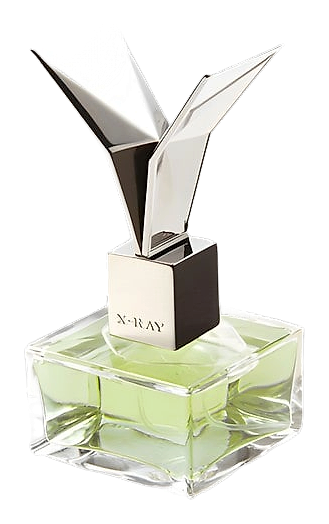
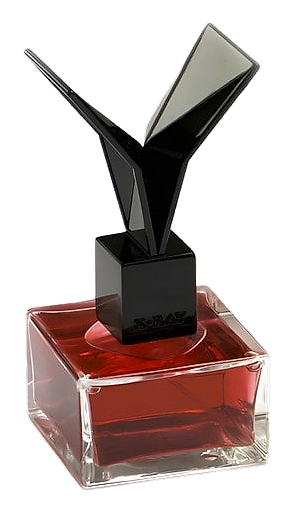
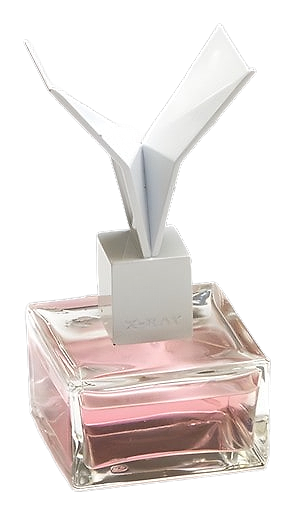
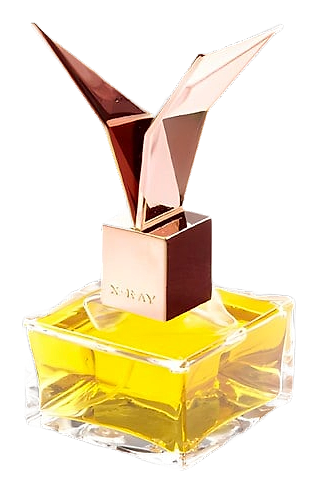
    X‑Ray’s visual identity mirrors its scientific roots. The primary color palette consists of stark white, deep charcoal and occasional accents of electric blue, echoing the look of diagnostic imaging screens. The logo features a simple sans‑serif typeface with the letter "X" rendered as a stylized cross‑section, reminiscent of an X‑ray image. Packaging across the line maintains a uniform silhouette: a clear glass vial that showcases the perfume’s hue, capped with a matte black aluminum disc that bears the brand name in embossed lettering. For the 2018 Resurrextion redesign, the house introduced a frosted glass finish with a laser‑etched pattern that mimics the grain of an X‑ray film. The pattern not only adds tactile interest but also diffuses light, creating a subtle glow when the bottle is held up to a source. This design was highlighted in a French design publication for its blend of scientific reference and artisanal execution. Print and digital collateral use high‑contrast photography that often includes macro shots of the bottle against a black background, interspersed with abstract images of crystal lattices or electron microscope visuals. The brand’s website follows the same minimal aesthetic, employing generous white space, clean typography and interactive elements that allow visitors to explore the molecular composition of each fragrance. In retail environments, X‑Ray installs sleek display units made of brushed aluminum and tempered glass, arranged to resemble laboratory workstations. The lighting is calibrated to a cool white temperature, emphasizing the clarity of the bottles and reinforcing the brand’s theme of revelation and discovery. This consistent aesthetic across product, packaging and point‑of‑sale reinforces the house’s identity as a perfume laboratory rather than a traditional fashion‑linked fragrance house.

    Philosophy

    X‑Ray approaches perfumery as a laboratory experiment rather than a storytelling exercise. The house believes that scent can act as a diagnostic tool, revealing emotional states that are otherwise hidden. This perspective drives the brand to select ingredients for their molecular behavior as much as for their traditional aromatic qualities. Each fragrance is framed around a scientific concept – memory, contrast, resonance – and the house publishes a brief technical dossier with every launch, outlining the key aroma chemicals, their ratios and the intended sensory effect. The brand values transparency. Ingredient lists are posted in full on the website, and the house openly discusses the role of synthetics, arguing that they allow for precision that natural extracts cannot always provide. X‑Ray also emphasizes sustainability, seeking suppliers who can certify the bio‑origin of their raw materials and who practice closed‑loop manufacturing. The philosophy extends to distribution: limited production runs reduce waste and create a sense of rarity that aligns with the house’s experimental ethos. Creatively, X‑Ray encourages collaboration across disciplines. The founders regularly invite visual artists, musicians and even physicists to contribute ideas for new scents, resulting in fragrances that reference concepts such as quantum superposition (Plastique) or magnetic fields (Enigma). The house’s editorial voice on its blog mirrors this interdisciplinary approach, offering readers short essays that connect chemistry, art and psychology. By treating perfume as a cross‑modal research project, X‑Ray positions itself as a conduit between the scientific and the sensual.

    Key Milestones

    2012

    Launch of X‑Ray with five inaugural fragrances: Morphine, Resurrextion, Plastique, Delirium and Lacquered Rose.

    2013

    Release of Enigma and Tantrum; opening of the first boutique on Rue Saint‑Honoré, Paris.

    2015

    Introduction of Amnesia, the brand’s first memory‑focused composition, expanding distribution to the UK and US.

    2018

    Collaboration with artist Camille Leduc for a limited‑edition Resurrextion bottle featuring laser‑etched X‑ray patterns.

    2020

    Sustainability program launches, incorporating recyclable aluminum caps and bio‑based solvents sourced from a French biotech partner.

    2022

    Celebration of the brand’s 10th anniversary with a retrospective exhibition at the Musée des Arts Décoratifs, Paris.

    At a Glance

    Brand profile snapshot

    Origin

    France

    Founded

    2012

    Heritage

    14

    Years active

    Collection

    1

    Fragrances released

    Avg Rating

    4.7

    Community sentiment

    Release Rhythm

    2015
    1
    2013
    2
    2012
    5
    xrayparfums.com

    Did You Know?

    Interesting Facts

    Distinctive details and defining moments that shape the house personality.

    01

    The founders of X‑Ray previously worked as radiology technicians, which inspired the brand’s name and laboratory‑style aesthetic.

    02

    Each X‑Ray bottle carries a unique laser‑etched serial number that links it to a specific batch and production date.

    03

    The house publishes a technical dossier for every fragrance, detailing the exact percentages of synthetic aroma chemicals used.

    04

    X‑Ray’s 2018 limited‑edition Resurrextion bottles were produced in a run of only 500 units, each hand‑finished by a glass artisan.

    The Artisans

    The Perfumers