
The Story
Why it exists.
The beginning
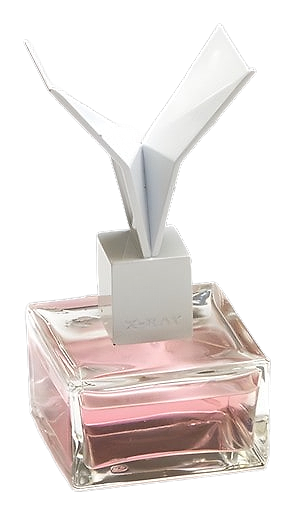
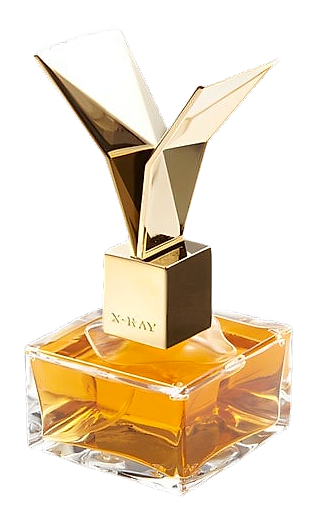
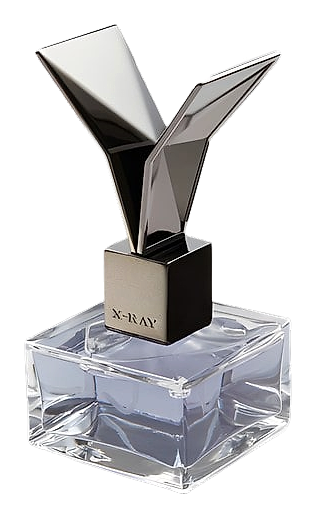
Morphine arrived in June 2012 as part of X-Ray's debut salvo, five fragrances launched simultaneously from a Paris-based collective of former medical imaging technicians and visual artists. The brand's core idea was simple: what if scent worked like an X-ray, revealing what lives beneath the surface? Morphine was the answer Irina Burlakova gave. Her brief: a fragrance that operates as both analgesic and addiction, the warmth you lean into, the hit you can't quite explain. The name wasn't metaphor. It was diagnosis.
The 1970s disco inspiration runs through the honey and cognac, the hedonistic excess of a New York that never slept and rarely sobered up. But the real technical distinction sits in the base: ambrette seed instead of conventional musk. Where most orientals close with a clean animalic, Morphine finishes warm, slightly nutty, and undeniably alive. It makes the drydown feel less like a fragrance and more like skin.
The evolution
The opening is an event. Cinnamon doesn't enter, it arrives. Within two minutes, the cardamom and clary sage have softened the edges enough that the lavender can breathe, but the top never fully apologizes. This is a fragrance that knows what it is. By the time you hit the heart, the honey has taken command. Cognac follows, rich and golden, with orris root adding a powdery floral lift that prevents the sweetness from collapsing into syrup. The rose is a cameo, present but not dominant. Then the base does what bases do: it settles. Leather and sandalwood form a woody chassis, patchouli adds earth, and the ambrette seed lingers like a secret kept too long. Eight to ten hours on most skin. The honey never fully disappears. By the next morning, what's left is warm, intimate, and entirely yours.
Cultural impact
Morphine arrived alongside four other debut fragrances in X-Ray's 2012 launch, each framed around a scientific concept. Morphine explored pleasure and dependency, a provocative brief that the warm spice and honeyed heart deliver without hedging. The fragrance has since earned a reputation for longevity and strong sillage, with the honey-cognac combination cited as both its defining draw and its most polarizing element. It's the kind of fragrance that sparks conversation, the sort people either wear on repeat or can't get past the opening twenty minutes. X-Ray's experimental approach has built a devoted following for pieces like this one, and Morphine remains a reference point for anyone exploring non-mainstream orientals.