The Story
Why it exists.
The beginning
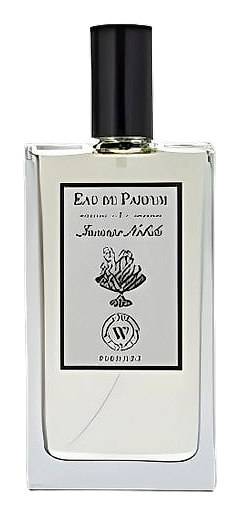
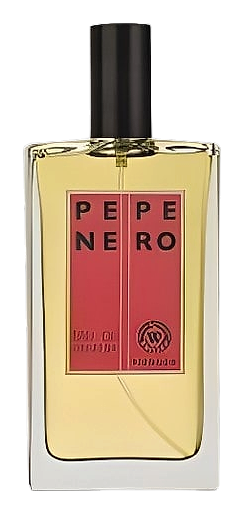
Pape Satàn arrived from Wally in 2015, carrying a name rooted in Dante's Inferno, where the seventh canto opens with the papal command “Papé Satàn, papé Satàn aleppe.” The reference gives the fragrance its dark, ceremonial charge without needing a literal story about fire. Wally's 2015 release places that mood against a clear modern structure: black pepper, allspice, red berries, caraway, Indonesian patchouli leaf, cedarwood, nutmeg, green bell pepper, and white musk. It is a composition for the moment spice stops sounding edible and starts sounding like atmosphere.
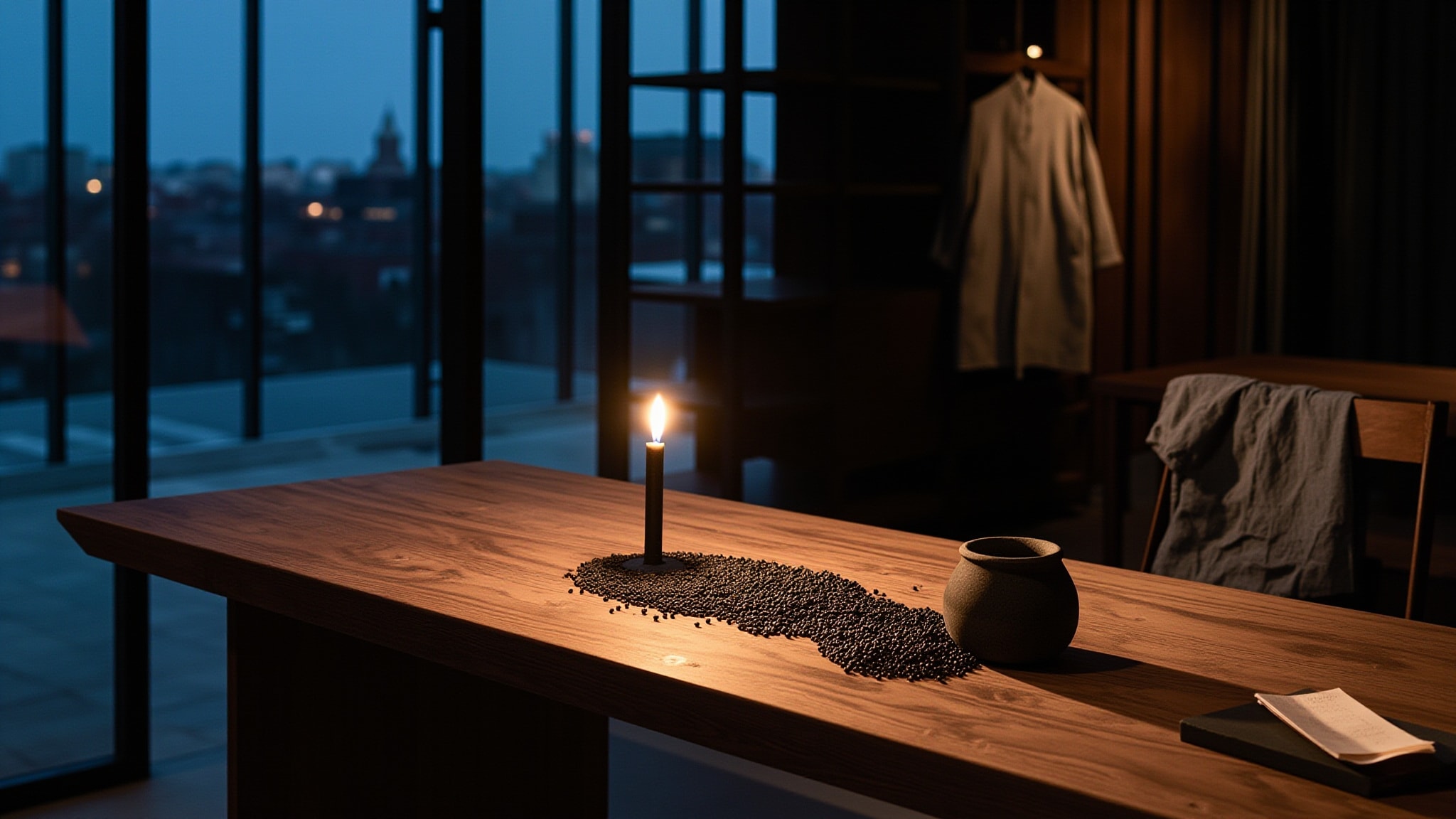
The striking part is the collision between brightness and weight. Black pepper, allspice, red berries, and caraway bring a lively, almost sparkling start. Indonesian patchouli leaf then pulls the composition down into earth, resin, and green texture, while cedarwood and nutmeg add a dry, woody warmth. Green bell pepper keeps the green thread alive in the base, preventing the darker materials from becoming heavy. White musk softens the finish, but it doesn't erase the bite.
The evolution
It begins with a quick, pepper-led lift. Red berries and caraway add flashes of fruit and dry spice, while allspice gives the opening a warm, slightly camphorated edge. As those notes settle, Indonesian patchouli leaf takes over, bringing a dense green-earthy weight that changes the fragrance's posture. Cedarwood and nutmeg make the middle feel drier and more constructed, like spice rubbed against wood. Green bell pepper adds a late vegetal snap, and white musk softens the finish without losing its woody pulse. The result is less like a clean aromatic and more like a dark, polished trail that can linger through much of a workday.
Cultural impact
Wally's position comes from a specific Italian textile-and-craft heritage rather than generic luxury language. Pape Satàn fits that frame through a dark literary name and a material-led composition of pepper, patchouli, cedar, and spice. Its strongest cultural reference is Dante's Inferno, giving the scent a memorable Italian literary register while keeping the effect grounded in contemporary woody perfumery.