
The Story
Why it exists.
The beginning
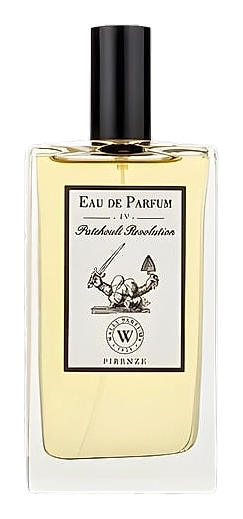
Patchouli Revolution is credited to perfumer Wally, but its release year and specific inspiration are not documented. What the notes do reveal is a deliberate swing between freshness and depth. Eucalyptus and green tea bring a brisk, aromatic snap, while allspice and rhubarb add heat and tartness. Patchouli then takes the composition into darker territory, joined by thyme and cardamom. The result feels less like a neat tribute to one material and more like a study in contrast, where cool air meets soil, smoke, and resin.
The unusual part is the handoff between top notes and heart. Eucalyptus can read sharp and medicinal, but green tea softens its edge, while rhubarb supplies a clean, tart brightness. Allspice keeps the opening from becoming too airy. Patchouli changes the temperature of the fragrance, bringing earthy depth and an almost smoky texture. Thyme and cardamom make that transition feel aromatic rather than flat, like herbs warmed in sunlight.
The evolution
It begins with a bright, almost minty lift from eucalyptus and green tea, sharpened by allspice and the clean tartness of rhubarb. That opening air gives way to patchouli, thyme, and cardamom, and the fragrance becomes darker, greener, more tactile. Patchouli remains the anchor. During the drydown, white amber, vanilla, and benzoin bring warmth and resinous sweetness, while vetiver keeps the base from turning overly plush. On skin, the final impression is earthy amber with a faint herbal edge, lingering through a workday and leaving a woody, patchouli-forward trace.
Cultural impact
Patchouli Revolution sits within Wally's broader move from home fragrance into fine perfumery. Its appeal comes from a familiar modern fragrance category, patchouli, reframed through a cool aromatic opening and a resinous, earthy base. For wearers, it offers a practical way to wear patchouli without making the whole composition feel heavy from the first breath.
The House
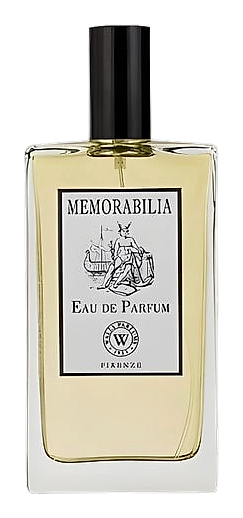
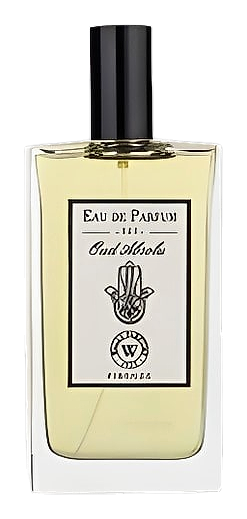
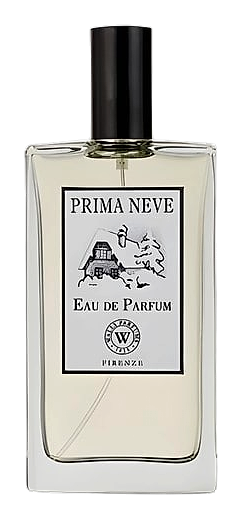
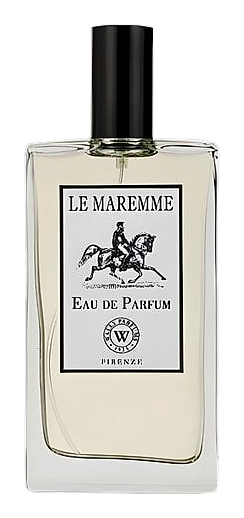
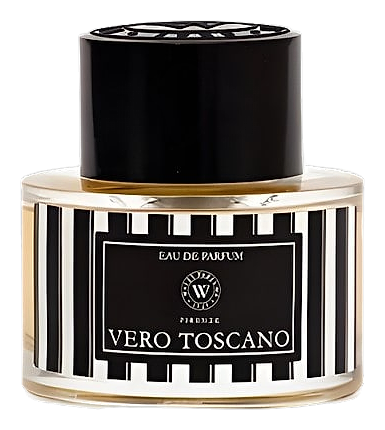
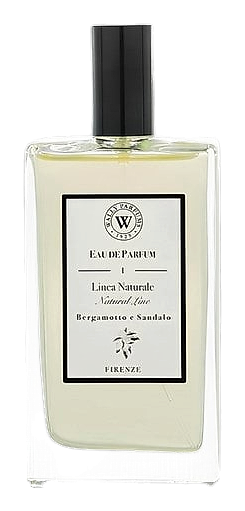
WallyWally is an Italian fragrance house rooted in the textile heartland of Tuscany. Founded in Prato in 1925, the brand began as an industrial chemical operation before evolving into a perfumery house that channels the sensory richness of its regional landscape. The swallow, a consistent emblem throughout Wally's history, symbolizes the brand's connection to Italian craftsmanship and tradition. Recent years have seen Wally expand from home fragrances into fine perfumery, releasing standalone scents such as Vero Toscano Bianco Eau de Parfum alongside signature collections that draw from Tuscan olfactory traditions. The brand captures the essence of its homeland through leather workshop memories, aromatic herbs, and resinous woods, translating regional identity into wearable fragrance narratives. Their 2024 Linea Naturale Bergamotto e Sandalo exemplifies this approach, incorporating ingredients that speak to the Italian peninsula's botanical heritage.
The Creator
WallyWally's hand at the organ is still being defined, but early signals suggest a preference for clean architectures with warm, humanist cores. The vocabulary leans toward the tactile: musks that feel skin-like rather than soapy, woods that carry resinous depth without tipping int…